


Premium Quality · Steam Distilled
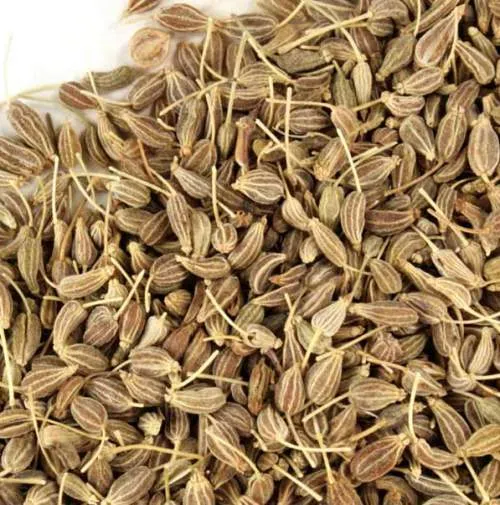
Aniseed Essential Oil is steam distilled from the dried seeds of Pimpinella anisum, a highly aromatic herb valued for its sweet, licorice-like fragrance and diverse therapeutic applications. Known for its warm, rich aroma and high anethole content, this oil has been used for centuries in traditional wellness practices, perfumery, flavoring, and personal care formulations.
At Kush Aroma Exports, a trusted essential oil manufacturer, we supply premium-quality Aniseed Essential Oil sourced from carefully selected seeds and processed through steam distillation to preserve its natural constituents and characteristic fragrance. Our oil is widely used in aromatherapy, cosmetics, soaps, oral care products, fragrances, and food flavoring applications.
Botanical Name: Pimpinella anisum
Family: Myrtaceae
Source: Seeds
Origin: Egypt
Processing Method: Steam Distillation
Color / Consistency: Colorless to pale yellow liquid with a characteristic licorice odor
Aroma: Rich, sweet, warm, and distinctly licorice-like
Aniseed Essential Oil possesses a sweet, spicy, and unmistakably licorice-like aroma. Its warm fragrance makes it a popular ingredient in perfumery, aromatherapy blends, oral care products, and flavoring applications.
Rose, Orange, Lavender, and various spicy essential oils.
Aniseed Essential Oil is often used interchangeably with Star Anise Oil due to their similar therapeutic characteristics and high trans-anethole content. It is frequently incorporated into diffuser and inhaler blends intended to support respiratory comfort during seasonal discomforts such as colds, flu, and bronchitis.
The oil is also traditionally associated with digestive wellness, lactation support, and menstrual health. Additionally, it has been used in insect-repellent formulations, particularly when blended with Sassafras and Carbolic oils. Its pleasant aroma makes it a valuable ingredient in soaps, cosmetics, perfumery, toothpaste, mouthwashes, beverages, and personal care products.
Aniseed has been valued since ancient times by Egyptian, Greek, and Roman civilizations. The Romans used it in a spiced cake known as mustaceus, while the Egyptians incorporated it into bread and medicinal preparations. Ancient Greeks appreciated anise for its soothing effects on the digestive system.
Today, aniseed remains popular worldwide. It is commonly used in liqueurs, cordials, toothpastes, and mouthwashes. In India, aniseed is often consumed as a natural breath freshener, while in Turkey it serves as a primary ingredient in the traditional alcoholic beverage known as raki.
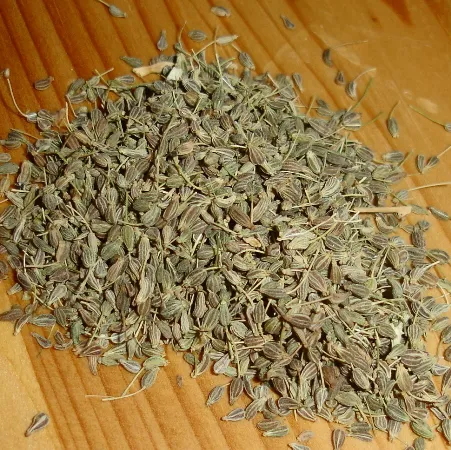
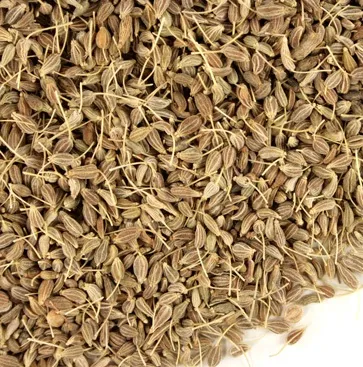
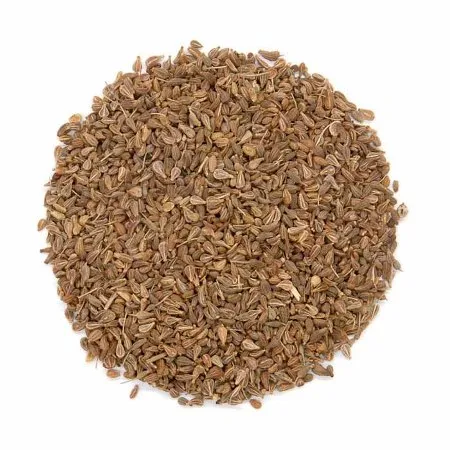
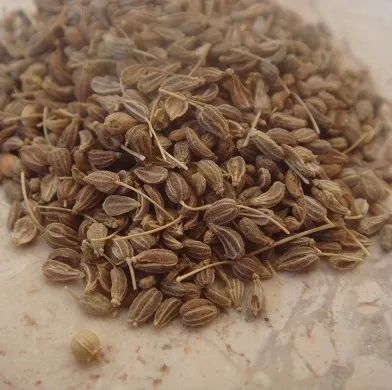
Aniseed Essential Oil is obtained through steam distillation of the dried fruits (seeds) of Pimpinella anisum. The resulting oil is thin, clear, and highly aromatic. Its primary constituent is anethole, which typically accounts for approximately 90% of the oil and is responsible for its characteristic sweet fragrance.
Additional naturally occurring constituents include alpha-pinene, beta-pinene, anisaldehyde, camphene, linalool, cis and trans-anethole, safrole, and acetoanisol. These compounds contribute to the oil's aromatic complexity and functional versatility.
In excessive quantities, Aniseed Essential Oil may exhibit narcotic effects and may slow respiration and circulation. It may cause skin irritation in sensitive individuals and should be used with caution. Avoid use during pregnancy, breastfeeding, and in individuals with estrogen-dependent medical conditions. Always dilute before topical application and consult a qualified healthcare professional when appropriate.
Kush Aroma Exports is a Government-recognized Star Export House and a trusted manufacturer, supplier, exporter, wholesaler, and essential oil manufacturer based in Kannauj, India. We offer premium-quality Aniseed Essential Oil in retail and bulk quantities with worldwide shipping and strict quality control standards.
100% Pure & Natural
Lab Tested Quality
Bulk & Retail Orders
Worldwide Shipping
| Constituent | Percentage |
|---|---|
| (E)-Anethole | 95.0% |
| Estragole | 4.4% |
| Hazards | Drug interaction; potentially carcinogenic based on estragole content; reproductive hormone modulation; may inhibit blood clotting. |
| Contraindications (All Routes) | Pregnancy, breastfeeding, endometriosis, estrogen-dependent cancers, children under 5 years of age. |
| Cautions (Oral) | Diabetes medication, anticoagulant medication, major surgery, peptic ulcer, hemophilia, and other bleeding disorders. |
| Maximum Adult Daily Oral Dose | 80 mg. |
| Maximum Dermal Use Level (EU) | No limit. |
| Maximum Dermal Use Level (IFRA) | 0.2%. |
| Maximum Dermal Use Level (Tisserand & Young) | 2.7%. |
| Recommendation | We recommend an oral maximum of 80 mg/day and a dermal maximum of 2.7%, based on 4.4% estragole with oral and dermal limits of 0.05 mg/kg/day and 0.12%. |
| IFRA Recommendation | Maximum dermal use level for estragole is 0.01% in leave-on or wash-off preparations for body and face. |
| Adverse Skin Reactions | No information found. (E)-Anethole is prone to oxidation, and its oxidation products may be skin sensitizing. |
| Cardiovascular Effects | (E)-Anethole inhibits platelet aggregation, an essential step in the blood clotting cascade. Similar oils have demonstrated blood glucose-lowering effects in animal studies. |
| Reproductive Toxicity | (E)-Anethole demonstrates estrogenic activity in laboratory studies and similar fennel preparations have shown estrogenic effects in humans. |
| Hepatotoxicity | No information found. High doses may affect liver metabolism; however, aromatherapy use levels are not considered a risk to humans. |
| Acute Toxicity | No information found. |
| Carcinogenic / Anticarcinogenic Potential | Estragole is a rodent carcinogen at sufficiently high oral exposure. (E)-Anethole is not considered a rodent carcinogen. |
| Comment | An estragole chemotype containing approximately 77.5% estragole exists but is not commercially available. |