


Premium Quality · Steam Distilled
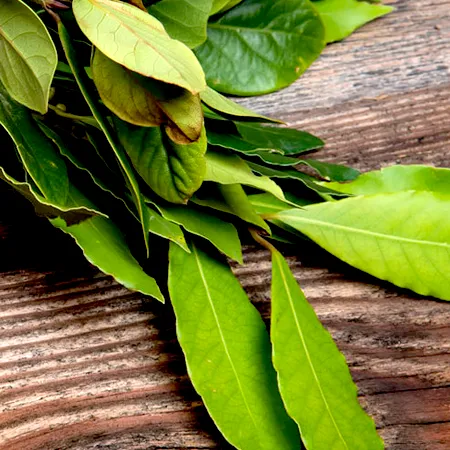
Bay Laurel Essential Oil is steam distilled from the leaves of Laurus nobilis, an evergreen aromatic tree prized for centuries for its culinary, medicinal, and ceremonial significance. Known for its fresh, spicy, herbaceous aroma, Bay Laurel Oil is widely used in aromatherapy, personal care formulations, wellness blends, and natural perfumery.
At Kush Aroma Exports, a trusted essential oil manufacturer, we supply premium-quality Bay Laurel Essential Oil carefully steam distilled from selected leaves to preserve its naturally occurring aromatic compounds and characteristic fresh-spicy fragrance.
Botanical Name: Laurus nobilis L.
Botanical Synonyms: Bay Leaf, Bay Laurel, Sweet Bay
Family: Lauraceae
Source: Leaves
Origin: Hungary
Processing Method: Steam Distillation
Color / Consistency: Pale yellow-green to orange-brown liquid with a thin consistency.
Bay Laurel Essential Oil possesses a fresh, spicy bay leaf aroma with herbaceous undertones and a strong top note. Its invigorating fragrance makes it a popular ingredient in aromatherapy blends and natural fragrance compositions.
Bergamot, Virginian Cedarwood, Eucalyptus, Fennel, Ginger, Orange, Patchouli, Rosemary, and Ylang-Ylang essential oils.
The therapeutic value of Bay Laurel Essential Oil is traditionally associated with its antiseptic, antibiotic, anti-neuralgic, antispasmodic, analgesic, aperitif, astringent, cholagogue, emmenagogue, febrifuge, insecticidal, sedative, stomachic, sudorific, and tonic properties.
The Bay tree has long been revered across different civilizations. Native to the Mediterranean region and cultivated worldwide, Bay Laurel has been used for centuries in traditional wellness practices, culinary applications, and ceremonial rituals.
This essential oil is obtained through steam distillation of fresh Bay Laurel leaves. Its primary constituents include 1,8-cineole, alpha-pinene, alpha-terpinyl acetate, linalool, beta-pinene, sabinene, methyleugenol, eugenol, and other naturally occurring aromatic compounds that contribute to its unique fragrance and properties.
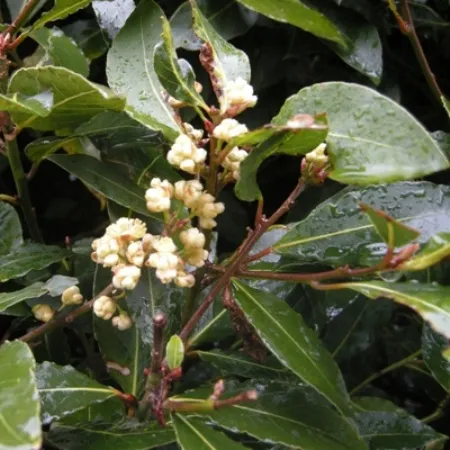
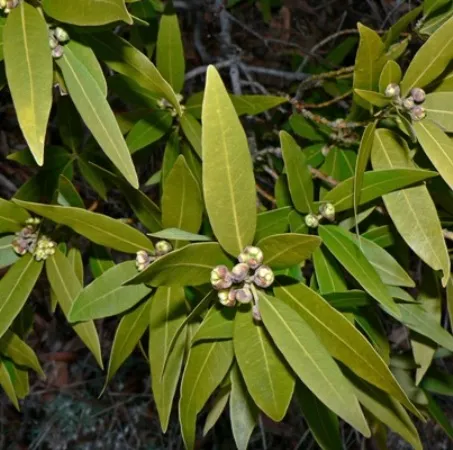
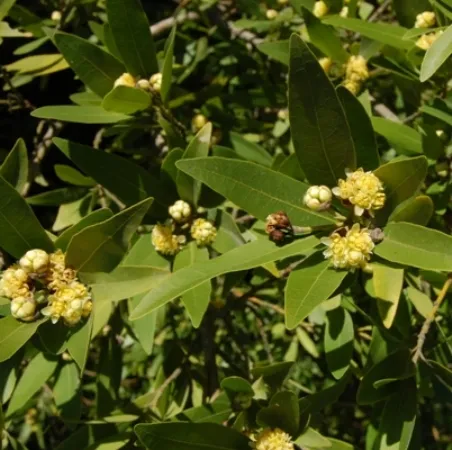
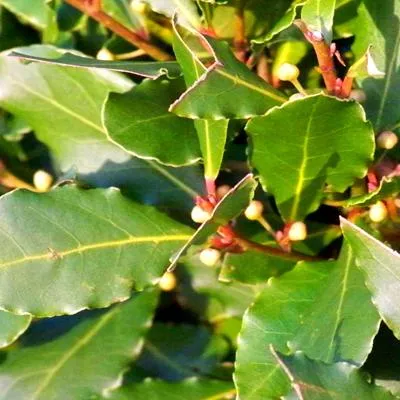
Bay Laurel is an evergreen tree capable of growing up to 20 meters in height, bearing glossy dark green leaves and black berries. The plant held great significance in Ancient Rome and Greece, where it symbolized wisdom, victory, protection, and peace.
The Latin word laudis, meaning "to praise," is associated with the laurel wreaths awarded to victors during the Olympic Games and other prestigious events. Throughout history, Bay Laurel has remained a symbol of achievement, honor, and distinction.
Bay Laurel is cultivated extensively in Mediterranean and temperate climates. The leaves are harvested at optimal maturity to ensure maximum aromatic quality.
Fresh leaves are subjected to steam distillation, a process that carefully extracts the volatile aromatic compounds while preserving the integrity of the oil. The resulting essential oil retains the characteristic fresh, spicy aroma that has made Bay Laurel a valued botanical for centuries.
Due to its naturally occurring eugenol and methyleugenol content, Bay Laurel Essential Oil may cause skin irritation in sensitive individuals. Always dilute before topical use and perform a patch test prior to application. Avoid contact with eyes and mucous membranes. Not recommended during pregnancy without professional guidance. For external use only.
Kush Aroma Exports is a Government-recognized Star Export House and a leading manufacturer, supplier, exporter, wholesaler, and essential oil manufacturer based in Kannauj, India. We offer premium-quality Bay Laurel Essential Oil in retail and bulk quantities, supported by rigorous quality control standards and worldwide shipping.
100% Pure & Natural
Lab Tested Quality
Bulk & Retail Orders
Worldwide Shipping
| Constituent | Percentage |
|---|---|
| 1,8-Cineole | 38.1–43.5% |
| α-Pinene | 7.1–15.9% |
| α-Terpinyl Acetate | 4.5–7.0% |
| Linalool | 6.2–6.5% |
| β-Pinene | 4.9–6.5% |
| Sabinene | 4.5–6.5% |
| Methyleugenol | 1.4–3.8% |
| Eugenol | 1.2–3.0% |
| Camphene | 0.7–2.9% |
| Linalyl Acetate | 0.4–2.7% |
| Bornyl Acetate | 0.4–2.3% |
| Terpinen-4-ol | 2.1–2.2% |
| α-Terpineol | 0.9–1.9% |
| β-Myrcene | 0.7–1.5% |
| Borneol | 0.1–1.5% |
| β-Caryophyllene | 0.1–1.5% |
| Terpinolene | 0.1–1.1% |
| γ-Terpinene | 0–1.0% |
| Hazards | Potentially carcinogenic based on methyleugenol content; high 1,8-cineole oils may cause CNS and breathing problems in young children; low risk of skin sensitization and mucous membrane irritation. |
| Dermal Cautions | Hypersensitive, diseased or damaged skin; children under 2 years of age. |
| Maximum Adult Daily Oral Dose | 18 mg. |
| EU Maximum Dermal Use Level | 0.005% |
| IFRA Maximum Dermal Use Level | 0.01% |
| Tisserand & Young Maximum Dermal Use Level | 0.5% |
| Recommended Limits | Dermal maximum 0.5%; oral maximum 18 mg. |
| Basis | Based on 3.8% methyleugenol content with dermal and oral limits of 0.02% and 0.01 mg/kg. |
| IFRA Recommendation | Maximum methyleugenol concentration of 0.0004% in leave-on products. |
| SCCNFP Recommendation | Maximum methyleugenol concentration of 0.0002%. |
| Adverse Skin Reactions | Generally non-irritating in human patch tests; moderate irritation observed in rabbits with undiluted oil. |
| Phototoxicity | Non-phototoxic. Bay leaf absolute may be phototoxic at concentrations above 10%. |
| Sensitization | Some Bay leaf oils may cause sensitization due to naturally occurring sesquiterpene lactones. |
| Acute Toxicity | Oral LD50 in rats: 3.95 g/kg; Dermal LD50 in rabbits: >5 g/kg. |
| CNS Effects | 1,8-Cineole may cause serious poisoning in young children if accidentally introduced into nasal passages. |
| Antioxidant Activity | Moderate antioxidant activity against DPPH radicals and lipid peroxidation. |
| Carcinogenic / Anticarcinogenic Potential | Methyleugenol is a rodent carcinogen at sufficiently high exposure levels. Bay leaf oil has demonstrated activity against certain cancer cell lines in vitro. |
| Sensitizing Constituents | Bay leaves contain sesquiterpene lactones including costunolide and deacetyl laurenobiolide. |
| Industry Considerations | Some fragrance houses restrict Bay Leaf Oil usage due to sensitization concerns. |
| Allergen Classification | Classified in German literature as Category A (significant contact allergen). |