Have you ever been confused by terms like “cold-pressed,” “expeller-pressed,” or “carrier oil” on a bottle? You’re not alone. In the world of natural wellness, these labels are crucial, yet often misunderstood. They signify not just what an oil is, but how it was made and why that matters for your skin and health.
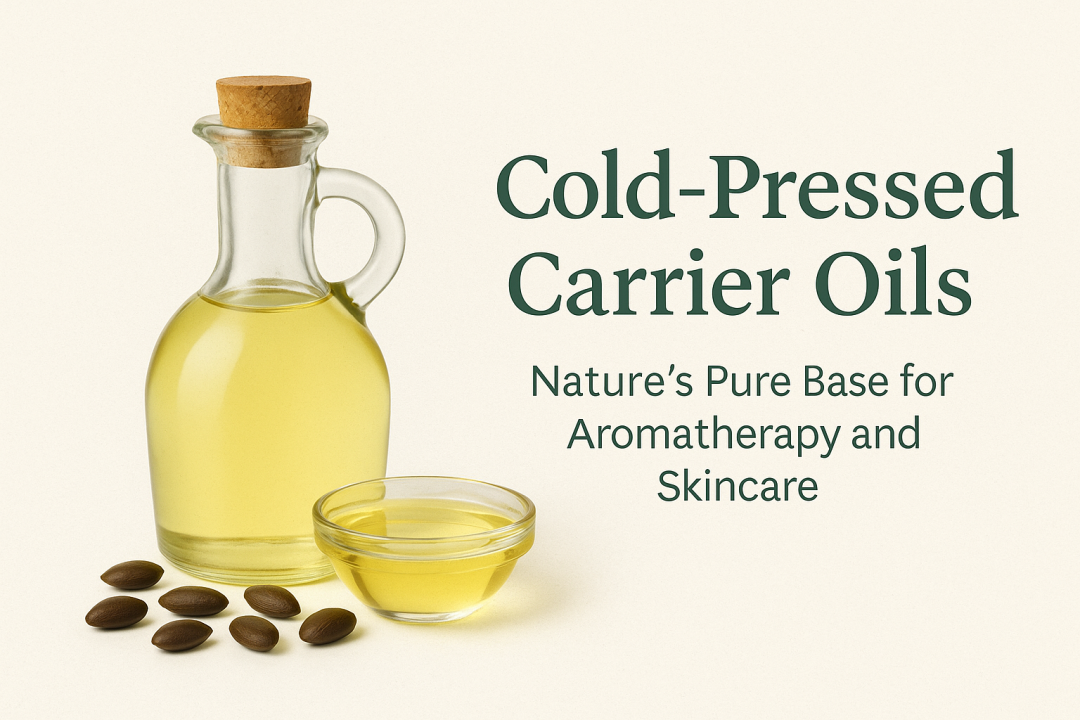
At its heart, a cold-pressed carrier oil is a two-fold promise of purity and purpose. It is a vegetable oil derived from seeds, nuts, or kernels, and it is extracted using a gentle, heat-controlled process that preserves its vital nutrients. This dual nature makes it the perfect, safe vehicle for potent essential oils and a powerhouse of nourishment on its own. Let’s explore what sets these oils apart and how to harness their benefits.
What is a cold-pressed carrier oil?
To truly appreciate these oils, it helps to separate the two key concepts: “carrier oil” and “cold-pressed.”
- Carrier Oil:
This term describes the oil’s function. Carrier oils, also known as base or fixed oils, are used to dilute concentrated essential oils before applying them to the skin. Essential oils are so potent that direct application can cause irritation, burning, or sensitization. A carrier oil safely “carries” the therapeutic essence onto and into your skin. Common examples include coconut, jojoba, sweet almond, and argan oil. - Cold-Pressed:
This term defines the extraction method. It means the oil was obtained by mechanically pressing the plant material without using external heat. The process must keep temperatures below 122°F (50°C) to protect delicate compounds.
Therefore, a cold-pressed carrier oil is a vegetable oil, gently extracted with minimal heat, making it ideal for diluting and applying essential oils. It’s the combination of a beneficial base and a pristine extraction process.
The Gentle Art of Extraction: Why “Cold-Pressed” Matters
The method used to squeeze oil from a seed or nut dramatically impacts its final quality. Unlike solvent extraction (which uses chemicals) or standard expeller pressing (which can generate significant heat), the cold-press method is about preservation.
Machines use a mechanical press or screw to physically crush the plant material. The key is careful control—through slower processing or cooling systems—to ensure friction doesn’t raise the temperature above the critical threshold. This low-temperature environment is what protects the oil’s natural profile:
- Preserved Nutrients: Heat can degrade vitamins, antioxidants, and essential fatty acids. Cold-pressing keeps these therapeutic properties intact.
- Natural Color and Scent: The oil retains its true, often vibrant color and a subtle, natural aroma from its source, unlike refined oils which are bleached and deodorized.
- No Chemical Residues: The process is entirely mechanical and chemical-free, resulting in a cleaner, purer oil.
While this method yields less oil than high-heat or chemical processes, the superior quality of the final product is unmistakable.
A Guide to Popular Cold-Pressed Carrier Oils and Their Benefits
Each carrier oil has a unique composition, offering special benefits for different skin types and concerns. Choosing the right one can elevate your skincare or carrier oil aromatherapy blend.
| Oil | Best For | Key Properties & Benefits |
|---|---|---|
| Jojoba Oil | All skin types, especially oily/acne-prone | Technically a liquid wax that closely mimics skin’s sebum. Balances oil production, is non-comedogenic, and absorbs easily. |
| Sweet Almond Oil | Dry, sensitive skin; hair & nail care | Lightweight, rich in Vitamin E and fatty acids. Soothes and moisturizes skin, strengthens hair and nails. |
| Rosehip Oil | Aging, scarred, or sun-damaged skin | High in Vitamins A and C (natural retinoids & antioxidants). Known to improve skin texture, reduce scars and fine lines. |
| Coconut Oil | Very dry skin, hair conditioning, soap making | Deeply moisturizing and rich in lauric acid. Excellent emollient, though can be comedogenic for some facial skin. |
| Argan Oil | Hair frizz, dry skin, anti-aging | Nutrient-dense with high Vitamin E and antioxidants. Nourishes hair, moisturizes skin, and improves elasticity. |
| Grapeseed Oil | Oily skin, massage blends | Light, neutral scent, and highly absorbable. Contains linoleic acid and has astringent properties. |
The Heart of Aromatherapy: Practical Uses and Blending
In practice, cold-pressed carrier oils are the indispensable foundation of safe and effective aromatherapy. They transform potent essential oils from shelf items into safe topical applications.
Primary Uses:
- Massage Therapy: Provides the necessary slip for massage while delivering essential oil benefits to the body.
- Skincare Serums & Moisturizers: Used as a base for facial oils, body lotions, and balms.
- Hair Treatments: Nourishes the scalp and conditions hair strands, either alone or infused with essential oils.
Safe Dilution is Key: Always dilute essential oils in a carrier oil before skin application. A common safe starting guideline for adults is a 2.5% dilution: about 15 drops of essential oil per 6 teaspoons (30 mL) of carrier oil. For children, sensitive skin, or facial use, dilutions of 0.5%-1% are recommended.
Performing a Patch Test: Before using any new oil blend, do a patch test. Apply a small amount to your inner forearm, cover with a bandage, and check for irritation after 24 hours.
Choosing Quality and Embracing Nature’s Base
The growing demand for pure, natural oils has led to a rise in reputable carrier oil manufacturers in India and globally, who specialize in cold-pressed, organic products. When sourcing oils, look for terms like “cold-pressed,” “unrefined,” and “100% pure.” Oils should be stored in dark glass bottles away from heat and light to maintain their shelf life.
Conclusion: A Simple Choice for Pure Wellness
Cold-pressed carrier oils represent a beautiful synergy between nature and mindful processing. They are more than just a simple base; they are nutrient-rich, therapeutic agents in their own right, amplified by their ability to safely deliver the power of essential oils.
By understanding the importance of the cold-pressed method and the unique virtues of oils like jojoba, rosehip, and almond, you can make informed choices for your natural wellness rituals. Whether you’re crafting a calming aromatherapy blend, a nourishing face serum, or a repairing hair mask, beginning with a pure, cold-pressed carrier oil ensures you’re building your regimen on a foundation of quality and integrity.
FAQs: Cold Pressed Carrier Oils
Q1: What is the main difference between cold-pressed and refined carrier oils?
The core difference lies in processing and nutrient preservation. Cold-pressed oils are extracted mechanically with minimal heat (<122°F/50°C), preserving their natural vitamins, antioxidants, color, and aroma. Refined oils undergo high-heat processing and often chemical treatments, which strip away much of the natural nutrients and scent to create a neutral, shelf-stable oil. For therapeutic and skincare use, cold-pressed is superior.
Q2: Can I use cold-pressed carrier oils directly on my skin without essential oils?
Absolutely. Cold-pressed carrier oils are nutrient-rich emollients and are perfectly safe and beneficial to use alone. For example, jojoba oil can balance oily skin, sweet almond oil can soothe dryness, and rosehip oil can be applied directly to scars or fine lines.
Q3: How do I store cold-pressed carrier oils to make them last longer?
To maximize shelf life (typically 6-24 months depending on the oil), store them in a cool, dark place away from direct sunlight and heat. Always keep the cap tightly sealed. Oils high in polyunsaturated fats (like rosehip or grapeseed) are more delicate and may benefit from refrigeration.
Q4: Are all carrier oils suitable for the face?
No, the suitability depends on your skin type. Lightweight, non-comedogenic oils like jojoba, grapeseed, or argan oil are excellent for most face types, including oily or acne-prone skin. Heavier oils like coconut oil (which is comedogenic for many) are better suited for body or hair use. Always patch-test a new oil on a small area of your skin first.
Q5: Why is sourcing important, and what should I look for in quality carrier oil manufacturers, especially in India?
Sourcing is critical to ensure purity and ethical production. When looking at carrier oil manufacturers in India or elsewhere, prioritize those who:
- Specify “100% Pure, Cold-Pressed, Unrefined.”
- Offer organic or certified options, ensuring no pesticides were used.
- Use dark glass bottles for packaging.
- Provide transparent information about their extraction process and sourcing.
Q6: Can I use cooking oils like cold-pressed olive oil for aromatherapy?
While food-grade cold-pressed oils are purer than refined cooking oils, they are not always optimized for skincare. Oils meant for carrier oil aromatherapy and skincare are often processed in more controlled environments and may have a longer cosmetic shelf life. It’s generally best to use oils specifically labeled for cosmetic/therapeutic use.