
Browsing Category

Uncategorized

Close-up of essential oil bottles on a wooden surface showing how to know if an essential oil is pure
Uncategorized

How to Know if an Essential Oil is Pure: Spot Fake Products Before You Buy

The essential oil market is booming – but not every bottle on the shelf deserves your trust. If you have ever wondered how to know if an essential oil is pure, you are not alone. Millions of buyers get misled every year by products labelled ‘100% pure’ that contain synthetic additives, carrier oils, or diluted plant extracts. 

Understanding what is pure essential oil, and how to verify it, can save you money and protect your health. In this guide, you will learn the key signs of quality essential oils, simple at-home purity tests, and what to look for when you buy. 

What Is Pure Essential Oil? Understanding the Basics 

A pure essential oil is a concentrated, undiluted extract drawn from a single plant source. It contains only the natural volatile compounds from that plant, nothing added, nothing removed. 

This is what separates real essential oils from fragrance oils or blended products. Fragrance oils are synthetically made in a lab. They may smell similar to plant extracts, but they offer none of the therapeutic benefits. 

The essential oils’ meaning goes beyond just scent. These oils are used in aromatherapy, skincare, and wellness routines because of their complex chemical profiles. Dilute them, mix them with cheap fillers, or expose them to heat during production and those benefits vanish. 

Essential Oil vs Pure Oil: Is There a Difference? 

Yes, and this is a point of confusion for many shoppers. The difference between essential oil and pure oil comes down to processing and composition: 

  • Essential oil: Extracted from plant material via steam distillation, cold pressing, or CO₂ extraction. It captures the plant’s volatile aromatic compounds. 
  • Pure oil: A broader term that can refer to carrier oils like coconut or jojoba. These are fatty, non-volatile oils used to dilute essential oils. 
  • Are all essential oils the same? No. Quality, purity, and potency vary hugely by brand, sourcing, and testing standards. 

Knowing what is pure oil versus what is an essential oil helps you read labels with far more confidence. 

Why Purity Matters: The Risk of Fake Essential Oils 

Low-quality or adulterated oils can cause skin irritation, allergic reactions, or simply do nothing at all. Worse, fake products mean you are paying premium prices for something that is mostly synthetic filler. 

The best quality essential oils undergo rigorous testing. Many lesser brands skip this entirely. That is why knowing which essential oil brands to avoid, or at least, which red flags to watch for is so important. 

The FDA does not regulate essential oils as medicines. This means companies can make broad claims without backing them up. As a buyer, the responsibility of verifying purity falls on you. 

How to Know if an Essential Oil is Pure: 7 Key Tests and Checks 

Here are the most reliable ways to assess purity essential oils, from expert-level lab reports to simple at-home tricks. 

1. Look for GC/MS Testing 

Gas Chromatography/Mass Spectrometry (GC/MS) is the gold standard for essential oil purity testing. This lab process identifies every chemical compound in an oil and flags any adulterants. 

Reputable brands that sell all natural essential oils make GC/MS reports publicly available often per batch. If a company does not share these reports, that is a major red flag. 

  • Ask the brand: ‘Can I see the GC/MS report for this batch?’ 
  • Check if the report is signed by a qualified chemist. 
  • Third-party testing (not done in-house) adds an extra layer of credibility. 

2. Do the Paper Blotter Test 

This is one of the easiest at-home essential oil purity tests you can do right now. 

  • Place one drop of the oil onto white blotter paper or a coffee filter. 
  • Let it dry completely – usually 30 to 60 minutes. 
  • A pure essential oil should evaporate cleanly, leaving little to no residue. 
  • If it leaves an oily ring or stain, it has likely been mixed with a carrier oil. 

Note: some heavier oils like sandalwood or vetiver naturally leave a slight mark. However, a large, greasy stain is a clear warning sign. 

3. Check the Bottle and Labelling 

Quality essential oils should always be sold in dark amber or cobalt glass bottles. Light and plastic degrade the oil. Check the label for: 

  • Botanical (Latin) name of the plant (e.g., Lavandula angustifolia) 
  • Country of origin 
  • Extraction method (steam distillation, cold press, CO₂) 
  • Batch or lot number for traceability 
  • Net volume and concentration (100% pure or diluted) 

Missing any of these? That brand may not be prioritising transparency and transparency is the foundation of best aromatherapy oils. 

4. Smell It – But Know the Limits 

Scent can tell you something, but it is not a reliable standalone test. A skilled aromatherapist can detect adulteration by smell alone. For most buyers, though, this takes years of training. 

What you can do: compare the scent against a trusted reference oil. If lavender smells overly sweet or synthetic, if peppermint has no cool bite, something is likely off. 

5. Assess the Price 

If you are wondering what the best place to buy essential oils is, price is a useful filter. Quality essential oils are expensive to produce. Rose otto, for instance, requires thousands of petals for a single millilitre. 

  • Suspiciously cheap ‘pure’ oils are almost always diluted or synthetic. 
  • On the flip side, the most expensive brand is not automatically the best. 
  • Look for brands that justify their prices through sourcing transparency and lab testing. 

6. Check for Third-Party Certifications 

Certifications do not guarantee purity on their own, but they show a brand is held accountable by an outside body. Look for: 

  • Organic certifications (USDA, Soil Association, ECOCERT) 
  • ISO standards for quality management 
  • Cruelty-free or fair trade sourcing badges 

These signals point to brands that invest in quality and ethical production — both markers of the best essential oil sources. 

7. Research the Brand’s Sourcing Practices 

Where and how a plant is grown affects the final oil’s chemistry. The best quality essential oils come from plants grown in their natural native habitat – Bulgarian lavender, Moroccan rose, Sri Lankan cinnamon. 

A transparent brand will tell you exactly where each oil is sourced. If a brand’s website says nothing about this, look elsewhere. 

Red Flags: Essential Oil Brands to Avoid 

Not all brands are worth your money. Watch out for these warning signs: 

  • No GC/MS testing or no published results 
  • Identical pricing across all oils (rose and lavender should not cost the same) 
  • Vague labels with no Latin botanical name or country of origin 
  • Selling oils in clear plastic or plastic-lined bottles 
  • Aggressive health claims with no scientific backing 
  • No batch numbers or lot codes for traceability 

These are the hallmarks of brands that prioritise marketing over product integrity. When in doubt, choose a company whose testing documentation you can actually read. 

Where Is the Best Place to Buy Essential Oils? 

The best place to buy essential oils depends on your priorities – price, variety, or certification. Here are the most reliable options: 

  • Specialist aromatherapy retailers: These often carry full GC/MS reports and batch-specific details. 
  • Direct-from-distiller brands: Buying closer to the source reduces the chance of adulteration. 
  • Well-known health retailers with strong return policies: If an oil fails a purity test at home, you can return it. 
  • Avoid: general marketplaces with no brand control, discount shops, and unlabelled bulk oils. 

Always prioritise brands that publish their testing data openly. This is the single most reliable indicator of purity essential oils. 

Are All Essential Oils the Same? The Truth About Quality Tiers 

The short answer is no. Quality varies enormously across the market. Here is a simple breakdown: 

Tier What It Means What to Expect 
Therapeutic Grade Marketing term — not regulated Verify with GC/MS data 
Organic Certified Third-party certified growing practices Reliable — check the certifier 
Food Grade Meets food safety standards High purity, often well-tested 
Fragrance Grade May contain synthetic compounds Not suitable for therapeutic use 

Therapeutic grade’ is the most misunderstood label in the industry. There is no independent body that awards this status. Any brand can print it on a label. Focus on lab data, not marketing language. 

Also read: Essential Oils Scam Alert: How to Spot Pure vs Fake Oils (Expert Guide) 

Frequently Asked Questions 

Q1: How do I know if essential oils are pure at home without a lab? 

The paper blotter test is your best at-home option. Drop one drop on white paper. If it evaporates without leaving a residue, that is a good sign. Also check the label for botanical names, extraction method, and batch codes. Brands that publish GC/MS reports are far more trustworthy than those that do not. 

Q2: What is the difference between essential oil and pure oil? 

An essential oil is a steam-distilled or cold-pressed volatile extract from a plant. A pure oil in the carrier oil sense is a non-volatile fatty oil like jojoba or sweet almond oil. These two are often combined in skincare but are fundamentally different things. 

Q3: Are cheap essential oils always bad? 

Not necessarily – but extreme low prices for typically expensive oils (like rose or neroli) are a strong warning sign. Some oils, like eucalyptus or tea tree, are genuinely affordable even at high quality. Price alone is not the test lab reports are. 

Q4: What does an essential oil purity test involve? 

Professionally, a GC/MS test analyses the chemical fingerprint of an oil and compares it against a known standard. At home, you can try the blotter test, check for oiliness, compare the scent to a reference, and research the brand’s third-party certifications. 

Q5: Can I trust ‘all natural’ or ‘100% pure’ claims on labels? 

Not automatically. These terms are not regulated in most countries. Always look past the marketing and check for GC/MS documentation, organic certification, or third-party testing. Transparency from the brand is far more reassuring than any label claim. 
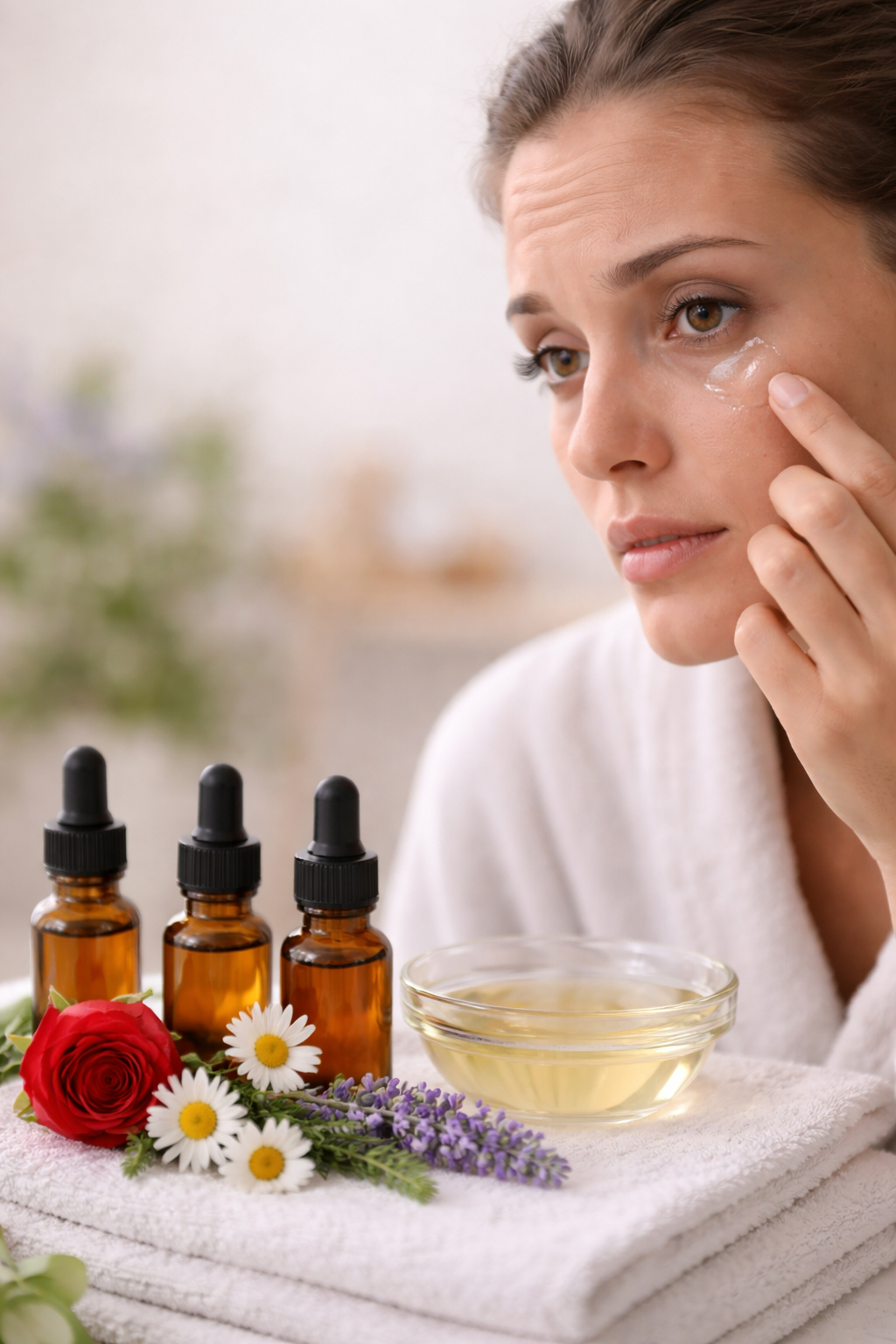
Woman applying essential oil for eye bags under her eyes with natural oils and flowers in a calm skincare setting.
Uncategorized

Essential Oil for Eye Bags: Safe & Natural Guide

Essential oils have compounds that can improve circulation and firm the thin skin under your eyes. For example, rose and chamomile oils hydrate and calm tired under-eye skin. However, the eye area is extremely sensitive. Never apply undiluted oil to your eyes. Always dilute oils first: mix 1–2 drops of essential oil (rose, chamomile, etc.) into a teaspoon of carrier oil (almond, jojoba, or coconut) before use. This gentle blend can then be tapped carefully along the lower eyelid, avoiding the eyelid itself. These oils are popular natural remedies for reducing under-eye puffiness and dark circles when used safely.

Under-eye bags often form from fluid build up or sagging tissue. Lack of sleep, high salt intake, allergies, or dehydration can cause watery puffiness, especially after lying down. In contrast, fatty bags develop gradually: collagen and elastin degrade with age, and underlying fat pads shift downward. In short, aging and lifestyle factors both play a role. Because the skin under our eyes is thinner than elsewhere, it shows these changes quickly. Improving habits is key: drink plenty of water, sleep 7–8 hours, reduce salt, and treat allergies to help diminish bags.

Best Essential Oils for Under-Eye Bags and Dark Circles

Try gentle, soothing oils with a history of use on the delicate eye area. Below are some top choices and why people use them:

  • Cypress Essential Oil – A natural diuretic and astringent, cypress helps drain excess fluid and tighten sagging skin. This can reduce the swollen look of puffy eyes.
  • Geranium Essential Oil – Geranium is also a mild diuretic and astringent. It firms skin and calms irritation, making it popular for under-eye puffiness.
  • Frankincense Essential Oil – With strong anti-inflammatory properties, frankincense supports lymphatic drainage. It can reduce swelling and promote cell regeneration to smooth fine lines.
  • Chamomile Essential Oil – Chamomile is anti-inflammatory and soothing. It can gently reduce redness and swelling in the under-eye area. Use German or Roman chamomile diluted in a carrier oil.
  • Rose Essential Oil – Rose oil is deeply hydrating and refreshing. It nourishes very dry, mature skin around the eyes, which may help fade dark circles by improving skin tone.
  • Sweet Almond Oil (Carrier) – Rich in vitamins and oleic acid, sweet almond oil is an excellent carrier for under-eye blends. It alone reduces puffiness and nourishes the skin, and safely dilutes stronger oils.
  • Eucalyptus Essential Oil – Eucalyptus has decongestant benefits and can temporarily reduce swelling. However, it is potent and may irritate eyes, so use very sparingly or skip it if you have sensitive skin.
  • Sandalwood Essential Oil Sandalwood essential oil is known for its soothing and hydrating properties. It helps calm the delicate under-eye area while improving skin texture over time. Its anti-inflammatory nature may reduce puffiness and support a more even skin tone. When diluted properly, sandalwood oil can be gently applied around the orbital bone to promote a refreshed and relaxed appearance.

You can also read: https://www.kusharomaexports.com/blog/sandalwood-essential-oil-uses/

You can also read: https://www.kusharomaexports.com/blog/essential-oils-for-dark-circles/

Many people add oils like rose or chamomile to their nightly routine for calmer under-eye skin. These gentle oils are often recommended because they are soothing and nourishing. For example, one aromatherapy guide notes that “rose and chamomile are often chosen” for use around the eyes because they are so calming. When diluted properly, these oils can provide natural hydration and may gradually improve the look of under-eye bags and dark circles.

How to Apply and Use Safely

Always apply essential oils at the outer orbital bone, not directly on the eyelid or in the eye itself. A common technique is to use your ring finger to lightly tap (not rub) the diluted oil under the eye. For safety: dilute and patch-test. As one expert advises, “under any circumstances, always dilute them with a carrier oil first” before facial use. The same guide warns never to drop oil in the eye because it “is ALWAYS a bad idea” to put essential oils in your eyes. The Tisserand Institute concurs: undiluted oils on the eyes can cause chemical burns. Instead, a safe blend might be just 1–2 drops of essential oil mixed into 5–10 drops of carrier oil.

To prepare a gentle under-eye serum, use a dropper or pipette: add one drop of essential oil to about a teaspoon of a carrier. In fact, lab research shows that as dilution increases, the risk of side effects (like hormonal activity) drops significantly. After mixing, wait a few minutes, then apply the blend to your skin. If you have sensitive skin, try the blend on your inner wrist first and wait 24 hours to check for irritation. Also, perform this routine at night before bed so the skin can absorb the oils while you rest. Avoid daytime sun exposure on treated skin if using any citrus-scented oils (which can increase sun sensitivity).

If you accidentally get oil in your eye, flush it out immediately. A useful tip from a DIY skincare guide is to rinse with a carrier oil or even milk, rather than water, to effectively wash out the essential oil and soothe the burn.

Additional Tips and Precautions

  • Dilution is crucial: Even “gentle” oils like lavender or chamomile can cause irritation if too strong. Studies note that some oils (lavender, tea tree, etc.) can trigger contact dermatitis in rare cases. Keep your eye-area dilution very low (often 1% or less).
  • Temperature: Cool compresses (cold spoons or tea bags) can temporarily shrink puffiness. Use these before or after oil application to boost results.
  • Lifestyle First: Oils are helpful, but daily habits matter most. Stay well-hydrated and get adequate sleep. Experts recommend limiting sodium and alcohol to reduce fluid retention. In short, try to reduce known triggers like allergies and stress to prevent bags from forming.
  • Gentle Massage: A light upward massage toward the temples can help lymphatic drainage. Do this slowly with oil for no more than a minute or two each time.
  • Beware Photosensitive Oils: Avoid applying citrus oils (lemon, lime, orange) near the eyes during the day, as these can cause sunburn and even worsen dark circles.
  • When to See a Doctor: If under-eye swelling is severe, persistent, or accompanied by pain/redness, consult a physician. Essential oils are for cosmetic improvement only, not medical treatment.

Frequently Asked Questions

Q1: Can dehydration cause eye bags?
A: Yes. Dehydration can make your body hold onto water, which shows up as puffiness. Experts note that not drinking enough water may actually cause fluid to pool under your eyes. Staying well-hydrated helps your body flush out excess fluid and can reduce morning eye bags.

Q2: What essential oils are good for dark circles under eyes?
A: Very gentle oils are best. Rose and chamomile oils are often used for dark under-eye circles because they are soothing and nourishing. When diluted in a carrier, these oils can be applied nightly to help hydrate and calm the skin around your eyes.

Q3: How can I quickly reduce puffiness under eyes?
A: First, try simple fixes: get more sleep, drink water, and cut down on salt. Cold compresses (cucumber slices, iced spoons) on closed eyes for 10 minutes can also shrink swelling. Some people add a drop of diluted essential oil to a cold compress (e.g. a chamomile tea bag) or apply a gentle eye serum before bed. As one aromatherapy guide says, better sleep, hydration, and low-salt meals are the most effective steps, though diluted oils can support skin health.

Q4: What if essential oil gets in my eye?
A: Flush the eye immediately. Rinse with a gentle carrier oil (almond or jojoba) or even milk to dilute and wash out the essential oil. Water alone can spread the oil and worsen irritation, so using another oil or fat helps remove it. If redness or pain persists, seek medical help.

Q5: Can witch hazel help reduce dark circles?
A: Witch hazel is an astringent, not an essential oil, but it’s commonly used for dark circles. It constricts tiny blood vessels under the eyes, which can reduce puffiness and lighten dark shadows. You can dab a cotton pad soaked in pure witch hazel around your eyes (avoiding direct contact with the eye) for a few minutes to tighten skin and brighten the area.

With the right oils and care, you can naturally improve under-eye bags over time. Always prioritize safety: dilute oils, avoid getting them in your eyes, and address lifestyle factors like sleep and hydration. Ready to refresh your eyes? Browse Kush Aroma Exports’ pure essential oils and carrier oils (like almond, chamomile, and rose) to create a soothing nightly ritual. Try these tips consistently, and enjoy brighter, firmer under-eyes!

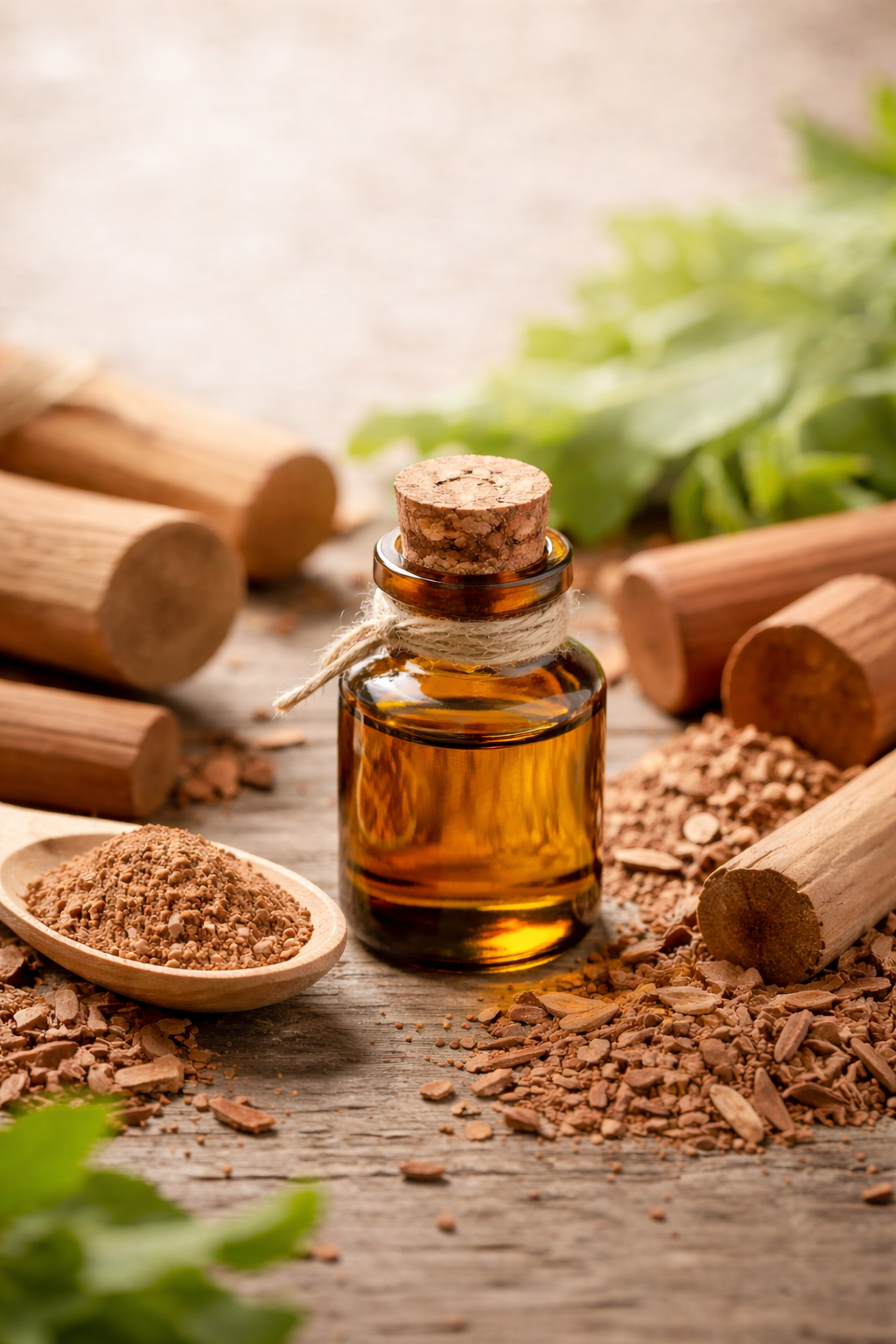
Sandalwood essential oil bottle with sandalwood powder and wood pieces on a rustic table
Uncategorized

Sandalwood Essential Oil Uses: A Complete Guide for Beginners

Sandalwood essential oil uses have been valued for centuries in skincare, aromatherapy, and natural wellness. Known for its rich, woody aroma, this essential oil is widely used for relaxation, skin care, and holistic health.

For beginners, sandalwood essential oil can feel mysterious. But once you understand its uses and benefits, it becomes one of the most versatile oils you can keep in your natural care routine.

In this guide, you will learn the most popular sandalwood essential oil uses, how to use it safely, and simple DIY ideas you can try at home.

What is Sandalwood Essential Oil?

Sandalwood essential oil is extracted from the wood of the sandalwood tree, mainly Santalum album. The oil is usually obtained through steam distillation of the heartwood. This oil has a warm, creamy, and woody fragrance that is often used in perfumes, meditation rituals, skincare products, and aromatherapy.

Sandalwood oil contains natural compounds called santalols, which give it soothing and skin-supporting properties. Because of these compounds, sandalwood oil is often used for calming the mind and improving skin health.

Top Sandalwood Essential Oil Uses

Here are the most common sandalwood essential oil uses beginners should know.

1. Sandalwood Essential Oil Uses for Skin Care

One of the most popular sandalwood essential oil uses is for natural skincare.

The oil is known for its soothing and moisturizing properties. It can help calm irritated skin and support a healthy complexion.

Benefits for skin include:

  • Helps soothe dry skin
  • Supports a smoother skin texture
  • May reduce the appearance of blemishes
  • Helps calm redness and irritation

To use it, mix 2–3 drops of sandalwood oil with a carrier oil like jojoba or almond oil and gently apply to the skin.

Many skincare brands also use sandalwood oil in face serums and creams because of its nourishing properties.

2. Sandalwood Essential Oil Uses for Acne

Another important benefit is its potential role in managing acne.

Sandalwood oil contains compounds that may help cleanse the skin and reduce the buildup of impurities that can lead to breakouts.

Simple acne treatment:

  1. Mix 2 drops sandalwood oil with 1 teaspoon aloe vera gel
  2. Apply to acne spots
  3. Leave for 15 minutes and rinse

This natural remedy may help calm irritated skin while keeping pores clean.

3. Sandalwood Essential Oil Uses for Hair Care

Sandalwood oil is also useful for improving scalp health.

Many people use it to reduce dryness, dandruff, and scalp irritation.

Hair benefits may include:

  • Helps moisturize the scalp
  • Supports stronger hair roots
  • Helps reduce dryness and flakiness
  • Improves hair texture

DIY hair oil:

Mix:

  • 1 tablespoon coconut oil
  • 3 drops sandalwood essential oil

Massage into the scalp and leave for 30 minutes before washing.

4. Sandalwood Essential Oil Uses in Aromatherapy

Aromatherapy is another major reason people love sandalwood oil.

Its grounding scent helps create a calm and peaceful environment.

Many people diffuse sandalwood oil to:

  • Reduce stress
  • Improve focus
  • Support meditation
  • Promote relaxation

To use it in a diffuser:

Add 3–4 drops of sandalwood oil to your diffuser with water and enjoy its calming aroma.

This is one of the easiest sandalwood essential oil uses beginners can try.

5. Sandalwood Essential Oil Uses for Better Sleep

If you struggle with restless nights, sandalwood oil may help create a relaxing bedtime routine.

Its calming aroma can help quiet the mind and prepare the body for sleep.

Ways to use it:

  • Diffuse sandalwood oil before bedtime
  • Add a few drops to a pillow spray
  • Mix with lavender oil for a relaxing blend

The warm scent helps create a peaceful sleep environment.

6. Sandalwood Essential Oil Uses for Natural Perfume

Sandalwood oil is widely used in luxury perfumes because of its deep, long-lasting fragrance.

It works as a base note, which means it helps perfumes last longer.

Simple natural perfume recipe:

Mix:

  • 5 drops sandalwood oil
  • 3 drops vanilla oil
  • 2 drops rose oil
  • 10 ml carrier oil

Apply lightly to wrists or neck.

This creates a soft, warm natural fragrance.

How to Use Sandalwood Essential Oil Safely

Essential oils are powerful, so proper use is important.

Follow these basic safety tips:

Always Dilute

Never apply sandalwood oil directly to the skin. Always mix it with a carrier oil.

Recommended dilution:

  • Face: 1% dilution
  • Body: 2% dilution

Do a Patch Test

Apply a small diluted amount to your wrist and wait 24 hours to check for skin reactions.

Avoid Contact with Eyes

Keep essential oils away from sensitive areas like eyes and inside the nose.

Consult a Professional

If you are pregnant or nursing, it is important to take extra precautions when using essential oils. Additionally, if you have any medical conditions, you should consult a healthcare professional before use. This ensures that essential oils are used safely and appropriately for your situation.

DIY Recipes Using Sandalwood Essential Oil

Here are a few beginner-friendly recipes.

Sandalwood Face Glow Serum

Ingredients:

  • 1 tablespoon jojoba oil
  • 2 drops sandalwood essential oil
  • 1 drop frankincense oil

Apply a few drops to the face at night.

This blend may help keep skin soft and hydrated.

Sandalwood Relaxation Bath

Add:

  • 5 drops sandalwood oil
  • 1 tablespoon carrier oil

Mix into warm bath water.

This helps create a relaxing spa-like experience at home.

Sandalwood Meditation Diffuser Blend

Add to diffuser:

  • 3 drops sandalwood oil
  • 2 drops frankincense oil
  • 1 drop orange oil

This blend is great for yoga, meditation, or quiet relaxation.

Storage: 

Keep sandalwood oil in a dark glass bottle away from sunlight and heat to preserve its freshness. Properly stored, it can last 3–5 years. Always label mixtures with dilution ratios and date.

Conclusion

Understanding sandalwood essential oil uses can help you make the most of this powerful natural ingredient.

From skincare and hair care to aromatherapy and relaxation, sandalwood oil offers many benefits when used correctly.

For beginners, the key is simple: start with small amounts, always dilute the oil, and explore different ways to incorporate it into your daily routine.

With its calming aroma and versatile benefits, sandalwood essential oil is truly one of the most valuable oils in natural wellness.

Frequently Asked Questions (FAQ)

Q: Is sandalwood essential oil good for acne?
A: Sandalwood’s antimicrobial and anti-inflammatory properties can help calm acne-prone skin. Studies show it inhibits acne bacteria (Propionibacterium acnes) and reduces inflammation. To use, dilute 1–2 drops in a carrier (e.g. jojoba) and apply as a spot treatment or in a facial oil. Always do a patch test first.

Q: How should I dilute sandalwood oil for skincare?
A: Use low dilutions: 0.5–1% (1–6 drops per 30ml) for facial use, 1–2% for general body skin. Mix in a carrier oil before applying anywhere on the skin. Never use sandalwood oil undiluted, and avoid the eye area.

Q: Can I use sandalwood oil on my hair?
A: Yes. Mix a few drops (about 3–6 drops per tablespoon of carrier oil) into coconut, olive or jojoba oil, then massage into your scalp. The antimicrobial action can help with dandruff, and research suggests sandalwood compounds may stimulate hair follicle receptors (which could support growth). Leave on 30+ minutes before shampooing.

Q: Is sandalwood oil safe during pregnancy?
A: Sandalwood oil is generally considered gentle. However, any essential oil use during pregnancy should be approached with caution. Therefore, it is important to always dilute the oil properly and consult a healthcare provider before use. Additionally, many aromatherapists recommend limiting essential oil use during the first trimester. If used later in pregnancy, perform a patch test first and use only a very mild dilution to ensure safety.

Q: Can I put sandalwood oil in a bath or diffuser?
A: Yes. For a bath, mix 3–5 drops of sandalwood oil with a tablespoon of carrier oil (or a full-fat lotion) and add to the tub, swishing well. For a diffuser, add about 3–4 drops of sandalwood to the water reservoir. Diffusing sandalwood can promote relaxation and improve mood. Just ensure proper room ventilation, and turn off the device if feeling too sleepy or lightheaded.

essential oil for skin tightening natural anti aging skincare
Essential oils, Essential Oils Benefits, Uncategorized

13 Best Essential Oils for Skin Tightening (2026 Guide)

Essential oils can help firm sagging skin by providing antioxidants, boosting collagen, and acting as a natural astringent. When diluted in carrier oils or serums, these plant extracts nourish skin cells, tighten pores, and give a more youthful firmness. In this guide, we cover 13 essential oils proven to tighten skin and reduce wrinkles, explaining each oil’s benefits and how to use it for firmer, glowing skin. Whether your goal is to smooth fine lines or lift sagging areas, these oils have science-backed effects that make them great additions to any anti-aging routine.

How Essential Oils Work for Skin Tightening

Essential oils help firm skin mainly in three ways: antioxidant protection, collagen support, and astringent action. Many oils (like rosemary, lavender, and frankincense) are loaded with antioxidants that neutralize free radicals, preventing collagen breakdown. Others (citrus oils, geranium, neroli) contain compounds that stimulate collagen or tighten pores. The combined effect is firmer, smoother skin over time. In practice, you apply a few drops of these oils (diluted) to clean skin. They can be mixed into nightly serums, added to moisturizers, or used in facial massage to boost circulation and tone tissues. Always follow with proper hydration and sun protection, since many effective oils (especially citrus) increase photosensitivity.

1. Rosemary (Rosmarinus officinalis) Essential Oil

Rosemary oil is a potent antioxidant that protects skin cells from damage and increases circulation. A 2022 study found rosemary oil has antioxidant properties that can potentially slow skin aging. It also improves hydration and elasticity, making skin look plumper and tighter. To use: dilute 2–3 drops of rosemary oil in a carrier (like jojoba oil) and apply as a facial or body toner. Massage gently into areas prone to sagging. Its stimulating effect boosts blood flow, which firms tissues and gives skin a healthy, lifted glow. 


2. Cypress (Cupressus sempervirens) Essential Oil

Cypress oil acts like a natural astringent, helping to tighten pores and firm the skin. It draws excess oils away, which can give the skin a tighter, more refined appearance. Volantaroma notes cypress is one of the top oils for skin tightening. To use: mix a few drops of cypress oil into your favorite carrier oil or lotion and massage into the skin (especially on legs or areas with cellulite). It’s also excellent in massage blends or baths for overall skin toning. Because of its powerful effects, it always dilutes well; even a 2–3 drop addition to 1–2 teaspoons of carrier oil is enough for each application.

3. Frankincense (Boswellia carterii/serrata) Essential Oil

Frankincense oil is famed for boosting collagen synthesis and supporting cell regeneration. It “helps reduce the appearance of wrinkles and fine lines” by promoting new tissue growth. This deeply penetrating oil improves skin elasticity and firmness. To use it, blend 1–2 drops into a nightly moisturizer or a DIY face serum. Massage into your face and neck in an upward motion. Over time, frankincense can help tighten sagging jawlines and flatten wrinkles. Its soothing, resinous aroma also helps reduce inflammation and calm stressed skin. (Tip: Frankincense combines well with geranium or lavender for added firming effect.)

4. Geranium (Pelargonium graveolens) Essential Oil

Geranium oil is a gentle astringent that “balances sebum production, tightens the skin and supports new cell growth”. It has been shown to promote circulation and cell renewal, which delays visible aging. Healthline notes geranium’s astringent effect as “skin-tightening”. Use 2–3 drops of geranium oil in a carrier cream or lotion and apply daily to problem areas (face, neck, décolletage). It can also be diffused or added to baths for overall firming. Its floral scent is uplifting, and topically it helps even out tone, reduce redness, and keep skin firm and supple.

5. Lavender (Lavandula angustifolia) Essential Oil

Lavender oil is a multi-tasker: it soothes, heals, and protects skin. Its antioxidants fight damage and support healthy cell turnover. Lavender increases circulation, delivering oxygen and nutrients to the skin for renewal. This results in smoother texture and firmer appearance over time. To use lavender for tightening: add 2 drops to a carrier (like rosehip or sweet almond oil) and apply to fine lines or stressed areas every night. It also calms inflammation, which can contribute to puffiness and sagging. Consistent use can reduce wrinkles around eyes and mouth while leaving skin firmer. (Plus it’s very gentle, suitable even for sensitive skin.)

6. Neroli (Citrus aurantium) Essential Oil

Neroli oil (orange blossom) is rich in vitamin C and antioxidants, making it excellent for firmer skin. It promotes collagen production and helps regenerate skin cells. Specifically, neroli’s compounds aid in “regenerating skin cells, tightening the skin, and reducing the appearance of wrinkles”. It also moisturizes deeply, which plumps crepey, sagging areas. Use 1–2 drops of neroli oil mixed into your moisturizer or night cream. Gently massage onto the face and neck. Its light floral scent makes it ideal for calming bath soaks or facial mists. With regular use, neroli oil helps skin snap back, leaving a firmer, more elastic complexion.

7. Lemon (Citrus limon) Essential Oil

Lemon oil is a powerful antioxidant and natural toner. It’s very high in vitamin C, which is known to boost collagen production and brighten skin. A 2022 study noted citrus oils have strong antioxidant activity that can smooth wrinkles. When applied topically (always diluted!), lemon oil helps tighten the skin and fade dark spots. Use 1 drop of lemon oil per teaspoon of carrier oil in a DIY mask or serum. Apply it to areas like cheeks or underarms for a firming effect. (Important: Lemon EO is photosensitizing, so always wear sunscreen or avoid sun exposure on treated areas.)

8. Grapefruit (Citrus paradisi) Essential Oil

Grapefruit oil boosts circulation and has mild tightening effects. It’s often used in anti-cellulite blends, which in turn firms loose skin. The active compounds in grapefruit increase blood flow, helping to tone and smooth the skin’s surface. For best results, mix 2–3 drops of grapefruit oil into a carrier (like grapeseed or jojoba) and massage onto thighs, abdomen, or arms. Its bright, energizing scent also supports detoxification and skin renewal. Consistent use reduces puffiness and gives skin a more taut appearance.

9. Ylang Ylang (Cananga odorata) Essential Oil

Ylang ylang oil is rich in antioxidants that help rebuild and smooth the skin. It also balances sebum, which moisturizes and plumps the skin. This “toning effect” helps smooth fine lines and tightens the overall look. Use 1–2 drops of ylang ylang oil diluted in a carrier oil as a nighttime face treatment. Massage it into areas like around the eyes, mouth, or neck. Its relaxing fragrance can also reduce stress-induced aging. Over time, ylang ylang keeps skin supple and lifted, especially when combined with massage.

10. Helichrysum (Helichrysum italicum) Essential Oil

Helichrysum (also called “immortelle”) is prized for its healing, anti-aging benefits. It boosts cell regeneration and collagen, and has anti-inflammatory effects. A clinical trial using a cream with helichrysum extract showed improved skin hydration and fewer wrinkles over 12 weeks. To use helichrysum: dilute 1 drop in a carrier oil and apply to fine lines, scars, or sun-damaged spots. It helps skin renew itself. Many users report that helithrysum visibly tightens and tones the skin, reducing redness and the look of age spots. It works wonderfully when added to serums with rose or frankincense.

11. Sandalwood (Santalum album) Essential Oil

Sandalwood oil deeply hydrates and calms inflammation, which helps skin stay firm. Its natural emollients lock in moisture, plumping up the skin to smooth wrinkles. Sandalwood also has antioxidants that protect against aging. Use 1–2 drops of sandalwood oil mixed into your evening moisturizer. Massage gently – it will create a warm, soothing effect. Over time, the increased moisture retention and anti-inflammatory action make the skin surface look tighter and more resilient. Sandalwood’s woody scent is relaxing, too, making it a great bedtime oil for skin repair.

12. Juniper Berry (Juniperus communis) Essential Oil

Juniper berry oil is a top choice for firming cellulite-prone areas. It’s high in antioxidants and improves lymphatic drainage and circulation. A 2024 study found Juniperus chinensis oil significantly boosted skin cell collagen and elastin production, enhancing skin elasticity. To use: dilute 2–3 drops in a carrier oil (like apricot kernel) and massage onto thighs, hips, and belly. Regular massages with juniper oil help drain excess fluid and tighten sagging skin. It’s often used in detox blends for a toned appearance. (Check that you do not have a sensitivity to pine/needle scents.)

13. Bergamot (Citrus bergamia) Essential Oil

Bergamot oil has astringent and antiseptic qualities that can tighten and tone the skin. Aromatherapy experts include bergamot among oils that help “tighten skin”. It also has a fresh citrus scent that reduces stress, which indirectly benefits skin. To use bergamot safely, mix 1 drop in a carrier oil after sun exposure (it can increase photosensitivity like other citrus oils). Massage lightly into areas with dull or sagging skin. Its mood-boosting scent combined with astringent action helps lift and firm the complexion over time.

Tips for Using These Essential Oils

  • Always dilute. Mix essential oils in a carrier oil or cream before applying. A typical ratio is 1–3 drops of essential oil per teaspoon of carrier. Undiluted oils can irritate skin.
  • Perform a patch test. Apply a small diluted patch on your forearm 24 hours before full use to ensure no reaction.
  • Apply consistently. For best results, use these oils daily or several times a week as part of your skincare. Regular massage increases blood flow and promotes firming.
  • Combine wisely. Many oils can be blended. For example, mix rosemary + frankincense for a powerful anti-aging serum, or geranium + sandalwood for a moisturizing firming cream. Experiment to find the blends you like (always keep the total drops per carrier amount the same).
  • Use with carrier oils. Good carriers for tightening include jojoba, almond, argan, or rosehip oil, which themselves nourish skin. Mixing oils will not only dilute them but add extra nutrients.
  • Avoid sunlight with citrus. After applying lemon, grapefruit, or bergamot oils, stay out of direct sun for several hours or cover the area. These citrus oils can make your skin more prone to sunburn.
  • Target problem areas. Massage the oils onto areas like under-eyes (for crow’s feet), jawline (to lift), abdomen/thighs (for cellulite), or anywhere skin feels lax. Gentle upward strokes help encourage a lifting effect.

Precautions and Tips

Essential oils are potent and must be used carefully. Always dilute them in a carrier oil (like jojoba, almond, or coconut oil) before applying; full strength oils can irritate sensitive skin. Perform a patch test first. Avoid sun exposure on areas treated with citrus oils (lemon, bergamot, grapefruit, etc.), since they can increase photosensitivity. If you have sensitive skin, allergies, or are pregnant, consult a dermatologist before use. With safe use, these oils can be a natural, effective addition to your skincare routine for firmer, more youthful skin

benefits of mint oil
Uncategorized

Benefits of Mint Oil: 11 Powerful Uses for Health, Hair & Wellness

Introduction: Why Mint Oil Is Trending in 2026

The benefits of mint oil have made it one of the most demanded essential oils in global wellness, personal care, and pharmaceutical industries. Derived from mint leaves through steam distillation, mint oil, especially peppermint essential oil, is valued for its refreshing aroma, cooling sensation, and multi-functional properties.

From aromatherapy to cosmetics, oral care, pain relief formulations, and spa treatments, mint oil is widely used across industries.

At Kush Aroma Exports, high-quality mint oil is produced with purity, consistency, and global export standards in mind making it suitable for both household use and industrial applications.

What Is Mint Oil?

Mint oil is extracted from mint plant leaves (primarily peppermint) through steam distillation, preserving active compounds like:

  • Menthol (35–50%)
  • Menthone
  • Limonene
  • Pulegone (trace levels)

These compounds are responsible for mint oil’s cooling, soothing, antimicrobial, and invigorating properties.

11 Proven Benefits of Mint Oil

1. Relieves Muscle Pain and Body Tension

One of the most recognized benefits of mint oil is its cooling and soothing effect on muscles. Menthol stimulates cold receptors in the skin, which may help reduce discomfort.

Common Uses:

  • Massage oils
  • Pain relief balms
  • Sports recovery formulations

For professional use, mint oil is widely added to muscle sprays and therapeutic massage blends.

2. Reduces Stress and Mental Fatigue

The refreshing aroma of mint oil stimulates alertness and helps reduce mental exhaustion.

Common Uses:

  • Office diffuser blends
  • Spa treatments
  • Meditation support

Just 3–4 drops in a diffuser can create an uplifting atmosphere.

3. Supports Hair Growth and Scalp Health

Mint oil is trending in hair care formulations due to its scalp-stimulating properties.

Benefits for Hair:

  • Improves blood circulation to the scalp
  • Reduces dandruff
  • Controls excess oil
  • Creates cooling sensation

Professional brands add 0.5–2% mint oil in shampoos and hair serums.

4. Helps with Headache Relief

Mint oil applied (diluted) to temples and forehead is commonly used for tension relief. Its cooling effect may reduce pressure sensations.

How to Use:

Mix 2 drops of mint oil with 1 teaspoon carrier oil and massage gently.

5. Supports Respiratory Comfort

Mint oil is widely used in inhalation therapies.

Applications:

  • Steam inhalation
  • Vapor rub formulations
  • Diffuser blends

Its refreshing aroma may help create a clearer breathing experience.

6. Promotes Digestive Comfort

One of the key benefits of mint oil is digestive support. Mint oil capsules (enteric-coated, pharmaceutical-grade) are used in wellness formulations worldwide.

For general use:

  • Add 1 drop to warm water (food-grade oil only, professional guidance required).

Industrially, mint oil is heavily used in digestive syrups and herbal formulations.

7. Natural Antimicrobial Properties

Mint oil contains compounds that exhibit antimicrobial activity, making it ideal for:

  • Natural cleaners
  • Oral care products
  • Hand sanitizers
  • Cosmetic preservation blends

This is why mint oil demand remains strong in FMCG manufacturing.

8. Oral Care & Fresh Breath

Toothpaste, mouthwash, chewing gums, and lozenges use mint oil for its refreshing effect.

Benefits :

  • Breath freshness
  • Cooling sensation
  • Flavor enhancement

Mint oil is one of the largest-used essential oils in oral care globally.

9. Improves Focus & Productivity

Studies show menthol aroma may improve alertness. That’s why mint oil is often used in:

  • Study blends
  • Workplace diffusers
  • Energy roll-ons

Add 3 drops mint oil + 2 drops lemon oil for a productivity blend.

10. Soothes Itchy Skin & Irritation

Diluted mint oil may help calm itchy skin due to its cooling nature.

Used In:

  • Anti-itch lotions
  • Cooling gels
  • Foot creams

Always dilute to 1–2% before skin application.

11. Acts as a Natural Insect Repellent

Mint oil’s strong aroma helps repel insects.

Mix:

  • 10 drops mint oil
  • 100 ml water
  • 1 tablespoon alcohol

Use as a natural spray for home protection.

How to Use Mint Oil Safely

Proper usage ensures maximum benefits of mint oil.

1. For Massage

Dilute 3–5 drops in 10 ml carrier oil (coconut, almond, jojoba).

2. For Diffuser

Add 3–4 drops in 200 ml water.

3. For Hair Oil

Mix 5 drops in 30 ml carrier oil.

4. For Steam Inhalation

Add 2 drops to hot water and inhale steam.

Mint Oil for Professional & Industrial Applications

For manufacturers and bulk buyers, mint oil is used in:

  • Pharmaceuticals
  • Cosmetics
  • Oral care
  • Food flavoring
  • Aromatherapy products
  • Spa and massage formulations

Why Mint Oil Is in High Demand Globally

Here are 5 reasons mint oil continues trending:

  1. Multi-industry use
  2. Natural wellness movement growth
  3. High consumer awareness
  4. Strong export demand
  5. Long shelf life (2–3 years when stored properly)

The rise in natural and herbal product demand has significantly increased mint oil exports in the last decade.

Storage Guidelines

To maintain potency:

  1. Store in amber glass bottles
  2. Keep away from sunlight
  3. Maintain temperature below 25°C
  4. Seal tightly after use

Proper storage ensures 24–36 months shelf stability.

Precautions

  1. Always dilute before skin use
  2. Avoid contact with eyes
  3. Not recommended for infants
  4. Consult a professional if pregnant
  5. Use food-grade oil only for ingestion

Conclusion: Why Mint Oil Is a Must-Have Essential Oil

The benefits of mint oil make it one of the most versatile essential oils in the world. From muscle relaxation and stress relief to oral care and hair growth support, mint oil delivers multi-dimensional wellness advantages.

For individual users, it’s a powerful addition to your daily self-care routine.
For businesses and manufacturers, it’s a high-demand ingredient with strong global market potential.

Choosing premium-quality mint oil ensures safety, effectiveness, and consistency — which is essential for both consumer and industrial use.

Frequently Asked Questions (FAQs)

1. What are the main benefits of mint oil?

The main benefits of mint oil include stress relief, muscle relaxation, improved focus, digestive comfort, scalp stimulation, and antimicrobial properties.

2. Can mint oil be applied directly to skin?

No. Always dilute mint oil with a carrier oil before applying it to skin.

3. Is mint oil good for hair growth?

Yes. It may stimulate scalp circulation and support healthier-looking hair when used in diluted form.

4. How many drops of mint oil should I use in a diffuser?

3–4 drops are sufficient for a standard diffuser.

5. Is mint oil safe for daily use?

Yes, when used in proper dilution and recommended amounts.

6. What is the shelf life of mint oil?

Typically 2–3 years when stored properly.

Essential Oils for Dry Nose Relief
Uncategorized

Essential Oils for Dry Nose Relief: 7 Natural Remedies That Actually Work

Introduction

Dry nose is a common issue affecting millions of people, especially during winter, in air-conditioned environments, or in regions with high pollution levels. Nasal dryness can lead to irritation, itching, mild bleeding, sinus discomfort, and breathing difficulties.

Many people search for a natural remedy for dry nose instead of relying on chemical nasal sprays. This is where essential oils for dry nose relief offer a gentle and effective solution.

When used properly and safely diluted, certain essential oils can help:

  • Support nasal moisture balance
  • Soothe irritated nasal passages
  • Promote sinus comfort
  • Improve breathing comfort

In this detailed guide, we will explore 7 effective essential oils for nasal dryness, how to use them safely, and expert-backed application methods.

What Causes Dry Nose?

Understanding the root cause helps in choosing the right dry nose remedy.

Common Causes:

  1. Cold weather and low humidity
  2. Air conditioning exposure (8+ hours daily)
  3. Indoor heating systems
  4. Pollution and dust exposure
  5. Dehydration
  6. Overuse of decongestant sprays

Studies show that low humidity environments below 30% indoor humidity levels significantly increase nasal dryness and irritation.

7 Best Essential Oils for Dry Nose Relief

Here are the most effective essential oils used for sinus comfort and nasal hydration support.

1. Eucalyptus Essential Oil

Eucalyptus oil is widely known for its respiratory support properties.

Benefits:

  • Helps open nasal passages
  • Supports sinus relief
  • Promotes clearer breathing

Best Use: 

Steam inhalation (2–3 drops in hot water).

2. Lavender Essential Oil

Lavender oil provides calming and soothing properties.

Benefits:

  • Reduces nasal irritation
  • Supports skin repair inside nasal lining
  • Helps reduce inflammation

Best Use: 

Diffuser use (3–4 drops per 100 ml water).

3. Tea Tree Essential Oil

Tea tree oil is known for its purifying properties.

Benefits:

  • Supports nasal hygiene
  • Helps maintain healthy nasal tissues
  • Reduces microbial buildup

Important: 

Always dilute at a 1% ratio (1 drop per 5 ml carrier oil).

4. Peppermint Essential Oil

Peppermint oil contains menthol, which promotes cooling and sinus comfort.

Benefits:

  • Instant cooling sensation
  • Supports sinus pressure relief
  • Improves airflow

Usage Tip: 

Add 1–2 drops to a diffuser; avoid direct internal nasal application.

5. Frankincense Essential Oil

Frankincense is traditionally used for respiratory wellness.

Benefits:

  • Supports tissue regeneration
  • Helps soothe dry nasal membranes
  • Promotes deeper breathing

6. Chamomile Essential Oil

Chamomile oil is known for its gentle soothing effect.

Benefits:

  • Reduces irritation
  • Supports inflammation control
  • Suitable for sensitive individuals

7. Rosemary Essential Oil

Rosemary oil stimulates circulation and sinus comfort.

Benefits:

  • Supports respiratory function
  • Helps relieve sinus discomfort
  • Promotes nasal clarity

4 Safe Ways to Use Essential Oils for Nasal Dryness

Safety is crucial when using essential oils near nasal passages.

1. Steam Inhalation (Most Effective Method)

  • Boil water
  • Add 2–3 drops essential oil
  • Inhale steam for 5–7 minutes
  • Repeat once daily

This method helps oils reach nasal passages gently.

2. Diffuser Method

  • Add 3–5 drops to diffuser
  • Run for 30–45 minutes
  • Ideal for dry AC environments

Maintains ambient humidity support.

3. Diluted Topical Application

  • 1 drop essential oil
  • 5 ml carrier oil (such as sweet almond or jojoba oil)

Apply gently around the nostrils NOT inside deeply.

4. DIY Nasal Balm (Advanced Use)

  • 10 ml carrier oil
  • 2 drops lavender
  • 1 drop frankincense

Apply lightly under the nostrils before sleep.

Expert Safety Guidelines


As manufacturers and exporters of essential oils, maintaining purity, correct dilution, and safety standards is critical.

Important Safety Points:

  • Never apply undiluted essential oil inside the nose
  • Keep dilution under 1–2% for facial use
  • Avoid use for children under 6 years without consultation
  • Perform patch test before topical use
  • Store oils in cool, dark place below 25°C

High-quality, pure essential oils are essential for safe respiratory applications.

Why Purity Matters in Essential Oils for Dry Nose Relief

Low-quality or adulterated oils can cause irritation instead of relief. For respiratory use, oils must be:

  • 100% pure
  • Steam distilled or cold pressed
  • Free from synthetic additives
  • Tested for quality and consistency

Purity ensures better aroma profile, effectiveness, and safety.

When to Seek Medical Advice

If symptoms include:

  • Frequent nosebleeds
  • Severe sinus pain
  • Chronic dryness lasting over 3 weeks
  • Breathing difficulty

Consult a medical professional immediately.

Essential oils support comfort but are not a replacement for medical treatment.

Final Thoughts

Dry nose can be uncomfortable, especially during winter or prolonged AC exposure. Choosing the right essential oils for dry nose relief offers a natural, supportive solution.

With proper dilution, safe usage methods, and high-quality oils, nasal dryness can be managed effectively and naturally.

Using essential oils consistently in a diffuser or steam inhalation method can provide noticeable improvement within 5–7 days of regular use.

Frequently Asked Questions (FAQs)

1. What is the best essential oil for dry nose relief?

Eucalyptus and lavender essential oils are among the most effective for supporting sinus comfort and reducing nasal dryness when properly diluted.

2. How many drops of essential oil should I use for steam inhalation?

Use 2–3 drops in hot water and inhale steam for 5–7 minutes once daily.

3. Can I apply essential oil directly inside my nose?

No. Essential oils must always be diluted and applied externally around the nostrils only.

4. How long does it take for essential oils to relieve dry nasal passages?

Many users report noticeable comfort within 3–7 days of consistent use.

5. Are essential oils safe for sinus dryness?

Yes, when properly diluted (1–2%) and used according to safety guidelines.

spring essential oil blends
Uncategorized

Spring Essential Oil Blends: Refresh Your Skin & Home Naturally

Spring marks a season of renewal and fresh scents. As flowers bloom and days grow longer, it’s the perfect time to swap heavy winter lotions and fragrances for lighter, uplifting blends. Aromatherapists encourage bringing “floral, citrus, and fresh scents” into your home in spring. Essential oils shine now: citrus notes like lemon or grapefruit revive the senses, while gentle florals like lavender and geranium soothe and heal. This seasonal shift is ideal for “spring essential oil blends”  mixes of oils chosen to invigorate the skin and space. Using essential oils for spring skin care and aromatherapy can brighten mood, hydrate complexion, and refresh living spaces. In this guide, we’ll explore why spring is perfect for a skincare refresh, highlight top springtime oils, and share DIY blends for skin, diffusers, and soap.

Why Spring Is the Perfect Time to Refresh Your Skin

Winter’s cold, dry air often leaves skin dull, tight, or even flaky. When spring arrives, increased humidity and warmer weather naturally rehydrate our skin. It’s an ideal time to shed winter layers and rebuild a lighter, glowing complexion. Unlike synthetic skincare, many essential oils carry naturally moisturizing, antioxidant properties. As one source notes, essential oils can “brighten, smooth, and moisturize” skin using their natural constituents. For example, oils with humectant or soothing properties help fight winter dehydration. Incorporating hydrating carrier oils (like jojoba or coconut) with targeted essential oils can deeply nourish parched skin.

Essential oils also help combat lingering inflammation or winter “blues.” Many springtime oils have anti-inflammatory, antibacterial or detoxifying effects. For instance, geranium (rose geranium) has natural astringent and anti-aging properties that improve texture, remove dead cells, and even out tone. Peppermint oil calms redness and refreshes both skin and mind, promoting clarity and energy. Citrus oils like lemon or grapefruit gently exfoliate and clarify, helping to shed winter dullness. In short, spring is all about revitalizing and essential oils provide the perfect natural boost to renew and hydrate your skin after winter’s stress.

Top Essential Oils for Glowing Spring Skin

When it comes to spring essential oils for skin, some standouts combine gentle healing with bright, uplifting scents. Here are a few top picks for springtime skincare:

Lemon Essential Oil (Citrus limonum)


A classic spring oil, lemon is antibacterial, anti-inflammatory and brightening. It can treat acne, reduce blemishes, and promote a clearer complexion. In skincare, diluted lemon oil (combined with a carrier) can lighten dark spots and lift away leftover winter dullness. (Explore Kush Aroma’s organic Lemon Oil.)

Lavender Essential Oil (Lavandula angustifolia) 

Gentleness itself, lavender soothes irritation and accelerates healing. It’s celebrated as “the best essential oil for skin” because it treats acne, lightens the skin, and reduces wrinkles. Lavender’s antibacterial and antioxidant properties unclog pores and diminish inflammation. Apply a few drops to blemished areas or use in a calming facial spray. (See Kush Aroma’s Bulgarian Lavender Oil for ultra-pure lavender.)

Rose Geranium Essential Oil (Pelargonium roseum) 

 Rose geranium has a wonderfully rosy-floral scent and is prized in spring blends. It brightens skin like a natural astringent and removes dead skin cells. Its strong antioxidant and anti-aging effects improve texture and shrink pores. Use rose geranium diluted in lotion or cream to even out tone and soothe inflamed or sensitive skin. (Kush Aroma’s Rose Geranium South African Oil is a great choice.)

Peppermint Essential Oil (Mentha x piperita) 

Peppermint’s cooling menthol makes it refreshing on spring mornings. It’s antibacterial and antiseptic, and often called the “true skin saver”. Peppermint can calm acne, reduce acne-causing bacteria, and soothe irritated or oily skin. Its invigorating scent also boosts alertness and energy. Add a drop or two to a toner or facial scrub to gently wake up and clear skin. (Try Kush Aroma’s Japanese Peppermint Oil.)

Grapefruit Essential Oil (Citrus racemosa) 

Grapefruit oil brings a bright, tangy aroma and is a spring favorite. It has a “fresh and tangy aroma which expresses a mouthwatering zest”. This oil is known to treat numerous skin ailments, helping to tone and revitalize the complexion. Its refreshing scent uplifts the mood while purifying skin with natural antiseptic qualities. (Explore Kush Aroma’s Grapefruit Essential Oil White.)

Other spring beauties include Geranium, Bergamot, Ylang Ylang, and Roman Chamomile, all of which calm redness and balance oil production. Floral oils like lavender and geranium add a gentle, soothing note, while herbs like basil or rosemary refresh tired skin. Citrus oils (orange, lime) are excellent for a spring detox, as they are uplifting and help cleanse pores. In essence, spring blends typically mix floral and citrus aromas to “invigorate your senses and enhance your mood”. By choosing the right essential oils, you can create a natural springtime skincare routine that moisturizes, brightens and refreshes your skin.

Essential Oil Blends That Actually Work

Combining essential oils into blends unlocks new benefits. Below are DIY blend ideas for skincare, diffusers, and even soap-making, all perfect for spring.

Spring Skincare Blends

Create gentle serums, masks, or creams by mixing essential oils with carrier oils (like jojoba, almond, or coconut). For example:

Brightening Serum: 

In a 1 oz bottle of jojoba oil, add 3–4 drops lemon, 3 drops lavender, and 2 drops geranium. Gently massage a drop onto cleansed skin each morning to boost radiance and clear summer-breakouts.

Hydrating Facial Oil: 

Combine 1 tbsp rosehip oil (rich in vitamins) with 2 drops grapefruit, 1 drop ylang-ylang, and 1 drop chamomile oil. This blend deeply nourishes sensitive or dry skin while delivering a fresh, floral scent.

Energizing Body Scrub: 

In a jar of sugar or salt scrub base, stir in 5 drops sweet orange, 5 drops peppermint, and 3 drops rosemary essential oils. Use weekly to buff away dead skin and enjoy a refreshing scent that feels like a spring breeze on your skin.

Soothing Face Mask:

Mix 2 drops of lavender, 1 drop tea tree, and 1 drop frankincense into plain yogurt or honey. Apply for 10 minutes to calm redness and renew dull winter skin.

These blends use the principle that citrus oils energize and brighten the mood, while floral oils calm and purify. The result is a natural “fresh scent essential oil recipe” for skincare that feels clean and uplifting, with no harsh chemicals. Always dilute essential oils properly and patch-test blends first.

Spring Diffuser Blends

Diffusing oils is a quick way to fill your home with spring’s essence. Here are a few spring diffuser recipes:

Citrus Breeze: 

4 drops lemon + 3 drops sweet orange + 2 drops peppermint. Fresh and uplifting, this blend clears the air and awakens the senses perfect for a spring morning.

Floral Springtime: 

3 drops lavender + 3 drops geranium + 2 drops bergamot. This soothing floral blend creates a spa-like atmosphere that relieves stress and purifies air.

Garden Fresh: 

3 drops rosemary + 3 drops peppermint + 2 drops grapefruit. An herbal-citrus mix that energizes and eases mental fog, great for allergy season (rosemary helps clear sinuses).

Citrus Mint Refresh:

5 drops grapefruit + 3 drops lime + 2 drops eucalyptus. Invigorating and uplifting, this combo revitalizes your home like a spring rain ideal for combating winter blues.

For more inspiration, AromaWeb even offers ready “Spring Blend” recipes (e.g. ylang-ylang + lavender + mandarin) that exemplify the best spring essential oil blends. You don’t need branded kits (though dōTERRA and Young Living sell their own “Spring” collections); these DIY diffuser blends are effective, budget-friendly, and customizable. Simply add your chosen mix (4–8 drops total) to your diffuser with water, and enjoy a springtime refresh. Use these refreshing diffuser blends especially in living areas or home offices to maintain a cheerful, allergy-aware atmosphere.

Spring Soap Blends

Making soap with essential oils is a fun way to infuse daily routines with spring fragrance. When cold-process or melt-and-pour soap bases, add a few drops of spring oils before hardening:

Citrus Sunrise Soap: 

Add sweet orange (or tangerine), lemon, and a touch of lemongrass to a basic goat milk soap base. The bright citrus scent feels like morning sunshine.

Lavender & Rose Soap: 

Mix lavender, rose geranium, and a bit of cedarwood for a floral, woodsy bar. This is gentle on skin and great for calming shower routines.

Energizing Mint Soap:

Combine peppermint, eucalyptus, and spruce oil for a morning awakening soap leaves skin cool and clear.

Herbal Spring Soap: 

Blend rosemary, thyme, and orange oils into an unscented soap base for an aromatic garden soap. It works well for body bars after gardening or outdoor chores.

For inspiration, DIY skincare blogs suggest recipes like “Citrus Sunshine” soap bars (with orange, lemon, lemongrass) to fight winter grey. Essential oils like grapefruit, lemongrass, and rosemary are especially good in soap, providing a clean, fresh spring aroma. Just be sure to follow proper soapmaking safety and add the oil at recommended rates (typically 1–2% of total batch).

These spring soap blends make perfect gifts (Mother’s Day, anyone?) and keep your skin feeling smooth as the seasons change.

Conclusion

Springtime is all about renewal for nature and for us. By incorporating spring essential oils and blends into your routine, you harness the season’s uplifting energy to refresh your skin and your home. Citrus oils like lemon and grapefruit brighten both mood and complexion, while floral oils like lavender and geranium soothe and nourish. Simple diffuser blends can fill your home with the “fresh scents of spring”, and DIY skincare blends will reveal a hydrated, glowing complexion after winter.

Whether you try a new spring diffuser recipe, a natural springtime serum, or even a homemade spring soap, the key is to balance citrus, herbal and floral notes. These combinations create refreshing essential oil blends that enliven senses and skin alike. By choosing pure oils for example, Kush Aroma’s Lavender, Lemon, Peppermint, or Rose Geranium you ensure maximum effectiveness. Embrace this spring “refresh” and let the power of nature’s oils renew your routine naturally.

Frequently Asked Questions (FAQs)

  1. Which essential oils are best for spring?

Some of the best essential oils for spring include:

These oils help refresh the mood, purify the air, and support glowing skin after winter dryness.

  1. What are the best spring essential oil blends for soap making?

For spring essential oil blends for soap, try:

  • Sweet orange + lemon + lemongrass (fresh citrus scent)
  • Lavender + geranium (floral and calming)
  • Peppermint + rosemary (energizing herbal blend)
  1. Are spring essential oil blends safe for daily use?

Yes, when diluted properly, fresh spring essential oil blends can be used daily in diffusers or skincare. Always perform a patch test before topical use and avoid direct sun exposure after applying citrus oils.

  1. What makes spring time essential oil blends different from winter blends?

Spring time essential oil blends are lighter, fresher, and more uplifting. While winter blends focus on warming oils like cinnamon and clove, spring blends emphasize citrus, floral, and green herbal oils to promote renewal and freshness.

  1. Can I use spring essential oil blends in DIY candles?

Yes, many best spring essential oil blends work beautifully in candles. Citrus-floral blends such as lemon + lavender or grapefruit + bergamot create a clean and refreshing ambiance.

  1. How long should I diffuse spring essential oils?

It is recommended to diffuse spring essential oil blends for 30–60 minutes at a time. This prevents scent fatigue and ensures safe aromatic exposure

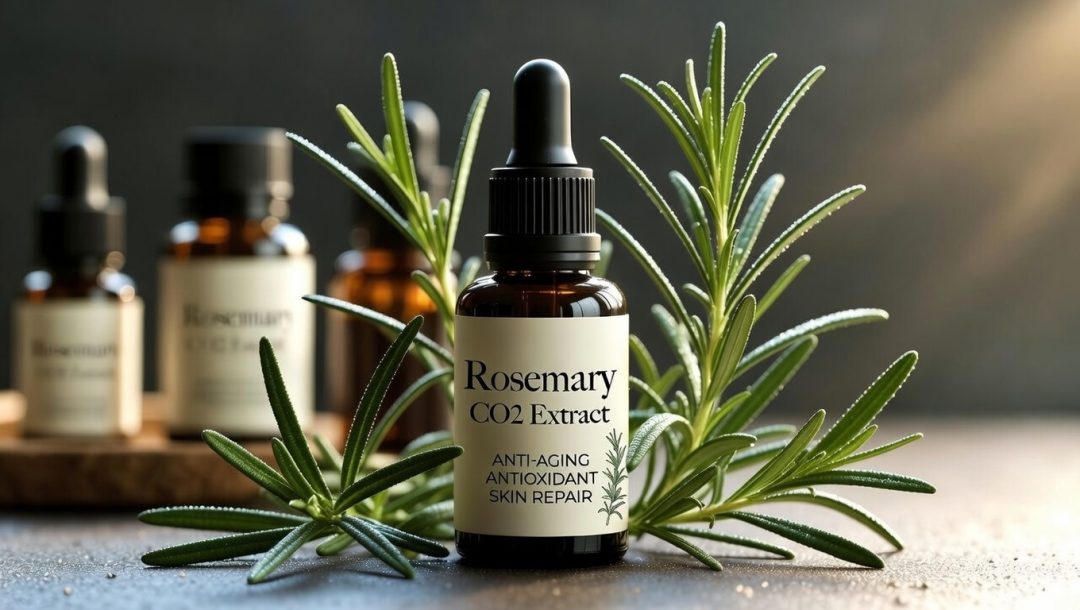
Rosemary CO₂ Extract for Skincare
Uncategorized

Rosemary CO₂ Extract for Anti-Aging & Skin Repair

In the evolving world of natural skincare, plant-based extracts are gaining strong attention for their proven effectiveness and safety. Among them, Rosemary CO₂ extract stands out as a powerful botanical ingredient known for its anti-aging, antioxidant, and skin-repair properties. Derived using advanced carbon dioxide extraction technology, this extract retains a high concentration of active compounds that make it exceptionally beneficial for cosmetic and dermatological applications.

This blog explores what Rosemary CO₂ extract is, how it works on the skin, its major skin benefits, and why it is becoming a preferred ingredient sourced from CO₂ extracts oils manufacturers in India.

What Is Rosemary CO₂ Extract?

Rosemary CO₂ extract is obtained from the leaves of Rosmarinus officinalis using supercritical carbon dioxide extraction. Unlike steam distillation, CO₂ extraction works at lower temperatures and without harsh solvents, preserving the plant’s sensitive bioactive compounds.

The result is a highly concentrated extract rich in antioxidants such as carnosic acid, carnosol, and rosmarinic acid. These compounds play a key role in protecting skin cells from oxidative stress, environmental damage, and premature aging.

Because of its purity and potency, Rosemary CO₂ extract is widely used in premium skincare formulations, anti-aging creams, serums, balms, and natural preservative systems.

Why CO₂ Extraction Matters in Skincare

CO₂ extraction is considered one of the cleanest and most effective extraction methods available today. It ensures:

  • No chemical solvent residue
  • Higher stability of active compounds
  • Better color, aroma, and efficacy
  • Enhanced shelf life

For skincare products, this means better performance and safer formulations. This is why many cosmetic brands prefer ingredients supplied by experienced CO₂ extracts oils manufacturers in India, where advanced extraction technology meets high-quality botanical sourcing.

Key Active Compounds in Rosemary CO₂ Extract

The effectiveness of Rosemary CO₂ extract comes from its rich phytochemical profile:

  • Carnosic Acid – A potent antioxidant that protects skin cells from free radical damage
  • Carnosol – Supports skin repair and improves elasticity
  • Rosmarinic Acid – Known for anti-inflammatory and soothing properties
  • Natural Diterpenes – Help strengthen the skin barrier

These compounds work synergistically to improve overall skin health and appearance.

Rosemary CO₂ Extract Skin Benefits

When it comes to natural skincare, the rosemary co2 extract skin benefits are extensive and well-researched.

Anti-Aging and Wrinkle Reduction

Rosemary CO₂ extract helps neutralize free radicals that cause premature aging. Regular use in skincare formulations supports smoother skin, reduces the appearance of fine lines, and improves firmness.

Skin Repair and Regeneration

The extract promotes cell renewal and helps repair damaged skin caused by pollution, UV exposure, and environmental stress. It is particularly beneficial for mature and stressed skin types.

Powerful Antioxidant Protection

Rich in natural antioxidants, Rosemary CO₂ extract protects the skin from oxidative damage, which is one of the primary causes of dullness and uneven texture.

Anti-Inflammatory and Soothing Effects

For sensitive or irritated skin, Rosemary CO₂ extract helps calm redness, reduce inflammation, and support healing, making it suitable for formulations targeting acne-prone or reactive skin.

Improved Skin Tone and Texture

Consistent use helps enhance skin clarity and texture by supporting healthy circulation and cellular activity within the skin layers.

Rosemary CO₂ Extract in Anti-Aging Formulations

Rosemary CO₂ extract is commonly used in:

  • Anti-aging creams and serums
  • Eye care formulations
  • Night repair oils
  • Facial balms and masks
  • Natural preservative blends

Its oil-soluble nature allows it to blend well with carrier oils, butters, and lipid-based skincare systems, enhancing both performance and stability.

Natural Preservative Properties in Skincare

One unique advantage of Rosemary CO₂ extract is its ability to act as a natural antioxidant preservative. It helps slow down oxidation in cosmetic formulations, especially those containing oils and butters.

This makes it highly valuable for clean beauty brands looking to reduce synthetic preservatives while maintaining product freshness.

Growing Demand for CO₂ Extracts Oils Manufacturers in India

India has emerged as a global hub for high-quality botanical extracts due to its rich plant biodiversity, skilled workforce, and advanced extraction facilities. Many CO₂ extracts oils manufacturers in India now supply Rosemary CO₂ extract that meets international cosmetic and pharmaceutical standards.

Manufacturers focus on:

  • Sustainable sourcing of rosemary leaves
  • Advanced CO₂ extraction technology
  • Consistent quality and active compound profiles
  • Compliance with global regulatory norms

This has made Indian suppliers a preferred choice for brands seeking reliable, natural skincare ingredients.

How to Use Rosemary CO₂ Extract in Skincare Products

Rosemary CO₂ extract is typically used in low concentrations due to its potency. It is added during the oil phase of formulations and works well in combination with other botanical oils and extracts.

It pairs especially well with:

Proper formulation ensures maximum skin benefits while maintaining product stability.

Who Should Use Rosemary CO₂ Extract?

Rosemary CO₂ extract is suitable for:

  • Mature and aging skin
  • Dull or tired-looking skin
  • Environmentally stressed skin
  • Oily and combination skin types
  • Natural and clean beauty formulations

However, as with any active botanical ingredient, patch testing is recommended in final consumer products.

Conclusion

Rosemary CO₂ extract is a highly effective, natural ingredient that offers powerful anti-aging and skin-repair benefits. Its rich antioxidant profile, soothing properties, and ability to support skin regeneration make it a valuable addition to modern skincare formulations.

With increasing demand for clean and sustainable beauty solutions, sourcing from trusted CO₂ extracts oils manufacturers in India ensures high quality, purity, and performance. Whether used for anti-aging, skin repair, or natural preservation, Rosemary CO₂ extract continues to prove its importance in advanced skincare products.

By incorporating this potent botanical extract, skincare brands can deliver visible results while staying aligned with the growing preference for natural and science-backed ingredients.

Essential Oils for Love & Passion
100% natural absolute oil exporters, Essential Oils Benefits, Uncategorized

The Language of Blooms: Kush Aroma Essential Oils for Love & Passion


For centuries, flowers have been nature’s messengers of love—given as tokens of affection, woven into wedding ceremonies, and used to convey what words often cannot. When these blossoms are distilled into essential oils, their emotional power becomes even more potent. Kush Aroma essential oils carry the soul of the flower, offering more than just a beautiful scent; they can open the heart, soothe the spirit, and set the stage for deep connection and romance. In this guide, we’ll explore the most cherished Kush Aroma essential oils for love, how they work on an emotional level, and simple, beautiful ways to invite their magic into your life.

Why Flowers Speak the Language of Love

From the first red rose to a bridal bouquet, flowers are embedded in our expressions of love. Their scents are tied to memory and emotion in a profound way. When inhaled, the aroma of Kush Aroma essential oils travels directly to the brain’s limbic system—the seat of emotion, memory, and attraction. This direct pathway allows these oils to:

  • Set a Romantic Mood: Transform any space into an intimate sanctuary.
  • Calm the Mind & Heart: Ease stress, anxiety, and emotional walls.
  • Elevate Emotion: Lift spirits, inspire confidence, and awaken warmth.
  • Foster Closeness: Encourage vulnerability, trust, and heart-to-heart connection.

Kush Aroma essential oils don’t just smell beautiful—they help us feel more open, present, and attuned to love.

The Most Romantic Kush Aroma Essential Oils & Their Gifts

Rose: The Heart’s True Companion

No flower is more synonymous with love than the rose. Rose essential oil carries its luxurious, softly-spiced aroma and profound heart-centered energy.

Why it’s special for love:
Rose is known as a tonic for the heart—both physically and emotionally. It comforts sorrow, eases tension, and gently encourages emotional openness, making it easier to give and receive love.

Ways to use it:

  • Add 2–3 drops to a diffuser in your bedroom or shared living space.
  • Blend with jojoba oil for a tender, romantic massage.
  • Include a drop in your bath for a deeply nurturing and self-loving experience.

Jasmine: The Confidence of Passion

Jasmine’s rich, exotic, and deeply floral scent is often linked to sensuality, moonlit gardens, and inner radiance.

Why it’s special for love:
Jasmine is celebrated for uplifting the spirit, calming nerves, and boosting confidence. It helps melt away inhibition, making it a beautiful ally for deepening attraction and intimate connection.

Ways to use it:

  • Diffuse in the evening to create an inviting, warm atmosphere.
  • Wear a diluted drop on your wrists or neck as a natural, magnetic perfume.
  • Add to a carrier oil for a sensuous massage blend.

Ylang Ylang: The Harmonizer of Hearts

With its sweet, tropical, and slightly fruity fragrance, ylang ylang is like a deep, calming breath for the heart.

Why it’s special for love:
This oil is renowned for dissolving anxiety and irritability, paving the way for playfulness, joy, and emotional harmony. It helps partners feel more relaxed and attuned to each other.

Ways to use it:

  • Diffuse during a quiet evening together to ease tension.
  • Blend into a body oil to encourage affectionate touch.
  • Add a few drops to a shared bath to soften moods and invite connection.

Neroli: The Comfort of Orange Blossoms

Neroli, distilled from the delicate white flowers of the bitter orange tree, carries a fresh, sweet, and subtly citrus scent often associated with new beginnings and pure love.

Why it’s special for love:
Neroli is a powerful yet gentle soother for emotional wounds, anxiety, and stress. It fosters feelings of peace, comfort, and tender connection, making it perfect for heartfelt conversations and rebuilding intimacy.

Ways to use it:

  • Diffuse in a space meant for quiet reconnection.
  • Apply a diluted drop over your heart before a meaningful date.
  • Mist over bedding as a gentle, calming linen spray.

Tuberose: The Depth of Devotion

Tuberose possesses an intense, creamy, and narcotically sweet floral aroma—often described as the scent of night-blooming passion.

Why it’s special for love:
This oil is deeply sensual and emotionally resonant. It encourages presence, emotional expression, and a profound sense of romantic closeness, perfect for moments of deep connection.

Ways to use it:

  • Use sparingly in a diffuser to create an intimate, enveloping ambiance.
  • Add a single drop to a massage blend for special occasions.
  • Blend into a personal fragrance to wear for a romantic evening.

How to Weave Kush Aroma Scents Into Your Love Life

1. The Art of Atmosphere


Use an essential oil diffuser with 4–6 drops of your chosen Kush Aroma essential oil to transform the energy of a room. This is perfect for date nights, relaxing together, or creating a welcoming home.

2. The Ritual of Touch


Dilute Kush Aroma essential oils in a luxurious carrier oil (like fractionated coconut or sweet almond) for a connecting massage. Focus on slow, mindful touch to deepen the experience.

3. The Sanctuary of Bath


Add 4–5 drops of Kush Aroma essential oil (mixed with a tablespoon of carrier oil or honey) to a warm bath. This is a beautiful ritual for self-love or shared intimacy.

4. A Scent to Remember


Create a signature romantic perfume by diluting your favorite Kush Aroma oil in a rollerball with carrier oil. Apply to pulse points for a lasting, personal fragrance.

Enchanting Kush Aroma Blends to Try

Open Heart Blend


3 drops Rose + 2 drops Neroli + 1 drop Ylang Ylang
Uplifting yet comforting; perfect for diffusing to encourage emotional warmth.

Sensual Harmony Blend


2 drops Jasmine + 2 drops Sandalwood + 2 drops Tuberose
Rich, grounding, and deeply romantic. Ideal for massage or an evening diffuser blend.

Bright Connection Blend


3 drops Neroli + 2 drops Rose + 1 drop Lemon
Fresh, joyful, and heart-opening. Wonderful for daytime or when you need an emotional lift.

A Thoughtful Gift of Love

Kush Aroma essential oils make profoundly personal gifts. Present a beautifully bottled oil, a ready-made rollerball blend, or a curated set with a diffuser. For Valentine’s Day, an anniversary, or “just because,” it’s a gift that speaks directly to the heart.

Safety & Sensitivity

  • Always dilute essential oils in a carrier oil before applying to the skin.
  • Conduct a patch test 24 hours before widespread use.
  • Avoid contact with eyes and sensitive areas.
  • If pregnant, nursing, or under a doctor’s care, consult a professional before use.
  • Store oils in a cool, dark place, away from sunlight.

In Full Bloom

Kush Aroma essential oils are more than just natural perfumes—they are allies in love, helping to create the emotional conditions where affection, trust, and romance can flourish. By engaging our deepest sense of smell, they remind us to slow down, breathe deeply, and connect—to ourselves and to those we love. Whether you’re celebrating a special occasion or nurturing everyday intimacy, let the timeless essence of flowers fill your space and your heart.

best soap scents
Uncategorized

15 Best Soap Scents for Cold Process Soap Making (Tested & Proven)

Choosing the best soap scents for your cold process soap can feel like navigating a fragrance jungle. After testing over 200 different fragrances in our soap making business, we’ve discovered which ones truly stand the test of time and customer preference. 

Cold process soap offers incredible benefits for those seeking natural ingredients that support and heal skin conditions. However, finding the perfect fragrance can be both delightful and challenging. From classic florals like lavender—consistently the number one floral scent—to refreshing citrus and soothing eucalyptus, the options are vast. In fact, some essential oils like lavender have become prohibitively expensive in recent years, reaching at one point over two thousand dollars per kilo 

That’s why we’ve compiled this definitive list of the 15 best fragrance oils for soap making—carefully tested and proven through our extensive experience. Whether you’re just starting your soap making journey or looking to expand your fragrance collection, these scents will ensure your cold process soap not only feels amazing but smells delightful too. 

Vanilla

Vanilla stands as a cornerstone among the best soap scents, offering a sweet and comforting aroma that appeals to almost everyone. This classic fragrance brings warmth and familiarity to cold process soap creations. 

Vanilla scent profile 

  • Sweet and warm with complex aromatic notes that create a comforting atmosphere 
  • Features buttercream top notes with middle notes of cake and vanilla, rounded out by base notes of bourbon and sugar 
  • Provides a classic gourmand fragrance suitable for any season or occasion 
  • Some vanilla fragrances offer added complexity with subtle fruit, floral, and coconut undertones 
  • Creates a calm and soothing ambiance, making it perfect for relaxation-focused soaps 

Vanilla mixing potential 

  • Exceptionally versatile – blends beautifully with numerous other fragrance families 
  • Works wonderfully with: 
  • Fruit scents like grapefruit and orange essential oils 
  • Woody fragrances such as white birch and smoked oud 
  • Sweet gourmand scents like snickerdoodle 
  • Adds depth and warmth to other fragrances without overwhelming them 
  • Serves as an excellent “anchor” scent in complex fragrance blends 
  • Considered a staple in any soap maker’s fragrance collection 

Vanilla cold process performance 

Despite its popularity, vanilla presents several challenges in cold process soap making: 

  • Contains vanillin, an organic compound that causes significant discoloration 
  • Discolors from light tan to deep chocolate brown depending on vanillin percentage 
  • Discoloration is a natural process that begins as vanilla pods ripen 
  • Vanilla Color Stabilizer works well for melt and pours soap but gives inconsistent results in cold process 
  • For fragrances with low vanilla content, titanium dioxide can lighten discoloration 
  • Most vanilla fragrance oils perform well in cold process soap despite the color change 
  • Some vanilla fragrance oils may cause acceleration or separation issues 
  • Natural vanilla extracts and flavoring should not be used in place of proper fragrance oils 

For cold process soap makers seeking the best fragrance oils, embracing vanilla’s natural tendency to discolor often yields better results than fighting it. Furthermore, incorporating the brown color into your design can create beautiful, chocolatey-looking soaps that complement the delicious scent. 

Lavender

Among the best soap scents, lavender reigns as the queen of floral fragrances in cold process soap making. This timeless essential oil brings both healing properties and universal appeal to handcrafted soaps. 

Lavender scent profile 

  • Offers an authentic, herbaceous, and floral aroma directly from the plant 
  • Primarily available in two main types: 
  • Lavandula angustifolia (English lavender) – sweeter, more traditional profile 
  • Lavandula latifolia (lavender spike oil) – contains notes of camphor and herbs 
  • Features a crisp, clean fragrance making it a favorite among soap makers and users alike 
  • Lavender 40/42 is standardized for consistent scent, leaning toward an herbaceous floral with balsamic undertones 

Lavender mixing potential 

  • Exceptionally versatile – blends well with virtually any scent 
  • Creates excellent combinations with: 
  • Base notes: patchouli, cedarwood, frankincense, vetiver 
  • Citrus: orange, lemon for balanced and refreshing blends 
  • Herbal: rosemary for mental clarity, eucalyptus for respiratory support 
  • Can stand alone as a single fragrance or enhance complex scent combinations 
  • Works beautifully in both minimalist and elaborate soap formulations 

Lavender cold process performance 

  • : 0.5 to 1 ounce per pound of oils (3-6% of total oil weight) Recommended usage rate 
  • For stronger, lasting scent, aim for the higher end (4-5%) as lavender can fade during cure 
  • Add essential oils at cooler trace temperatures (90-100°F) to help retain scent 
  • Anchoring techniques to preserve fragrance: 
  • Add small amounts of kaolin clay (1 tsp per pound of oils) 
  • Store curing soaps in cool, dark, ventilated areas 
  • Provides therapeutic benefits beyond fragrance: 
  • Anti-inflammatory and mild antimicrobial properties 
  • Helps clear acne, calm eczema, and speed wound healing 
  • Pairs beautifully with natural colorants like alkanet root for purple hues 

Lavender essential oil ultimately creates a calming experience that can reduce stress, relieve headaches, and promote better sleep—benefits that transfer directly to your handcrafted soaps. 

Oatmeal Milk & Honey

Oatmeal Milk & Honey represents a comforting classic among the best soap scents, consistently appearing as a top seller for soap makers nationwide. Its familiar, nostalgic aroma instantly evokes feelings of warmth and coziness. 

Oatmeal Milk & Honey scent profile 

  • Features a wonderful fresh aroma of Hawthorne with creamy French vanilla, soy milk, and nutty almond base notes 
  • Creates a comforting and nostalgic blend reminiscent of warm oatmeal cookies without being overpowering 
  • Includes primary scent components: 
  • Top notes: Almond, oats 
  • Middle notes: Tonka bean 
  • Base notes: Musk, vanilla bean, honey 
  • Offers subtle hints of spice from clove and tonka bean in some formulations 
  • Presents a fragrance like a warm almond cookie – soothing and slightly sweet 

Oatmeal Milk & Honey mixing potential 

  • Works beautifully when blended with: 
  • Vanilla for enhanced sweetness 
  • Almond to amplify the nutty undertones 
  • Light floral scents for dimension 
  • Contains, affecting mixing ratios approximately 0.52% vanillin and 1.06% ethyl vanillin 
  • Pairs well with complementary fragrances that enhance its warm, comforting profile 
  • Maintains its distinct character even in complex blends 
  • Performs consistently in various soap formulations without overwhelming other scents 

Oatmeal Milk & Honey seasonal appeal 

  • Considered “the perfect comfort scent for fall and winter” by many soaps makers 
  • Often labeled a “seasonal favorite” by manufacturers and customers alike 
  • Contains which produces a light tan to brown discoloration – perfectly matching its warm seasonal character1-2.5% vanilla 
  • Appeals primarily to those seeking comfort scents during colder months 
  • Performs excellently year-round but experiences peak popularity during autumn and holiday seasons 
  • Evokes feelings of home, warmth, and nostalgia – particularly appealing during seasonal transitions 
  • Complements fall and winter soap collections with its cozy, nurturing character 

Orange (5x Natural)

Orange 5x Natural essential oil brightens any soap maker’s collection with its vibrant citrus punch, making it a standout option among the best soap scents. This concentrated version solves the typical fading issues that plague regular orange oils in cold process soap making. 

Orange scent profile 

  • Delivers an intense, fruity aroma reminiscent of fresh orange peels 
  • Offers a concentrated citrus experience that’s significantly stronger than regular orange essential oil 
  • Appears as a thin, dark orange to golden brown liquid 
  • Acts as a middle note in fragrance compositions 
  • Contains, a chemical known for its antioxidant properties heightened levels of limonene 
  • Presents a sweet, refreshing quality that uplifts mood and reduces anxiety according to clinical studies 

Orange mixing potential 

  • Blends exceptionally well with: 
  • Floral oils like lavender 
  • Other citrus oils including bergamot and lemon 
  • Spice oils such as cinnamon bark and clove bud 
  • Woody scents including sandalwood 
  • Works perfectly in citrus-forward blends while maintaining its distinctive character 
  • Enhances complexity in fragrance combinations without overwhelming other notes 
  • Functions beautifully in essential oil blends at varying ratios depending on desired strength 

Orange cold process performance 

  • Excels where regular citrus oils fail – survives saponification 
  •  of cold process soap Recommended usage rate: 0.7-1 ounce per pound 
  • Contributes a natural orange color to soap, ranging from yellow to bright orange 
  • May cause slight color fading over the curing period, often leaving a light-yellow tinge 
  • Maintains strong scent even after the mandatory 6-week curing time 
  • Tends to break up trace slightly, requiring good stirring after addition 
  • Performs significantly better than regular orange essential oil which typically fades within a week 
  • Creates stunning visual effects when paired with natural colorants like paprika 

For soap makers seeking authentic citrus scents, this concentrated version proves itself worth every penny through its longevity and true-to-fruit aroma. 

Black Raspberry Vanilla

Black Raspberry Vanilla represents one of the best soap scents for cold process soap makers seeking a crowd-pleasing fragrance that performs reliably. This popular scent has earned its reputation through consistent customer satisfaction and excellent performance. 

Black Raspberry Vanilla scent profile 

  • Delivers a smooth, fruity fragrance bursting with ripe berries and creamy vanilla notes 
  • Features distinctive layers of aroma: 
  • Top notes: Black cherry, bergamot, lemon 
  • Middle notes: Raspberry, strawberry, plum, violet 
  • Base notes: Musk, vanilla, sugar 
  • Creates a perfect balance between sweet dark berries and velvety vanilla 
  • Presents as a sweet mix that includes hints of plum wine, orchid, and cashmere 
  • Appears light yellow to yellow in the bottle before use 

Black Raspberry Vanilla mixing potential 

  • Blends exceptionally well with complementary fragrances: 
  • Lemon Pound Cake and Limoncello Creme for citrusy warmth 
  • Cranberry Prosecco for enhanced berry notes 
  • Strudel and Spice for added dimension 
  • Offers alternative branding possibilities including Raspberry Sorbet, Berry Dreamsicle, and Sugared Berries 
  • Pairs beautifully with purple, violet, and burgundy colorants 
  • Contains, minimizing compatibility issues 0% vanilla content 

Black Raspberry Vanilla cold process performance 

  • Behaves exceptionally well in cold process soap formulations 
  • Shows no acceleration or ricing, remaining fluid for intricate designs and swirls 
  • Exhibits mild discoloration ranging from none to cream or light yellow 
  • Maintains strong scent retention throughout the curing process 
  • Receives consistently high customer ratings (based on 196 reviews) 4.5 out of 5 stars 
  • Recommended usage rate for cold process soap: 2.0-4.1% 
  • Performs well with various base oil combinations 
  • Has become a favorite among soapmakers specifically because it behaves well in soap 

Indeed, this fragrance has earned its place in many soap makers’ essential collections through reliability and customer appeal. 

Almond

A classic choice among the best soap scents, almond fragrance oil delivers a sweet, nutty aroma that consistently draws customers back for more. Its timeless appeal makes it a staple in any soap maker’s fragrance collection. 

Almond scent profile 

  • Offers a warm, classic nutty almond aroma that appeals to all age groups and genders 
  • Creates a sweet scent reminiscent of baking extracts and pastries 
  • Presents a clean, familiar fragrance that customers consistently rate highly 
  • Belongs to the sweet scent family with a comforting, inviting character 
  • Appears as a clear oil in the bottle before use 

Almond mixing potential 

  • Pairs excellently with: 
  • Oatmeal Milk & Honey for a delicious, customer-favorite blend 
  • Vanilla to create Vanilla Almond—a fragrance with nose-catching sharpness and sweetness 
  • Honey to produce Sweet Honey Almond soap formulations 
  • Coconut for creating Coconut Almond variations 
  • Functions well in both standalone applications and complex blends 

Almond cold process performance 

  • Performs exceptionally well in cold process soap making 
  • Shows no acceleration or separation in typical soap formulations 
  • Produces a light tan discoloration after cure 
  • Contains approximately 1-4% vanilla content, contributing to slight discoloration 
  • Recommended usage rate for cold process soap: 3.6% 
  • Maintains strong scent retention throughout and after the curing process 
  • Creates no ricing issues, allowing for intricate designs 

Additionally, almond fragrance oil works wonderfully across various product applications beyond soap, including candles, bath bombs, and body lotions, making it a versatile addition to any formulator collection. 

Sandalwood

Sandalwood stands out as a premium choice among the best soap scents, prized for its sophisticated woody character and exceptional performance in cold process formulations. 

Sandalwood scent profile 

  • Offers a warm, woody, and creamy aroma highly appreciated for its pleasant character 
  • Contains marker compounds (Z)-α- and β-santalol that give it distinctive qualities 
  • Varies in quality based on origin, with Southern Indian sandalwood considered superior 
  • Provides a deep, rich aromatic experience that adds a distinct touch to soap 
  • Features warm undertones that create a sophisticated base in fragrance blends 
  • Creates a noticeable yet balanced fragrance intensity that’s neither overwhelming nor subtle 

Sandalwood mixing potential 

  • Blends exceptionally well with: 
  • Vanilla for a soft, warm scent combination 
  • Lavender for a floral-woody profile 
  • Citrus oils for bright, balanced compositions 
  • Rose for mature, romantic scent profiles 
  • Amber for a warm, luxurious finish 
  • Works across various soap formulations from solid bars to liquid blends 
  • Serves as an excellent base note, helping anchor other fragrances and adding longevity 

Sandalwood cold process performance 

  • Performs reliably in cold process soap making without significant behavioral issues 
  • Contains no vanilla, resulting in no discoloration in most formulations 
  • Features a clear oil color in the bottle before use 
  • Works effectively with oils like shea butter and coconut oil for creamy lather 
  • Commands premium pricing due to its quality and scarcity 

Notably, the yield and quality of sandalwood oil vary with climate conditions, ranging between with higher yields from Southern India. Consequently, this makes authentic sandalwood one of the most coveted yet challenging fragrance oils to source artisan soap makers.1.5-5.1% 

Patchouli

Patchouli essential oil delivers an assertive, distinctive character that makes it a polarizing yet essential addition to the best soap scents collection. This deep, earthy fragrance creates memorable soaps that stand out from conventional offerings. 

Patchouli scent profile 

  • Features an earthy, smoky scent that makes a bold statement 
  • Belongs to the spicy scent family with rich, complex undertones 
  • Appears as a brown oil in the bottle before use 
  • Contains crisp green top notes with patchouli middle notes and woody, musky base notes 
  • Presents an assertive fragrance that elicits strong opinions 
  • , steam distilled from the leaves of the plant Originates from Indonesia 

Patchouli mixing potential 

  • Demonstrates exceptional versatility with numerous fragrance families 
  • Blends wonderfully with: 
  • Floral notes for balanced compositions 
  • Citrus oils like lime and orange for brightness 
  • Vanilla and gourmand scents for depth 
  • Minty fragrances for fresh combinations 
  • Adds depth and complexity to various scent profiles 
  • Serves as an effective base note to fix fleeting citrus scents in cold process soap 
  • Creates especially popular combinations with orange essential oil 

Patchouli cold process performance 

  • Shows mild acceleration in cold process soap formulations 
  • Produces light yellow discoloration in the final soap 
  • Maintains strong scent retention throughout curing 
  • Features a, affecting when to add during production flashpoint of 200°F 
  • Performs consistently across various soap formulations 
  • Offers a shelf life of 1-2 years when properly stored 
  • Works effectively in both cold process and melt and pour applications 

Overall, patchouli delivers reliable performance alongside its distinctive character, creating memorable soaps that retain their fragrance throughout use. 

Cool Water 

Cool Water brings a masculine aquatic dimension to the best soap scents lineup, offering a refreshing alternative to traditional fragrances. This designer-type fragrance has gained tremendous popularity among soap makers for its universal appeal. 

Cool Water scent profile 

  • Creates a sophisticated Fougere fragrance with crisp marine elements 
  • Features distinctive layered notes: 
  • Top notes: Cooling mint, citrus, black currant, pineapple 
  • Middle notes: Lavender, geranium, jasmine, orange flower, fir needle [364] 
  • Base notes: Cedarwood, musk, amber, oakmoss, tonka bean [364] 
  • Delivers a fresh, clean masculine scent reminiscent of the popular Davidoff cologne 
  • Presents as a refined blend of marine and green notes with cooling mint 

Cool Water mixing potential 

  • Combines excellently with: 
  • Lavender to enhance the existing middle notes 
  • Citrus oils for a brighter top note profile 
  • Woody fragrances to strengthen the base notes 
  • Creates versatile blends that maintain the distinctive masculine character 
  • Works effectively across multiple product applications including soaps, lotions, and candles 

Cool Water cold process performance 

  • Performs reliably in cold process soap making with no acceleration issues 
  • Shows minimal to no discoloration after cure, allowing for precise color work 
  • Maintains strong scent retention throughout the curing process [382] 
  • Works well at usage rates between 2.5-5% of oil weight 
  • Enables formulators to create blue and white swirl designs without worrying about discoloration 
  • Recommended for men’s soap lines yet appeals broadly across genders [382] 

As a result, Cool Water stands as an essential fragrance for soap makers seeking reliable performance with strong consumer appeal. 

Bay Rum

Bay Rum captivates soap makers with its , offering a traditional barbershop fragrance that has maintained popularity for generations among the best soap scents. Timeless masculine appeal 

Bay Rum scent profile 

  • Features rich, spicy notes of clove, cinnamon, and patchouli 
  • Balanced with complementary hints of pine, musk, vanilla, apple, and orange 
  • Combines traditional bay leaf and rum notes creating a sophisticated masculine aroma 
  • Creates an inviting and invigorating experience perfect for free-spirited souls 
  • Contains crisp pine needle notes that enhance its fresh character 
  • Often described as warm and exotic with jasmine undertones 

Bay Rum mixing potential 

  • Pairs excellently with: 
  • Patchouli for enhanced depth and complexity 
  • Sweet orange to brighten the spicy base 
  • Apple notes for a subtle fruity dimension 
  • Works well in formulations containing crushed cloves and cinnamon sticks 
  • Often combined with crisp pine needles for a refreshing twist 
  • Functions as a versatile base for multiple soap applications 

Bay Rum cold process performance 

  • Tends to during saponification process accelerate trace speed 
  • Performs well in various oil bases including coconut, olive, and sustainable palm 
  • Works effectively with natural colorants like activated charcoal for visual appeal 
  • Creates luxurious, creamy lather in properly formulated recipes 
  • Produces bars with long-lasting fragrance retention throughout use 
  • Remains stable in properly cured cold process soap formulations 

This traditional fragrance brings a timeless quality to soap creations while delivering a satisfying masculine profile that continues to attract customers seeking distinctive alternatives to contemporary scents. 

Lemongrass 

Lemongrass essential oil stands as a refreshing staple among the best soap scents, offering powerful staying power and distinctive aromatic qualities that make it highly valued in soap making. 

Lemongrass scent profile 

  • Delivers a fresh, lemony scent with earthy and sweet undertones 
  • Features tremendous staying power compared to other citrus scents 
  • Presents as light-yellow liquid before use in formulations 
  • Offers a sweet, oriental lemon fragrance when steam distilled 
  • Belongs to the fruity scent family with citrus characteristics 

Lemongrass mixing potential 

  • Creates excellent blends with: 
  • Lavender for a balanced floral-citrus combination 
  • Cedarwood for earthy depth 
  • Lemon for enhanced citrus notes 
  • Rosemary for a revitalizing aroma 
  • Works wonderfully in natural formulations seeking therapeutic qualities 
  • Adds bright, clean notes to more complex fragrance compositions 

Lemongrass cold process performance 

  • Shows no acceleration when added at trace 
  • Develops light orange discoloration in finished soap 
  • Maintains light scent retention throughout curing process 
  • Features a flashpoint of 174-185°F 
  • Maintains strong scent for up to 6 months in properly cured bars 

Moreover, for those creating natural soap formulations, lemongrass carries antimicrobial and antioxidant properties through its active components (α-citral, β-citral, myrcene, and eugenol). 

Cucumber Melon 

Crisp cucumber balanced with sweet honeydew creates a refreshing fragrance that ranks consistently among the best soap scents for those seeking summer freshness year-round. 

Cucumber Melon scent profile 

  • Delivers a refreshing blend of crisp cucumber and juicy honeydew melon notes 
  • Features distinct layered aromatics: 
  • Top notes: Cucumber and green oily notes 
  • Middle notes: Violet 
  • Base notes: Sweet honeydew melon 
  • Creates a bright, soothing, summery fragrance experience 
  • Combines sweet and sour cucumber elements with deep green notes 
  • Produces a clean, uplifting aroma reminiscent of garden-fresh produce 

Cucumber Melon mixing potential 

  • Performs reliably in cold process soap making 
  • Works well at standard fragrance oil usage rates 
  • Maintains its distinctive character even when paired with other scents 
  • Holds up well during saponification without causing acceleration 
  • Primarily functions as a standalone fragrance rather than a blending component 

Cucumber Melon seasonal appeal 

  • Recognized as “perfect for steamy summer days” 
  • Often considered a seasonal soap, yet many manufacturers carry it year-round 
  • Naturally associated with summer freshness and cooling effects 
  • Rated highly (3.9 out of 5) by customers seeking refreshing fragrances 
  • Described as “fan favorite seasonal soap” by artisan makers 
  • Evokes the feeling of “summer produce in your shower” without the gardening work 
  • Offers a “mini spa getaway” feeling with its fresh, clean character 

Cotton Blossom

Cotton Blossom emerges as an elegant addition to the best soap scents lineup with its fresh, airy quality that customers repeatedly request for its clean, sophisticated character. 

Cotton Blossom scent profile 

  • Emanates a clean, fresh fragrance blending cotton, mandarin blossoms, freesia and peonies 
  • Contains and resins with natural and synthetic aroma components 10.4% of essential oils 
  • Features distinctive layers: 
  • Notes of grass and sun-dried linen accord 
  • Mandarin blossom and jeans accord 
  • Peony, cotton, musk and baby powder 
  • Creates a sensory experience reminiscent of fresh laundry blowing in a gentle breeze 
  • Offers a light vanillin content of just 0.2% 
  • Evokes the feeling of “clean skin after a hot shower” according to many users 

Cotton Blossom mixing potential 

  • Pairs wonderfully with lavender to create familiar yet sophisticated combinations 
  • Functions effectively across multiple applications: 
  • Cold process soap 
  • Body sprays and lotions 
  • Soy wax candles and melts 
  • Often used as a standalone fragrance for its distinctive, beloved character 
  • Remains consistent through various formulation types 

Cotton Blossom cold process performance 

  • Shows slight acceleration during saponification process 
  • Exhibits variable behavior regarding ricing – most reports indicate none while others note moderate ricing 
  • Cures to a light-yellow color 
  • Maintains its scent profile exceptionally well through curing 
  • Performs best at 5.30% usage rate in cold process formulations 
  • Works beautifully with light blue colorants for esthetically pleasing bars 
  • Creates no separation issues in properly formulated bases 

Aloe

Seeking a clean, fresh fragrance among the best soap scents? Aloe fragrance oil provides a spa-like experience that performs surprisingly well in cold process soap formulations. 

Aloe scent profile 

  • Offers a clean, fresh spa-like aroma that works as a neutral fragrance base 
  • Features a complex fragrance structure: 
  • Top notes: Yucca, melon, prickly pear 
  • Middle notes: Lemon, lime 
  • Bottom notes: Heliotrope, clover 
  • Contains floral, sandalwood, cedarwood, and citrus elements 
  • Creates a pure, fresh atmosphere without overwhelming scent intensity 

Aloe mixing potential 

  • Works effectively in multiple applications: 
  • Soap making (both cold process and melt-and-pour) 
  • Candles and wax melts 
  • Personal care products including shampoo bars 
  • Functions well in laundry detergent formulations 
  • Serves as an excellent “clean” or “neutral” fragrance base 

Aloe cold process performance 

  • Performs exceptionally well with no acceleration or separation issues 
  • Holds scent remarkably well throughout curing process 
  • Behaves beautifully despite containing floral notes that typically cause problems 
  • Adds silkiness and luxurious feel when real aloe is incorporated 
  • Enhances lather quality in finished soap bars 
  • Works at standard fragrance oil usage rates 

Luv Spell

Inspired by Victoria’s Secret Love Spell, this enchanting fragrance ranks among the best soap scents for crafters seeking a complex yet well-behaved fragrance oil. 

Luv Spell scent profile 

  • Features a sophisticated blend of: 
  • Top notes: Bergamot, bright peach, strawberry, grapefruit, apple 
  • Middle notes: Apple blossom, African tamarind, Damask rose, cherry blossom, hydrangea [601] 
  • Base notes: Tonka bean, coconut milk, white musk, vanilla, powder [601] 
  • Appears yellow in the bottle before use 
  • Contains 0.00% vanilla content, minimizing discoloration concerns 
  • Delivers a luscious, fruity-floral character that maintains popularity across seasons 
  • Creates a balanced feminine fragrance with both sweet and sophisticated qualities 

Luv Spell mixing potential 

  • Blends exceptionally well with: 
  • Magnolia and Peony for enhanced floral complexity 
  • Peach Nectar for amplified fruit notes 
  • Sparkling Grapefruit for brightened citrus elements 
  • Functions effectively across multiple applications including soaps, lotions, and candles 
  • Maintains its distinctive character while complementing other scents 
  • Works well in both simple and complex fragrance formulations 

Luv Spell cold process performance 

  • Behaves remarkably well in cold process soap making 
  • Shows no acceleration during saponification process 
  • Presents no separation issues in properly formulated bases 
  • Stays fluid with slow trace, ideal for complex swirl designs 
  • Exhibits mild yellow discoloration after cure 
  • Recommended usage rate: 2.0-6.0% for cold process soap 
  • Maintains pleasant, mild scent retention throughout curing 

Comparison Table 

Fragrance Main Notes Best Mixing Combinations Cold Process Performance Special Characteristics 
Almond Sweet, nutty, warm Oatmeal Milk & Honey, Vanilla, Honey, Coconut No acceleration, slight tan discoloration Contains 1-4% vanilla content 
Aloe Fresh, spa-like with yucca, melon, citrus Works well in multiple applications No acceleration or separation Enhances lather quality 
Bay Rum Spicy, clove, cinnamon, patchouli Patchouli, Sweet Orange, Apple Accelerates trace Traditional barbershop scent 
Black Raspberry Vanilla Berry, vanilla, musk Lemon Pound Cake, Cranberry Prosecco No acceleration or ricing 0% vanilla content 
Cool Water Marine, mint, citrus, musk Lavender, Citrus, Woody fragrances No acceleration, minimal discoloration Popular masculine scent 
Cotton Blossom Fresh, clean, floral Lavender Slight acceleration, light yellow color Contains 10.4% essential oils 
Cucumber Melon Fresh cucumber, honeydew Works best as standalone Good performance, no acceleration Popular summer fragrance 
Lavender Herbaceous, floral Patchouli, Citrus, Rosemary Best at 90-100°F trace temperature Most popular floral scent 
Lemongrass Citrus, earthy, sweet Lavender, Cedarwood, Lemon No acceleration, light orange discoloration Strong staying power 
Luv Spell Fruity-floral, peach, cherry Magnolia, Peony, Peach Nectar No acceleration, mild yellow discoloration 0% vanilla content 
Oatmeal Milk & Honey Warm, nutty, sweet Vanilla, Almond Light tan to brown discoloration Contains 1-2.5% vanilla 
Orange (5x Natural) Intense citrus, fruity Lavender, Bergamot, Sandalwood Breaks up trace slightly Concentrated version 
Patchouli Earthy, smoky, musky Floral notes, Citrus, Vanilla Mild acceleration Strong, polarizing scent 
Sandalwood Warm, woody, creamy Vanilla, Lavender, Citrus, Rose No significant issues, no discoloration Premium fragrance 
Vanilla Sweet, warm, gourmand Fruit scents, Woody fragrances Significant brown discoloration Contains vanillin 

Conclusion 

Exploring these 15 soap scents certainly reveals why they’ve stood the test of time in cold process soap making. After testing hundreds of fragrances over the years, these consistently perform well while delighting customers. 

When selecting scents for your next soap batch, remember: 

  • Each fragrance behaves differently during saponification – some accelerate trace while others remain perfectly stable • Vanilla content often determines discoloration levels, with higher percentages creating deeper brown tones • Complementary scent combinations can create signature blends that set your products apart • Usage rates typically range from 3-6% of oil weight for optimal performance. Essential oils generally require more careful handling than fragrance oils due to their natural properties

Additionally, considering your target audience helps narrow down your fragrance selection. Cool Water and Bay Rum appeal strongly to masculine preferences, whereas Black Raspberry Vanilla and Luv Spell tend to attract those seeking feminine scents. 

The comparison table provides a quick reference guide when planning your next soap batch. Undoubtedly, starting with versatile options like Lavender, Vanilla, and Oatmeal Milk & Honey gives you a solid foundation before experimenting with more complex fragrances. 

Though mastering soap scents takes time and experience, these fifteen proven performers offer reliable results for both beginners and seasoned soap makers alike. Whether you prefer natural essential oils or well-crafted fragrance oils, this collection provides exceptional options for creating memorable, aromatic soap that customers will love. 

What’s your favorite soap scent from this list? Perhaps you’ll discover a new favorite to incorporate into your next creative soap making session! 

FAQs 

Q1. What are some popular scents for homemade soap?

Some popular soap scents include lavender, vanilla, oatmeal milk & honey, citrus scents like lemongrass and orange, and fresh scents like cucumber melon. Floral, fruity, and clean scents tend to be customer favorites for handmade soaps. 

Q2. How do I choose fragrance oils for cold process soap making?

When selecting fragrance oils for cold process soap, consider factors like scent strength, behavior during saponification (acceleration, ricing, etc.), discoloration potential, and customer appeal. Always check usage rates and test new fragrances in small batches before scaling production. 

Q3. What are some good fragrance combinations for soap? Popular fragrance combinations include lavender and vanilla, citrus and herb blends like lemongrass and rosemary, fruity-floral mixes like black raspberry vanilla, and complementary scents like sandalwood and rose. Experiment with different ratios to create unique, appealing blends. 

Q4. How much fragrance should I use in cold process soap? The typical usage rate for fragrance oils in cold process soap is between 3-6% of the total oil weight in your recipe. However, always check the specific recommendations for each fragrance oil, as some may require lower or higher amounts for optimal performance and scent throw. 

Q5. Do essential oils or fragrance oils work better in soap making?

Both essential oils and fragrance oils can work well in soap making, but they have different characteristics. Essential oils are natural but can be more expensive and may fade faster. Fragrance oils are often more affordable, have a wider scent range, and tend to have better scent retention in soap. The choice depends on your preferences and target market.