Browsing Tag

natural essential oils

Essential Oils Benefits

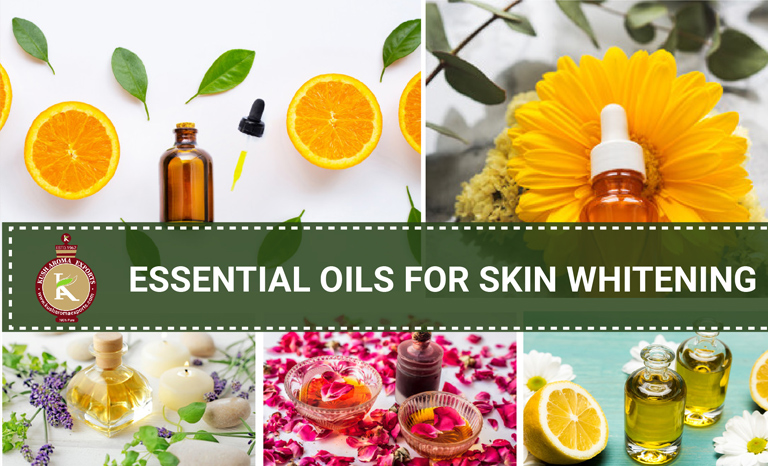
Essential Oils for Skin Whitening

There are a number of natural products that have efficacy to treat skin related problems as well as other health problems. Here in this section, we’ll talk a little bit about the essential oils for skin whitening.

In the modern era, natural essential oils are preferred over other products as these are extracted from the plant’s parts such as flowers, leaves, bark, roots, etc. Here we would like to say that each and every natural essential oil contains certain types of characteristics that make them good for hypertension, digestive problems, stress, broken bones, etc. If we talk about the peppermint oil, it’s beneficial for an energy boost and helpful for digestion, lavender can be good for stress, anxiety, depression, and sandalwood is effective for calming nerves as well as helping to increase concentration and focus. At the same time, bergamot is one of the wonderful products for skin conditions. Not only these essential oils, but there are more than a hundred essential oils that can be beneficial for different types of health problems.

Now we would like to say that the essential oil market is increasing with the fast pace and increasing with 8 percent growth rate. People have shown faith in these natural products, including the influencing fragrance. Due to their medicinal properties, these are widely used in pharmaceutical and aromatherapy. Besides this, natural essential oils are effective in dealing with skin issues, therefore widely used in skincare products making. 

Which Essential Oils are best for Skin Whitening?

Mainly, we use the different types of cosmetic items such as creams, foundations, soaps, etc. for improving the skin complexion. It’s further beneficial for making it fairer and whiter. Besides, these products’ natural essential oils could be the best choices to make your skin fairer as well as for improving skin health by providing nourishment. These are perfect for eliminating the blackhead, acne, pigments, etc. These natural oils are quite effective in controlling the acne and have effectiveness in reducing the wrinkles and even can stimulate hair growth. Furthermore, these are best for balancing sebum without drying your skin. Here we will introduce the best natural essential oils for acne-prone skin and whitening.

Blackcurrant Seed Essential Oil

Blackcurrent seed oil is one of the best natural essential oils which can offer whitening and nourishment to the skin. This natural essential oil contains gamma-linolenic acid, one of the type of omega-6 fatty acid that is very helpful in easing the inflammation in the body. The high GLA and anthocyanin content in the Blackcurrent seed essential oil can be effective in reducing the pain, stiffness, soreness, and damage.

Rose Essential Oil

In the list of best natural essential oils for dry skin rose essential oil is helpful in whitening oily skin, lightening dark spots, and best for eliminating the pimples and acne. In addition, rose essential oil is perfect for clearing the eczema conditions and diminishing the scars. In a recent study, it was found that it’s helpful in reducing anxiety, stress, depression, and pain. It also contains the antibacterial and antimicrobial properties, which make it good against the bacteria and microorganisms. 

Lavender Oil for Skin

Lavender could be the best choice for skin related problems because of the great potential to prevent and heal acne breakouts. This is further effective to unclog pores and the ability to reduce the inflammation.

If this natural essential oil is used with the appropriate carrier oil then it can produce outstanding results on skin problems. Lavender oil for skin is helpful for reducing the redness, blotchy patches, and perfect for acne scarring. It’s one of the best essential oils for skin whitening. 

Almond Essential Oil 

Almond essential oil is another wonderful natural remedy providing an excellent range of moisturizing properties. This is greatly beneficial for skin related problems as this contains fatty acid and skin-nourishing vitamin. 

This essential oil has the potential to improve the skin tone, treating the dry skin, reducing the acne, and appearance of the scars. This is quite effective against stretch marks. This contains the omega-3 fatty acid as well as has the efficacy to boost the memory as well as immunity. It further can be helpful for lowering the risk of diseases.

Sandalwood Essential Oil

Sandalwood essential oil is quite effective for skin as this contains the antioxidant property and helpful to fight against the free radicals. Moreover, it also has anti-inflammatory, antiseptic, and healing properties. It works as a toner, and helpful for brightening skin, and eliminates the blemishes and blackheads.

In addition, this is perfect for swelling and rashes. Sandalwood essential oil is another best one for producing the calming and relaxing effects. It’s perfect for stress, depression, and anxiety issues. Moreover, it’s good for reducing the blood pressure level.

Olive Essential Oil

Olive oil is one of the best natural products which has excellent skin nourishing properties and is good for skin brightening. It’s further best for treating the fine lines as well for pigmentation and uneven skin. This natural essential oil has a maximum amount of Vitamin E and is also effective in making the skin lighter. The olive essential oil also has anti-inflammatory as well as antioxidant properties that make it perfect for making skincare products. This is also good for preventing strokes. In addition, this natural product is effective for protecting against heart diseases.

Buy Pure and Natural Essential Essentials 

We are one of the best natural essential oils suppliers who can provide you 100 pure and natural essential oils for different skin types and problems. We manufacture essential oils by using the pure raw material grown in the natural habitat. 
how to make essential oils
Essential oils

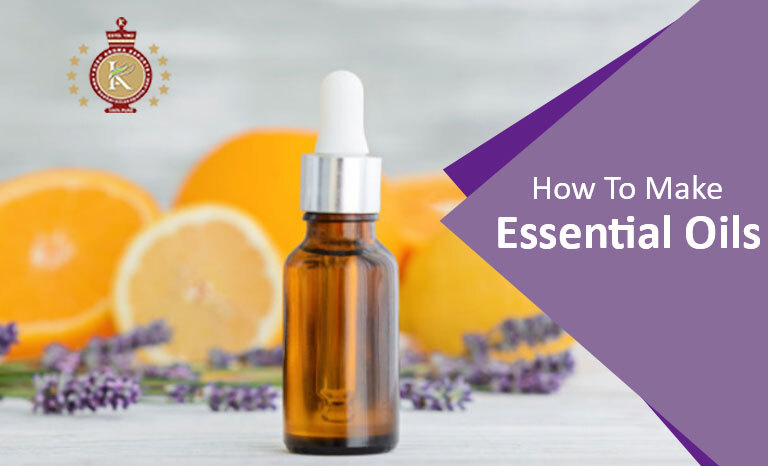
How to Make Essential Oils

Natural essential oils exhibit various medicinal attributes and properties; therefore, the majority of them used for the treatment of various health ailments. However, the striking question that comes to mind is how to make essential oils? 

Pure essential oils are the natural extracts of plants and its parts having characteristic aroma comprises powerful chemical composition. There are almost hundreds of essential oils such as lavender, lemongrass, bergamot, frankincense, etc. They maintain the mental and physical well-being of the people and are widely used for relieving stress and depression.  We know that their fragrance has the efficacy to make a difference. Therefore these are used in making soap, perfumes, and personal care products. Worldwide essential oils are being used by consumers due to their excellent therapeutic properties & associated benefits.

In simple terms, essential oils are highly concentrated volatile liquids obtained from the leaves, twigs, peels of fruit, seeds, flowers, stems, bark, or any part of the plant. Essential oils are enriched with vital minerals, vitamins, antioxidants, and certain vital aromatic compounds such as – limonene, menthone, citronellal, iso menthone, along with different types of aldehydes, ketones, and other organic compounds. Every essential oil has its own aroma, which further affects the psychological feelings. Moreover, its therapeutic properties, such as antiseptic, anti-inflammatory, antispasmodic, sedative, diuretic, antioxidant, etc. make it fit for different types of health concerns and industry applications.

Brain stimulating tendencies of essential oils make them good to bring positive changes in health status. A few essential oils are used to flavor candies, chocolates, desserts, and other food items. Where the list includes- peppermint, orange, thyme, marjoram,  lemon, etc, these essential oils not only add flavors but also help in providing a good digestive system.

Cosmetic products have numerous benefits along with enhancing the beauty by rejuvenating skin and also provide shining and strong hair. Essential oils are added as an ingredient to add value to personal care products. Organic essential oils manufacturers and suppliers in India, use different extraction methods to make pure and natural oils.

How to Make Essential Oils

In fact, essential oils are extracted from natural products by different extraction methods, where natural essential oils manufacturers use such as steam distillation, cold-pressed, solvent extraction, co2 extraction, etc. Choosing an appropriate extraction process entirely depends on several factors. Here we are going to discuss a few extraction processes to make you clear how to make essential oils. 

It’s worth knowing that while preparing these essential oils, it’s kept in mind the original chemical composition should not be distorted, else it would not be of no-use.  These aromatic compounds are considered as the life force, and good for various applications. Essential oil’s macromolecules mixed with bloodstream, therefore, provide instant results by influencing the limbic system of the brain. Let’s discuss the various types of extraction process.

Steam Distillation

It’s one of the most popular essential oil extraction techniques adopted by the essential oil industry. In this process, the raw material passes through the different stages of condensation and collection. It’s the most prevailing extraction process among the natural essential oils manufacturers in India & across the world.

First of all, the raw material is collected and filled into a large container, which is generally made up of copper or stainless steel. While going through this process, pressurized steam is supplied to raw material which further releases the plant’s aromatic compounds, and converts it into the vapor form. It’s worth noting that a controlled temperature should be applied, so as it could easily separate the molecules instead of distorting them. 

Now the vaporized content travels to the condensation chamber, where the condensation process takes place. Two pipes are provided one for hot water exit and another one for cold water from entering. In this stage, the vapor cools down and converts into the liquid form. In the final stage, the aromatic liquid (By Product) is collected inside a container – so-called separator. Due to different relative density, both water and oil do not mix, and essential oil floats on the top. Now it’s quite easy to siphon off essential oils from the water. However, there is an exception, where a few essential oils such as clove are heavier than water, so collected at the bottom of the separator.

Cold Pressed

Not every essential oil is extracted by means of steam distillation; a few ones are obtained by the process of cold-pressed technique. It’s another best natural essential oil extraction process for citrus fruits such as bergamot, lime, lemon, grapefruit, etc. The cold-pressed technique is quite beneficial as it doesn’t involve any of the excessive heating mechanisms; it only utilizes a mechanical pressing approach. Therefore, the chances of distortion of natural compounds are almost negligible. The cold-pressed technique is quite effective in preserving the essence of plant material.

In general terms, cold-pressed is a mechanical compression process where the centrifugal force comes into the picture to separate oil from the plant pulp. While carrying out the cold-pressed, the whole fruit is placed under a device where it’s mechanically pierced to obtain the oil sacs, which is found under the peel of the fruit. After mechanical piercing, the oil and pigments are collected in the collector chamber. Now, it further goes for squeezing to separate juice and oil. Now the mixture has three compositions including – juice, oil and solid of fruit material which is further separated by the centrifugal force. Afterward, the oil and juice layers are formed in the receiver, as both have different relative density so it’s easy to siphoned off.

Co2 Extraction

Co2 Extraction process is much better than the steam distillation process as it does not involve higher temperatures. Steam distillation is operated between 140 to 212 degrees F while Co2 Extraction is done at 95 to 100 degrees F, which is comparatively very low. The co2 extraction process is quite helpful in retaining the original aromatic composition. In the Co2 extraction process “Supercritical,” co2 means a higher pressurized liquid form of Co2 is used to separate the aromatic molecules from the plant’s raw material. Liquid Co2 works as the solvent and pulls out the oil. In the next stage, Co2 returns back to its natural gaseous state after reducing the pressure. The Co2 & Oils are now separated, where oil is collected in a collection vessel. The oil obtained by this process is much thicker as compared to steam distillation. 

Solvent Extraction

Solvent Extraction used hexane and ethanol for extracting the pure essential oils, which has a low amount of oil and delicate aromatic compounds that are incapable of tolerating excessive heat and pressure. Nonvolatile compounds such as waxes and pigments are also obtained during the Solvent extraction process, and the oil obtained is of finer fragrance.  In this process, alcohol is mixed with concrete to separate the oil from the concrete, which further goes for the condensation process where oil is collected in the collection vessel. Mainly the oil obtained by this process is used in perfumery or in aromatherapy oil. Solvent extraction processes also include – Maceration and Enfleurage.

Hopefully, the above processes are good enough to put a break on your curiosity about how to make essential oils. Worldwide, organic essential oils manufacturers and suppliers used these techniques for extracting the essential oils.

are essential oils safe
Essential oils

Are Essential Oils Safe – An Overview

We’re well aware of essential oils, as these are the natural extracts of plants and its parts. The market size of essential oils is growing with rapid pace and is expected to touch USD 13 billion by 2024. Meanwhile, it’s quite necessary to know – are essential oils safe for usage? Around the world, essential oils are used for various purposes to treat many health issues which include anxiety, stress, depression, heart problems, and many more. And chiefly gaining popularity in aromatherapy, actually people are relying on these products to a large extent. Most of the essential oils are universally identified with freshness and cleanliness.

Whenever we see essential oil advertising and marketing strategy, we find lots of glitches and promises. They claim for 100 percent pure and natural essential oils but is this true? They denied chemical adulteration or anything else. But what exactly we’re getting?

Many consumers are unaware of the dangerous risks involved in essential oil usage. Therefore it’s mandatory to know the fact about essential oils.

What are Essential Oils

Essential oils are natural extracts of plants and its parts including roots, shoots, flowers, stems, leaves, etc. There are hundreds of essential oils which are used for various purposes including – beauty, cosmetics, aromatherapy, culinary, etc. If we explore the essential oil list, we find everything such as uses, benefits, properties, safety information, and profiles. These natural products have different sorts of property, including property such as antiseptic, antibiotic, antineuralgic, carminative, cholagogue, cicatrisant, emenagogue, analgesic, febrifuge, hepatic, sedative, nervine, digestive, etc. Since ancient times essential oils are used for various traditional medicinal systems, and explored by the scientific community for treating of various diseases, including asthma, skin infection, blood circulation problems, menstruation problems, blood heart strokes, bronchitis and many more.

But sometimes it becomes challenging to find the 100 percent pure and natural essential oils. And here our objective is to find out -” are essential oils are safe? “

Are Essential Oils Safe to Inhale?

There are different ways to use essential oils, where inhalation is one of them. By this way, essential oil’s aromatic compounds enter into the body through the nose or mouth. These aromatic compounds have the potential to stimulate the brain’s limbic system – well known for motivation, emotion, learning, and memory.

Apart from this, when we go through the benefits of essential oils, we observe that these are very good to provide relief and ease. These are very helpful to reduce anxiety, stress, and sleep disorders. In case of respiratory issues, the diffuser is best suited for mood management.

When diffusing the oil, you must follow these safety precautions:

  • You must do proper dilution by following the guidelines
  • It’s mandatory to diffuse in a well-ventilated area.
  • Use oil intermittently, at different interval of time 30 min or 60 min.

Now it’s time to know more about “are essential oils safe to inhale” and also figure out the same.

Natural Essential oils can be used without any potential risks – cedarwood, fir, grapefruit, lavender, lemon, spearmint, tangerine, etc.

Essential oils involved with some sort of risks – bay, cinnamon bark or leaf, clove bud or leaf, lemongrass, peppermint, thyme, etc.

Are Essential Oils Safe for Babies?

When it comes to babies, we freak-0ut, as they’re very sensitive to the outer environment or any product. They (infants and children) have thinner skin, less developed lever, and progressive CNS and immune system.

As essential oils have some sort of aromatic compounds which directly impact on brain by processing stimulation. End-result, they produce chemicals which are much useful. Therefore, it’s good to trace out – “are essential oils safe for babies or not?”

We should consult with a doctor or medical practitioner before using on the infant or children. It’s recommended that we should not apply essential oils on infants, and After 2 years we can apply topically or through aromatherapy but must use in very dilute condition or lesser concentration.

Let’s go through safety guidelines for using a few essential oils:-

  • In the context of peppermint essential oil, it should not be applied topically or diffuse around the children below 6 years of age.
  • It would be better that we shouldn’t apply eucalyptus essential oil either topically or diffuse without proper dilution. It’s advisable for the children below 10 years.

It’s advisable that Infants and children should not ingest the essential oils. As per the safety norms, it would be better to keep essential oils out of children’s reach.

Sometimes, topically usage of essential oils linked to hormonal abnormalities. As in the case of topical usage of lavender and tea-tree essential oils can increase the chance of breast growth. Therefore, discuss with your doctor before using around the children or infants. Let’s brief out a few essential oils that shouldn’t be used around the children – eucalyptus, rosemary, verbena, wintergreen, peppermint, and fennel. Now, we’ve told you “are essential oils safe for babies?” Now you can proceed with the doctor’s advice

Are Essential Oils Safe for Pets?

Pets are an integral part of our lives and family, as we feel a strong connection with them. They provide us with emotional support, minimize our stress, anxiety, loneliness, and allows us to become a social being. We frequently use essential oils for different purposes, therefore, it’s our duty to know “Are essential safe for pets?”

As pets are living creatures, and certain essential oils can be toxic when ingested or applied on the skin. This may cause several problems including drooling, weakness, skin irritation, stomach pain, severe impact on the CNS, and also bad effect on the liver.

Essential Oils that are harmful to pets include:

  • Citrus (d-limonene)
  • Sweet birch.
  • Tea tree (melaleuca)

Conclusively, it’s good to say essential oils promise help but still, risks are involved in the usage. In this topic, we’ve covered the following points –

  • Are essential oils safe
  • Are essential oils safe to inhale
  • Are essential oils safe for babies
  • Are essential oils safe for pets

Hopefully, you’ve understood the same, but we still recommend a doctor’s advice before using any of the essential oil.

Note: – All this information is only for education purpose, and this information is not intended to diagnose, treat, cure, or prevent any disease, and it should not be used by anyone who is pregnant or under the care of a medical practitioner. Before using any of the product, please consult with a registered medical practitioner/doctor. Please refer to our policies for further details, and our disclaimer below.