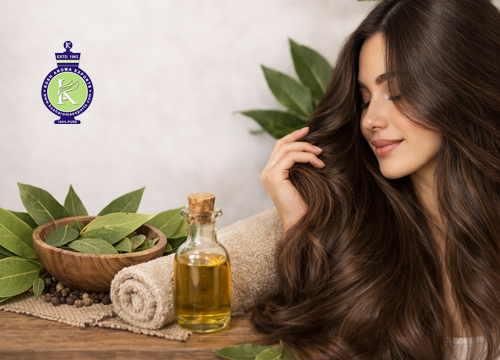
If your hair is thinning, falling, or simply refusing to grow, you’ve probably tried everything. Shampoos, serums, supplements. But bay leaf benefits for hair might be the natural answer hiding in your kitchen spice rack.
Bay leaves (Laurus nobilis) have been used in traditional medicine for centuries. And modern research is beginning to confirm what grandmothers always knew- this humble herb packs a powerful punch for scalp and hair health.
Let’s explore exactly what bay leaf does for your hair, how to use it, and what results you can realistically expect.
What Is Bay Leaf and Why Does It Work for Hair?
Bay leaf is the dried or fresh leaf of the laurel tree. You probably know it as a cooking spice. But it’s also rich in compounds that directly support hair health.
Here’s what makes it effective:
- Eugenol — a natural antiseptic that fights scalp infections and dandruff
- Linalool — known for calming inflammation and promoting relaxation
- Cineole (eucalyptol) — improves blood circulation to the scalp
- Tannins — astringent compounds that strengthen hair follicles
- Vitamins A, C, and B6 — essential nutrients for hair growth and repair
- Calcium, iron, and magnesium — minerals that support healthy hair structure
Together, these compounds create a potent natural formula that addresses the root causes of hair problems — quite literally.
Bay Leaf Benefits for Hair: 8 Reasons to Start Using It Today
1. Promotes Hair Growth
The most talked-about benefit and it’s well supported.
Bay leaf stimulates blood circulation in the scalp. Better circulation means more oxygen and nutrients reach your hair follicles. Healthy, nourished follicles produce stronger, thicker hair strands.
The cineole in bay leaf is particularly effective here. It works similarly to some clinically studied hair growth compounds by activating follicles that may have become dormant.
Regular use of bay leaf rinse or bay leaf oil can show visible improvement in hair density within 8–12 weeks of consistent application.
2. Reduces Hair Fall and Breakage
Hair fall has many causes – weak roots, scalp inflammation, nutritional deficiency, or excessive DHT (a hormone linked to hair loss).
Bay leaf addresses several of these at once.
Its anti-inflammatory compounds soothe an irritated scalp, which is a common but overlooked cause of hair fall. Meanwhile, its astringent tannins tighten the scalp tissue around each follicle, reducing shedding caused by weak roots.
Furthermore, the nutrients in bay leaf strengthen the hair shaft itself. This means less breakage, fewer split ends, and overall stronger hair from root to tip.
3. Controls Dandruff and Scalp Infections
A flaky, itchy scalp is often caused by fungal overgrowth or bacterial infection. Bay leaf is naturally antifungal and antibacterial making it an effective, gentle solution.
Eugenol, one of bay leaf’s primary compounds, has demonstrated antifungal properties in several studies. It targets the fungi responsible for dandruff and seborrheic dermatitis without stripping the scalp’s natural oils.
Unlike harsh anti-dandruff shampoos, bay leaf doesn’t cause dryness or rebound oiliness. It restores balance instead of disrupting it.
A bay leaf rinse used twice a week can noticeably reduce flaking within 3–4 weeks.
4. Soothes Dry and Itchy Scalp
If your scalp constantly feels tight, dry, or irritated- bay leaf can help.
Its natural anti-inflammatory action calms the nerve endings that cause itching. At the same time, it moisturises the scalp without making it greasy.
Bay leaf oil (diluted in a carrier like coconut or jojoba oil) is especially good for this purpose. Massaging it into the scalp improves hydration, reduces inflammation, and leaves the scalp feeling instantly calmer.
This makes it a great option for people who struggle with scalp sensitivity or react to chemical-based treatments.
5. Bay Leaf Benefits for Hair Fall — Tackling the Root Cause
Beyond its surface-level effects, bay leaf works deeper.
Chronic inflammation is one of the biggest hidden contributors to hair loss. It constricts blood vessels in the scalp and damages follicle cells over time. Bay leaf’s anti-inflammatory compounds actively counter this process.
Additionally, bay leaf is rich in iron – a mineral directly tied to hair density. Iron deficiency is one of the most common nutritional causes of hair fall, especially in women.
Using bay leaf externally and including it in your diet (as a cooking herb) gives you a two-pronged approach to managing hair fall naturally.
6. Prevents Premature Greying
This is a lesser-known but equally impressive benefit.
Bay leaf contains compounds that support melanin production, the pigment responsible for hair colour. When melanin production slows or stops, hair turns grey.
Stress, nutritional deficiency, and poor scalp circulation are common triggers. Bay leaf addresses all three.
Regular scalp massage with bay leaf oil improves circulation, reduces oxidative stress on follicles, and delivers the vitamins needed for sustained melanin activity. It won’t reverse existing grey hair, but it may slow down the greying process.
7. Adds Shine and Reduces Frizz
Bay leaf works beautifully as a finishing rinse for dull or frizzy hair.
The tannins in bay leaf smooth the outer layer (cuticle) of each hair strand, reducing frizz and increasing light reflection, which is what makes hair look shiny.
A cool bay leaf rinse after shampooing and conditioning can make an immediate difference. Your hair will feel smoother and look noticeably healthier even after the first use.
This is especially effective for people with dry, thick, or naturally frizzy hair types.
8. Strengthens Hair Roots and Improves Scalp Health Overall
Everything comes back to scalp health. Healthy scalp = healthy hair.
Bay leaf is a complete scalp tonic. It cleanses without stripping, nourishes without clogging, and strengthens without stiffening.
Used consistently, it creates the ideal environment for hair to thrive. Think of it as preparing healthy soil before planting seeds, the results are long-term and cumulative.
Bay Leaf Oil Benefits for Hair
Bay leaf essential oil is a more concentrated form that delivers the same compounds in a more potent format.
Here’s what makes bay leaf oil particularly effective for hair:
- Faster absorption into the scalp
- Stronger antimicrobial and anti-inflammatory action
- Easier to blend with carrier oils for targeted treatment
- More consistent potency than home-brewed rinses
How to use bay leaf essential oil for hair:
Mix 4–5 drops of bay leaf essential oil with 2 tablespoons of a carrier oil (coconut, jojoba, or argan oil). Massage into the scalp for 5–10 minutes. Leave it on for at least 30 minutes (or overnight for deep treatment). Wash out with a gentle shampoo.
Do this 1–2 times per week for best results.
Note: Never apply essential oil directly to skin without diluting it. Always do a patch test first.
How to Use Bay Leaves for Hair at Home
You don’t need fancy products to get started. Here are three simple DIY methods:
Method 1: Bay Leaf Rinse (Most Popular)
What you need:
- 8–10 dried bay leaves
- 2 cups of water
Steps:
- Boil bay leaves in water for 10–15 minutes.
- Let it cool completely.
- Strain the liquid.
- After shampooing and conditioning, pour the rinse through your hair.
- Massage gently into the scalp.
- Leave it on — don’t rinse out.
Use 2–3 times a week for visible results.
Method 2: Bay Leaf Oil Scalp Massage
What you need:
- 4–5 drops of bay leaf essential oil
- 2 tablespoons coconut or jojoba oil
Steps:
- Mix the oils together.
- Section your hair and apply to the scalp.
- Massage in circular motions for 5–10 minutes.
- Wrap hair in a warm towel and leave for 30–60 minutes.
- Wash out thoroughly.
Use once or twice a week.
Method 3: Bay Leaf Tea Rinse for Hair
What you need:
- 5–6 bay leaves
- 1 cup boiling water
- Optional: a few drops of lemon juice or apple cider vinegar
Steps:
- Steep bay leaves in boiling water for 15 minutes.
- Cool and strain.
- Add optional ingredients if using.
- Apply to scalp and hair after washing.
- Do not rinse out.
This is gentler and great for those with sensitive scalps.
Bay Leaves Benefits for Skin: A Bonus
Since many people ask: yes, bay leaf benefits extend to skin too.
- Acne control: Antibacterial properties reduce breakouts
- Oil balance: Astringent tannins regulate sebum production
- Anti-ageing: Antioxidants combat free radical damage
- Skin brightening: Vitamin C content supports a more even tone
- Wound healing: Anti-inflammatory compounds speed up recovery
For skin, dilute bay leaf oil in a carrier oil and apply to affected areas. Do not apply undiluted to the face.
Bay Leaf Oil for Pain: Another Hidden Benefit
Bay leaf oil isn’t just for hair and skin. It also has analgesic (pain-relieving) properties.
The eugenol in bay leaf oil has been shown to reduce inflammation and block pain signals. Many people use it for:
- Joint pain and arthritis
- Muscle soreness after exercise
- Headache relief (temple massage, diluted)
- Nerve pain when blended with warming oils
This makes bay leaf essential oil genuinely multi-purpose — one bottle for hair, skin, and body.
Things to Keep in Mind Before Using Bay Leaf
Bay leaf is safe for most people, but a few precautions apply:
- Patch test always — apply diluted oil to a small area and wait 24 hours before full application
- Don’t use undiluted essential oil on skin or scalp
- Pregnant women should consult a doctor before using bay leaf oil topically
- Avoid eye contact — wash thoroughly if it occurs
- People with laurel allergies should avoid all bay leaf products
Side effects are rare when used correctly. The most common issue is mild irritation from undiluted use.
How Long Does It Take to See Results?
This is the honest answer: it depends on your hair concern.
| Hair Concern | Expected Timeline |
| Dandruff reduction | 2–4 weeks |
| Reduced hair fall | 4–8 weeks |
| Improved shine and texture | After first use |
| Noticeable hair regrowth | 8–12 weeks |
| Scalp itch relief | 1–2 weeks |
Consistency is everything. Using bay leaf once won’t do much. But using it regularly — 2–3 times a week, compounds over time.
FAQ: Bay Leaf Benefits for Hair
Is bay leaf good for hair growth?
Yes. Bay leaf stimulates scalp circulation, activates dormant follicles, and delivers key nutrients like iron, vitamins A and C, and cineole, all of which support hair growth. Results typically appear within 8–12 weeks of consistent use.
Can I leave bay leaf water on my hair overnight?
Yes, bay leaf rinse is safe to leave overnight. It is mild enough for regular use. However, avoid leaving bay leaf essential oil on the scalp overnight unless it’s properly diluted in a carrier oil.
How often should I use bay leaf for hair?
For a rinse, 2–3 times a week is ideal. For an oil treatment, once or twice a week is sufficient. Overuse won’t cause harm, but moderation gives the best results.
Does bay leaf stop hair fall?
Bay leaf addresses several common causes of hair fall, inflammation, poor circulation, scalp infections, and weak follicles. It won’t stop all hair fall (some is natural), but it significantly reduces excessive shedding with regular use.
Can I use bay leaf for hair if I have a sensitive scalp?
Yes, bay leaf tea rinse is especially gentle and well-suited for sensitive scalps. Avoid using the essential oil without diluting it properly, and always patch test first.
Start Using Bay Leaf for Hair Today
Bay leaf is one of nature’s most underrated hair remedies. It targets hair fall, boosts growth, tames dandruff, and adds real shine all without harsh chemicals or expensive salon treatments.
The best part? You probably already have it in your kitchen.
Start with a simple bay leaf rinse twice a week. Give it 4–6 weeks. Then add in the oil treatment for deeper results. Be consistent, be patient and let nature do its work.
Looking for high-quality, pure bay leaf essential oil? Explore our curated range of natural essential oils at Floral Essential Oils – crafted for real results.