
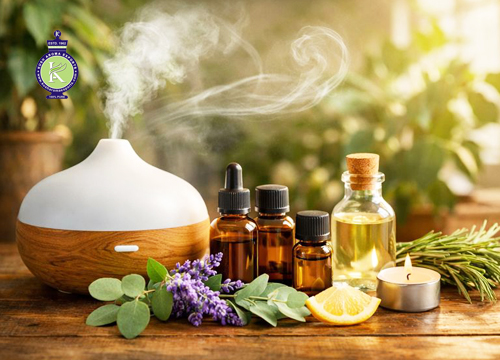
In our quest for comfortable, modern living, we’ve sealed ourselves into spaces that often trap more pollutants than the air outside. From dust and pet dander to chemical fumes and airborne germs, indoor air quality directly affects our energy, focus, and long-term health. Rather than relying on synthetic sprays or air fresheners, many are turning to a purer, plant-powered solution: essential oils. This guide explores how certain essential oils—especially advanced extracts like Rosemary CO₂—can naturally purify your air, neutralize odors, and support respiratory wellness, helping you create a home that’s not only fresh but truly healthy.
Why We Can’t Ignore the Air We Breathe Indoors
Closed environments concentrate a mix of invisible irritants:
- Household dust and mold spores
- Pet hair and dander
- Volatile chemicals from cleaners, paints, and furnishings
- Cooking odors and smoke
- Airborne bacteria and viruses
These pollutants are linked to headaches, allergy flare-ups, respiratory discomfort, fatigue, and poor sleep. Improving indoor air isn’t just about comfort—it’s a step toward vibrant well-being.
How Essential Oils Work as Natural Air Purifiers
Essential oils offer a multi-action approach to cleaner air:
- Odor Neutralization – They break down unpleasant smells on a molecular level, rather than masking them.
- Antimicrobial Action – Many oils have natural properties that help reduce airborne bacteria, viruses, and mold.
- Respiratory Support – Inhaling certain oils can help open airways and promote easier breathing.
- Emotional Uplift – Clean air isn’t just physical; refreshing scents can improve mood and reduce stress.
What Makes CO₂ Extracts Special?
CO₂ extraction uses pressurized carbon dioxide to pull beneficial compounds from plants, resulting in an extract that is:
- Richer in active ingredients
- Truer to the plant’s original scent
- Free of solvent residues
- Often more potent therapeutically
This method preserves delicate molecules that steam distillation can alter or lose, making CO₂ extracts especially effective for both air purification and skincare.
Rosemary CO₂ Extract: An Air-Cleansing Powerhouse
Rosemary has long been associated with clarity and purification. In its CO₂-extracted form, it becomes even more valuable for indoor environments.
Benefits for Your Air:
- Fights airborne germs – Its antimicrobial properties help cleanse the air of pathogens.
- Eliminates stubborn odors – Great for kitchens, bathrooms, and living areas.
- Enhances mental alertness – The invigorating aroma helps reduce fatigue and improve concentration.
- Supports respiratory function – Promotes a feeling of clear, easy breathing.
Plus, Skincare Perks:
Rosemary CO₂ extract isn’t just for the air. It’s also prized in skincare for its ability to:
- Combat acne-causing bacteria
- Soothe inflammation
- Regulate oily skin
- Promote a healthy, radiant complexion
This dual purpose makes it a favorite among natural wellness brands.
Other Essential Oils for Pure Indoor Air
- Eucalyptus – Clears stuffiness and adds a crisp, clean note.
- Tea Tree – A powerful cleanser, ideal for damp or musty spaces.
- Lemon – Cuts through grease and odors with a bright, uplifting scent.
- Lavender – Purifies while calming the mind—perfect for bedrooms.
- Peppermint – Revives stale air and boosts mental focus.
Simple Blends to Try at Home
- Clean & Clear Blend: Rosemary CO₂, Eucalyptus, and Lemon
- Calm & Fresh Blend: Rosemary CO₂, Lavender, and Sweet Orange
- Focus & Energize Blend: Rosemary CO₂, Peppermint, and Basil
Use 5–10 drops in a diffuser or mix with water in a spray bottle for a natural room mist.
How to Use Essential Oils to Refresh Your Space
- Diffusing: The easiest way to disperse oils into the air.
- DIY Sprays: Combine oils with distilled water and a little alcohol for a quick room spray.
- Steam Inhalation: Add a few drops to a bowl of hot water and breathe in the steam for respiratory relief.
- Cotton Ball Method: Place a few drops on cotton balls and tuck them in corners, drawers, or vents.
Why Indian CO₂ Extract Manufacturers Lead the Way
India’s rich biodiversity and expertise in herbal extraction have made it a global hub for high-quality CO₂ extracts. Manufacturers here combine sustainable sourcing with advanced technology to produce:
- Superior-purity Rosemary CO₂ extract
- A wide range of other botanical CO₂ extracts (like turmeric, ginger, and basil)
- Eco-friendly, solvent-free products that meet international standards
This commitment to quality and sustainability is why brands worldwide turn to Indian suppliers for their essential oil needs.
Conclusion
Clean indoor air is a foundation for a healthy home. By harnessing the natural power of essential oils—particularly potent extracts like Rosemary CO₂—you can eliminate odors, reduce airborne germs, and create an environment that supports both physical and mental wellness. As demand for pure, natural solutions grows, manufacturers, especially in India, continue to innovate, providing high-quality extracts that allow us to breathe easier and live better. Embrace plant-based air care, and let every breath you take indoors be a step toward greater vitality.
FAQs
Q: Which essential oils are best for improving air quality?
A: Rosemary CO₂ extract, Eucalyptus, Tea Tree, Lemon, Lavender, and Peppermint are among the most effective.
Q: Is Rosemary CO₂ extract safe to use daily?
A: Yes, when used as directed in a diffuser or diluted spray, it is safe and beneficial for daily air purification.
Q: Can these oils help with allergies?
A: Many oils have natural anti-inflammatory and antihistamine properties that may ease allergy symptoms, though they’re not a substitute for medical treatment.
Q: Why choose CO₂ extracts over regular essential oils?
A: CO₂ extracts often contain a broader profile of active compounds, offer a truer aroma, and can be gentler and more effective in both aroma and topical applications.
Q: Are these oils safe around pets?
A: Some oils can be sensitive for pets. Always research pet safety, ensure good ventilation, and consider consulting a vet if unsure.