Browsing Category

Essential oils

Essential oils
Essential oils, Essential Oils Benefits, Essential Oils Supplier, essential oils vs fragrance oils, skin care

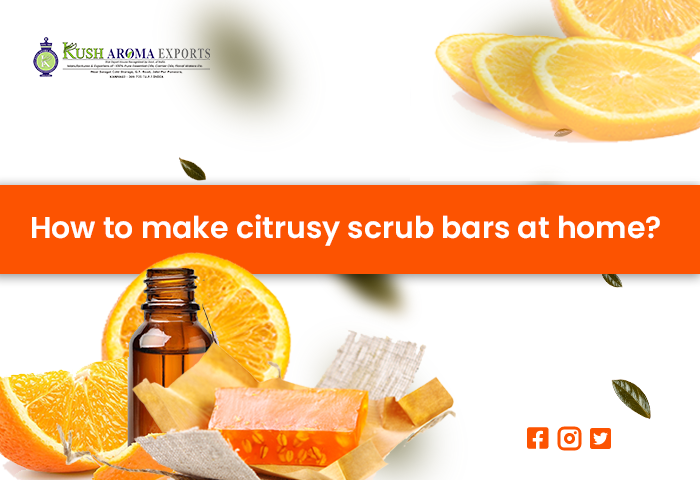
How to Make Citrusy Scrub Bars at Home?

Everybody dreams of finding a single skincare item that would seamlessly hydrate, exfoliate, wash, and nourish their skin. The days of using a body wash and a sugar scrub for your skin are also over because it’s now possible to mix the two into a fantastic scrub soap that will do the job flawlessly.

A handmade scrub soap bar gives your skin a spa-like experience when you use it all over your body. This exfoliating scrub soap’s sugar or salt gently exfoliates skin, while the soap base completely cleanses it and the essential oils moisturise it, giving you radiant, refreshed skin.

What is a scrub bar?

Making DIY scrub bars is a simple and enjoyable project for both beginning and seasoned crafters. They are made with oil, sugar, or salt, and Melt & Pour Soap Base. The mixture is quickly completed before being poured into the mould. These soap scrubs exfoliate, cleanse, and moisturise the skin unlike any other product.

Scrub Soap Bars Recipe

Making scrub soap bars is not difficult or time-consuming. The fact that you can choose exactly what goes into these DIY scrub soap bars is their best feature. Make your own scrub bars at home using natural, non-toxic ingredients that restore and nourish dry, dull skin rather than synthetic parabens or silicones.

Exfoliating and moisturising cleansers like sugar scrub bars help to get rid of dead skin cells while also nourishing the skin. They were made using just a few simple ingredients that were already in the house. Since the recipe is very adaptable, you can change the ingredients to suit your preferences and needs.

Ingredients for homemade sugar scrub bars

To begin the process of making soap, gather the following ingredients:

  • 1/2 cup, shredded or cubed, Melt and Pour Soap Base
  • 3–4 drops of your preferred essential oil
  • 100 ml Sugar
  • Coconut Oil, 1/4 cup
  • Selective Silicone Mold
  • Making Sugar Scrub Bars at Home

Use a double boiler to melt your chopped soap base. If you don’t have a double boiler, you can melt the ingredients in the microwave in intervals of 15 seconds while stirring.

  • Add the essential oil after thoroughly blending in the coconut oil.
  • Add your coloured mica and combine until the colour is uniform.
  • Add the sugar and mix thoroughly. The soap base should have a slushy-like consistency.
  • Pour into moulds, then wait a couple of hours to remove them.

How do you use it?

Applying soap to wet skin requires rubbing the soap bar over the area. To exfoliate your skin, gently massage the sugar soap onto it. For best results, let it rest on the skin for a few minutes. Use warm water to rinse.

Recipe for Salt Scrub Bars

A salt-based soap Scrubs soap bar is an exfoliating soap bar that aids in clearing the skin of dead skin cells, toxins, and impurities. Warm water causes the salt in this scrub soap to melt, leaving a Himalayan salt bar that is lusciously smooth and creamy with only a light exfoliation.

DIY Salt Scrub Bars Ingredients

  • 1/2 pound of your preferred Melt and Pour soap base
  • one tablespoon of sweet almond oil
  • 10 drops of your preferred essential oil
  • Pink Himalayan salt, 3 teaspoons
  • 1-2 drops of soap colouring substance
  • Mold for Silicone Soap

Technique for Making DIY Salt Scrub Bars

  • Put the squares of the soap base in a bowl that can go in the microwave first.
  • After that, heat until melted for 30 seconds at a time.
  • Then pour the sweet almond oil into the bowl and fully incorporate it.
  • Add a few drops of the essential oil of your choice to the same location.
  • Add the soap colouring pigment of your choice.
  • Now sprinkle a small amount of salt on the soap mold’s base.
  • Carefully pour the soap mixture into the mould.
  • After that, sprinkle a little salt on top of the soap. The salt is what gives these scrub bars their exfoliating properties.
  • Last but not least, let it sit for at least an hour to harden. When not in use, gently remove and store in an airtight container or zip-top bag.

Uses for scrub soap bars

Apply a salt scrub in circular motions to your entire body. When you have thoroughly cleaned your body, let the water wash it all away. I’m done now! After using a salt scrub, moisturise with a body oil because the skin is still quite fresh and requires some moisture.

Reasons to Use Scrub Soap Bars

Handmade body scrubs and soap bars remove dead skin cells while also promoting improved blood circulation, clearer skin, and the removal of impurities. The capacity of your skin to absorb moisturisers is enhanced by these scrub soaps. Any moisturiser applied later on will penetrate the skin more deeply after removing dead skin cells. They’ll aid in pore cleaning and prevent ingrown hairs.

Conclusion

Making scrub soap is a happy and enjoyable task. You can make your own handcrafted scrub soaps that exfoliate, moisturise, and nourish your skin using just a few basic ingredients. You can make homemade scrub soaps by following the provided instructions even if you’re unsure of the ingredients to use.

essential oil exporters in delhi
Essential oils, Essential Oils Benefits

The Miraculous Benefits Of Vitamin E Oil  

The skin-care magic elixir you may have been searching for all this time is vitamin E oil. It has a high vitamin content and is very good for the skin. To get its benefits, you can either mix it with various creams, lotions, and gels or apply it directly to your skin. 

Numerous anti-aging cosmetics and skincare products use vitamin E oil as their main ingredient because of its anti-aging, moisturizing, and skin-healing qualities. Let’s talk about how vitamin E oil improves your complexion and aids in the treatment of various skin issues. There are various Essential Oil Manufacturers in Mumbai, Delhi and especially Kannauj, the perfume city of India, which is also known for their purity and royalty.  

Is Vitamin E Oil Effective for Skin Conditions? 

Antioxidants, anti-inflammatory, and anti-aging properties are just a few of the qualities that vitamin E oil possesses that can improve the health and appearance of your skin. It promotes wound and scar healing, keeps wrinkles and fine lines at bay, moisturizes skin, and lessens the signs of numerous skin conditions. Your skin will become younger and healthier thanks to its anti-aging and anti-acne properties. 

Benefits Of Vitamin E Oil For Skin 

In addition to moisturizing and preventing scarring, vitamin E oil has a number of other advantages for our skin. For instance, it helps to reduce skin irritation brought on by various skin conditions or insect bites, promotes nail growth and wound healing, and shields the skin from UV light. 

Several Advantages Come From Applying Vitamin E oil to your Skin: 

Promotes Faster Skin Healing: Vitamin E oil can be directly applied to the area surrounding the wound. The oil’s antioxidant properties can help a wound heal more quickly and avoid scarring. Many medical professionals advise using it as a topical burn treatment and after skin surgery. 

Reduces Fine Lines & Aging Signs: As life becomes more stressful, fine lines and wrinkles begin to appear at a very young age. Vitamin E oil’s anti-aging properties can delay the onset of wrinkles and fine lines on your skin. Additionally, it can hydrate your skin and give you a younger appearance. 

Helps With Skin Inflammation: When applied to the skin, vitamin E oil has a calming and cooling effect, relieving itchiness, irritation, and inflammation brought on by a variety of skin conditions. Additionally, it can aid in easing the signs and symptoms of a few skin conditions, including psoriasis, eczema, and atopic dermatitis. 

Natural Sunscreen: Vitamins E and C work in tandem to protect your skin from UV rays and sunlight by acting as a sunscreen. However, you can directly apply vitamin E oil to sunburns if you continue to get them. Your skin will be cooled, and the dry, flaky sunburned area will be moisturized. 

Lightens Dark Spots & Pigmentation: This oil can lessen hyperpigmentation, or darker skin tone, which is brought on by an increase in melanin production and is also known as melasma. Melasma can be treated with vitamin E oil applied topically. Additionally, it assists Vitamin C in shielding your skin from UV ray damage. 

All Skin Types Can Use Vitamin E Oil: Homemade DIY Recipes 

You can apply vitamin E oil directly to your skin or mix it with various creams, gels, and lotions. You have two options: leave it on overnight or apply it for 15 to 30 minutes before washing it with warm water. 

Recipe 1: Almond Oil And Vitamin E Oil For Scars 

Almond oil benefits the skin by acting as an antioxidant. Additionally, it contains vitamin E, which aids in hydrating and moisturizing the skin. Additionally, it has anti-inflammatory properties that aid in wound healing and prevent the formation of scars on the skin. 

Ingredients: 

10 Drops of Sweet Almond Oil 

Oil of Vitamin E, two drops 

Directions: 

Step 1: In a bowl, mix 1:5 portions of almond oil and vitamin E oil (for every 2 drops of vitamin E oil, pour 10 drops of almond oil). 

Step 2: Mix it thoroughly before putting it on your skin. 

Step 3: Apply the mixture to your face and rub it in a circular motion.  

Step 4: Do not wash it off until the following morning. 

How Often To Apply: You can leave it on overnight or apply it daily directly to the scars. Within two to three weeks, you can see the results. 

Conclusion 

In conclusion, Vitamin E oil is a fantastic all-natural remedy that solves all skin issues without causing any negative side effects. All you have to do is use it appropriately, as we’ve already explained above. Then, simply read through these recipes, give them a try, and observe how your skin issues gradually start to improve. 

Essential Oil Wholesalers in Kannauj
Essential oils, Essential Oils Supplier

Essential Oils For Your Weightless Journey  

It is asserted that maintaining a healthy weight requires both exercise and a healthy diet. You can also use a few other strategies, one of which is using essential oils, to accelerate your weight loss. 

Although essential oils are well known for their many health benefits, did you know that they can also help you lose weight? Research suggests that inhaling, diffusing, or massaging a few specific essential oils can help decrease cravings, boost energy, and quicken weight loss. Some of these essential oils may not be available locally but are easily available at Essential Oil Exporters. Try buying essential oils online to avoid any extra hassle.  

Essential Oils to Lose Weight 

The all-natural cure is essential oils. There are some essential oils that can speed up your metabolism and others that can suppress your appetite when it comes to weight loss. 

1. Basil Essential Oil 

If you produce too much cortisol, the stress hormone, you may put on weight and experience a number of other health issues. Basil essential oil can help with anxiety and tension in the mind, which can result in weight gain and difficulty losing weight. 

Using basil essential oil can help you manage stress and anxiety. The key to choosing the best essential oil for weight loss is figuring out what’s impeding your progress and getting rid of that obstacle. Try massaging it after adding one to two drops of the essential oil to a cup of carrier oil.  

2. Grapefruit Essential Oil 

There are fat-burning properties in grapefruit essential oil. It contains potent components that support a healthier metabolism and clean lymphatic glands so they can carry nutrients to your cells. The body’s enzymes are activated by grapefruit essential oil, which helps with fat metabolism. 

For weight loss, massaging grapefruit essential oil onto your stomach may help reduce dangerous belly fat and waist circumference. By adding one to two drops of grapefruit essential oil to a cup of carrier oil or dabbing two drops on your abdomen, you can also use it to reduce appetite. 

3. Essential Oil of Rosemary for Weight Loss 

By lowering cortisol levels, which rise during times of intense stress and anxiety, rosemary essential oil, which is rich in antioxidants and a natural anti-inflammatory, helps with weight loss. Stress levels that are too high can also lead to unwelcome weight gain and emotional eating. 

When cortisol levels are consistently high, extra glucose is produced, and this higher blood sugar makes it more difficult to lose stubborn abdominal fat. After 5 minutes of sniffing rosemary essential oil, the stress hormone cortisol was reduced by up to 23%. 

4. Juniper Berry Essential Oil

By consuming fewer processed foods in the right amounts, you can support weight loss and maintain a healthy weight. Juniper berry essential oil elevates your mood by energizing your spirit and mind.  

If you rely on willpower to avoid bad foods, try diffusing some high-quality juniper berry essential oil using a nebulizing diffuser. This strategy can be applied to prevent nighttime snacking and binge eating. This is a longer-term strategy for instilling wholesome eating habits in your body. 

5. Lavender Essential Oil

The use of lavender essential oil promotes restful sleep, stress relief, and relaxation. When we are anxious, we tend to reach for our favorite fatty comfort foods and are less likely to visit the gym or get enough sleep. Additionally, it might lessen unhealthy appetites. 

The lavender essential oil may be very useful if these are your issues. When we smell wonderful scents, we drool and crave fulfillment.  

6. Ginger Essential Oil 

One of the best essential oils for losing weight is ginger because it improves digestion, lowers inflammation, and lessens the desire for sugar. This is one of the factors that contribute to ginger’s popularity as an anti-nausea agent and the provision of ginger treats by some restaurants to their patrons. 

A thermogenic substance, such as ginger essential oil, can also aid in weight loss and accelerate metabolism. You can massage your stomach with two drops of ginger essential oil in a cup of carrier oil, add two to three drops to a warm water bath, or simply inhale it straight from the bottle.  

7. Turmeric Essential Oil

Everyone is aware of how crucial metabolism is to weight loss. Your calorie burn is insufficient if your metabolism is slow. The blood levels of adiponectin are increased, and the metabolism is boosted by turmeric essential oil. 

Use turmeric essential oil if you want to achieve your weight loss goals and develop new levels of confidence. Adiponectin levels must be high when your body is attempting to evict that stubborn tenant known as extra body fat. 

8. Tangerine Essential Oil 

Your body’s metabolism can be accelerated with the help of the tangerine essential oil, enabling you to burn extra fat cells before they multiply excessively and contribute to weight gain. Increased digestion may be helped by tangerine essential oil.  

You’ll be able to quickly and efficiently break down food while maintaining a healthy balance of the digestive juices and natural acids in your stomach. You’ll generally feel less bloated and free of indigestion. However, how well you eat will determine this.  

9. Sandalwood Essential Oil

Improves stomach and intestinal health and tones the digestive system with sandalwood essential oil. By supplying your digestive system with healthy gut flora for optimum performance, this incredibly simple procedure may aid in weight loss.  

Sandalwood reduces emotional eating, which prevents overeating. When do you most frequently curl up with some ice cream or a decadent piece of cake? During these vulnerable times, the scent of the oil keeps you focused, preventing you from stuffing your face with cake and gaining weight. 

10. Cinnamon Bark Essential Oil

A multi-tasking powerhouse, cinnamon essential oil can aid in weight loss. By balancing blood sugar levels, it reduces food cravings, speeds up digestion, and improves metabolism, all of which contribute to overeating. 

It is excellent at reducing cravings and hunger by controlling blood glucose levels and the glucose tolerance factor (GFT). By lowering particular digestive enzymes that delay glucose digestion, the cinnamon essential oil can also improve the health of your gut. 

DIY Weight Loss Recipes with Essential Oils 

There’s always been interest in losing weight, and chances are you know someone who wants to do so. Clinical studies have demonstrated that using essential oils and aromatherapy to lose weight can lower sugar cravings.  

Weight Loss essential oil Blend for diffuser 

Blends for diffusers are ideal to use in the morning or evening. They have an extended impact on you. With the help of this mixture, you can put an end to all of your impulsive hunger pangs. 

Ingredients: 

Three drops of grapefruit essential oil 

3 drops of lemon essential oil 

One drop of peppermint essential oil

One drop of basil essential oil 

Directions: 

When adding oils to your cold air diffuser, abide by the manufacturer’s instructions.  

Your brain will be informed that you are full by the aroma! Indeed, I do! 

How Do You Use Essential Oils for Weight Loss? 

Topical Application: To benefit, massage the oil into the soles, arms, legs, or stomach of your feet. When using essential oils that reduce the number of cells in the body that store fat, focus on the areas that are most prone to fat. 

Diffuser: Using an essential oil diffuser while exercising is advantageous. Even if you dislike strenuous exercise, you’ll enjoy working out because of the fragrant qualities of essential oils, which promote well-being. 

Conclusion 

Essential oil is like a trustworthy friend who goes above and beyond for you. These priceless plant-based extracts contain strong, organic chemicals that help burn fat, speed up metabolism, improve well-being, revitalize the body, and many other things. 

essential oil manufacturers in Kannauj
Essential oils

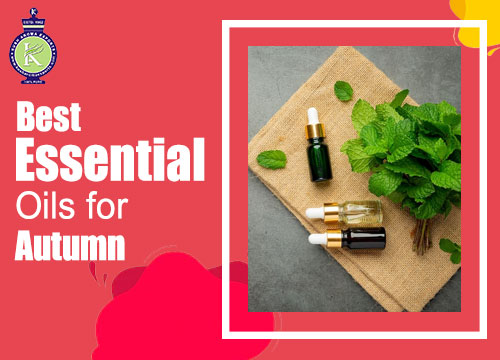
Best essential oils for Autumn

Autumn essential oils offer cozy fall fragrances and natural scents that you can enjoy all season long – without the use of synthetic fragrances or toxins. These fall essential oil diffuser blends are simple to make. You’ll also discover how to make your own DIY essential oil blends at home. 

Essential oil diffuser blends for autumn 

These fall essential oils will infuse your home with the signature seasonal scent. To create those distinct autumn aromas, we use cinnamon, nutmeg, and clove. So, let’s find out how to add fragrance to your home naturally! These essential oils are very easily available at essential oil manufacturers in Kannauj which is also known as perfume city of India.  

You can also buy essential oils online to avoid any hassle.  

6 Easy-to-Make Essential Oil Blends for Fall 

My fall essential oil blends are fragrant and reminiscent of your favorite fall flavors: pumpkin spice, apple pie, crunchy autumn leaves, crisp fall air, cozy sweaters, and sunny walks in the woods. From now until Christmas, these seasonal essential oil blend recipes are ideal for diffusing and DIY home fragrance projects. 

1) Diffuser Blend Pumpkin Spice 

4 teaspoons cinnamon bark 

2 tsp nutmeg 

2 tsp ginger 

1 drop clove 

1 cardamom drop 

2) Apple Pie Diffuser – Scents of warm essential oils 

4 teaspoons cinnamon bark 

2 clove drops 

1 tsp nutmeg 

3) Fall Forrest – A soothing autumn diffuser blend 

3 cedarwood drops 

2 drops of fir 

1 pine drop 

1 teaspoon cinnamon bark 

1 clove drop 

4) Autumn Leaves – A wonderful essential oil blend with a fall scent. 

2 cypress drops   

2 frankincense drops   

1 bergamot drop   

1 teaspoon cinnamon bark 

5) Clean Air 

2 drops orange sweet 

1 lemon drop 

1 cardamom drop  

6) Sweater Weather – A comforting diffuser blend 

2 pine drops 

2 eucalyptus drops 

1 teaspoon cinnamon bark 

1 tsp ginger 

The best autumn essential oils 

What essential oils are appropriate for the fall season? Spice essential oils like cinnamon or clove, as well as conifer essential oils, will set the mood and give your home an inviting autumn scent. Let’s learn more about the aromatherapy benefits of essential oils now that we’ve learned 6 fantastic fall essential oil blend recipes. 

Essential oils of spices 

Our autumn essential oil diffuser blends are dominated by warm fall scents. What would autumn be without pumpkin spice and apple pie, after all? My DIY essential oil blends are infused with a variety of invigorating fall aromas. 

Cinnamon bark oil is a traditional fall fragrance that promotes relaxation. The therapeutic properties of the oil can also help with respiratory health. Cinnamon essential oil recipes have a warm and inviting aroma. 

Clove has a powerful, spicy aroma that is both energizing and stimulating. 

Warming nutmeg and ginger help to relieve stress and anxiety. Furthermore, these EOs are ideal for pumpkin essential oil. 

In our fall diffuser recipes, cardamom is a sophisticated fragrance that creates a soothing atmosphere. 

Essential oils from conifers 

Warm and woodsy scents evoke autumnal walks in the woods. Conifer essential oils are the longest lasting and provide a base note for our autumn essential oil blends. 

Fir essential oil’s balsamic scent is very refreshing, improves focus, and boosts energy. 

Pine oil, like fir oil, is a mood-improving and uplifting essential oil that is especially beneficial during the winter months. 

Cypress eases the transition from one season to the next and aids in the transition from summer to autumn.

The scent of cedarwood is soothing and calming, making it an excellent aid to stress relief and meditation – ideal when you need essential oils for relaxation. 

Essential oils of citrus

Orange, lemon, and bergamot essential oils are popular throughout the year for their refreshing top notes. These citrus essential oils add a fruity note to the mix, similar to apple cider or baked apples.

Lemon oil has an energizing, cleansing, and mood-supporting scent. 

Joyful sweet orange can aid concentration and is included in our homemade essential oil blends. 

Bergamot has a complex fragrance that ranges from sweet and floral to tangy and citrusy. 

Diffusers for fall essential oil blends 

Shop the products used to diffuse fall essential oils by clicking on the links below. 

Fall essential oils – All of the essential oils mentioned in this article, as well as others, can be found in my Amazon store.

ultrasonic diffuser – This aroma diffuser is ideal for safely diffusing essential oils in your home or workplace. 

mini portable essential oil diffuser – A mini portable essential oil diffuser is ideal for the office or on the go.

Diffuser reeds – Rattan diffuser reeds are ideal for scenting every room in the home. 

glass diffuser bottles – These clear glass diffuser bottles are intended for essential oil diffusion. 

Mini milk glass bottles are the ideal container for gifting your homemade essential oil diffuser blends. 

Making Autumn Essential Oil Diffuser Blends  

Here are some suggestions for creating your own autumn essential oil blends:  

Begin with 1 drop of each essential oil you intend to use in your fall blend.  

Close your eyes and take a deep breath. Do you like this pairing? Is a fragrance too strong or too weak? 

Add essential oils one drop at a time, smelling after each addition.   

Keep in mind that the fragrance will be diffused. Smell the essential oils from a few inches away to get an accurate impression of their composition. When tested too closely, the fragrance may appear overpowering.  

Wild Crafted essential oils
Essential oils, Essential Oils Benefits, Essential Oils Supplier, Wild Crafted Essential Oils

Essential Oils to treat Mosquito Bites

It is difficult to protect ourselves from impurities, bacteria, and insects in today’s environment. The conditions everywhere have made it more difficult to protect ourselves from insect bites or mosquitoes. Mosquitoes, by nature, transmit a variety of diseases to humans. Such diseases are harmful and raise the body’s temperature.

There are some simple ways to protect ourselves from mosquitoes. Saving ourselves, in particular, from mosquito bites, which can cause problems later on in the body. Natural products, such as essential oils, can provide significant protection against mosquito bites. Please tell us more about the essential oils for mosquito bites and their benefits in the comments section of this blog. Also, all of these essential oils are very easily available at local essential oils producers with a purity assurance.

5 Essential Oils to Avoid Mosquito Bites

Mosquitoes are bothersome and irritate the skin. They may even be disease carriers. One method for dealing with mosquito bites is to use wild crafted essential oils. The top five essential oils for mosquito bites are listed below.

Essential Oil of Peppermint for Mosquito Bites

Peppermint oil is a minty herb that gives mosquito bites on the body a cooling sensation. The anti-inflammatory properties of peppermint essential oil make it ideal for relieving pain and irritations of all kinds, including itchiness, swellings, and allergic reactions. The cool minty sensation soothes mosquito bites and provides immediate relief.

Essential Oil of Thyme

Thyme essential oil is a powerful traditional medicinal herb that is both antiseptic and anti-inflammatory. Thyme essential oil aids in the elimination of harmful diseases and mosquitoes from the environment, as well as the improvement of blood circulation. When diffused, the oil helps to keep insects and mosquitoes at bay.

Mosquito Bites Basil Sweet Essential Oil

Basil sweet essential oil is an antiseptic, and it can be used to treat a cold, cough, insect bites, sinusitis, and other ailments. The oil helps to reduce inflammatory reactions that are caused by mosquito bites or other insects. The fragrance of the oil kills all unwanted bacteria and repels mosquitoes, which cause itchiness and swellings on the skin.

Essential Oil of Lemon

The oil relieves sinus allergies and reduces mosquito-caused swellings. Lemon oil effectively repels mosquitoes while also assisting in the treatment of problems caused by seasonal allergic bacteria. The oil provides cooling relief and keeps unwanted insects at bay.

Essential Oil of Lavender

The lavender essential oil has a sweet lavender scent. It is one of the most useful oils that people use for a variety of purposes. The oil contains antioxidants and anti-inflammatory properties that can be used to treat itching and inflammatory allergies. Lavender oil also has insect repellent properties that help repel mosquitoes and prevent bacteria. Lavender oil is antibacterial and quickly relieves itchiness caused by mosquito bites..

Also Read : 7 Essential Oils For Monsoon 

How to Use Essential Oils to Treat Mosquito Bites

There are simple, effective methods for providing immediate relief from mosquitoes. To keep bugs and mosquitoes away from your home, simply make a natural essential oil repellent. Other than oils, the methods include some ingredients that help to relieve mosquito bite pain right away. Let’s look at some essential oil uses for mosquito bites below.

MOSQUITO REPELLENT SPRAY

To make a mosquito repellent spray, start with equal parts witch hazel and then double the amount of water. Add 10 to 15 drops of essential oils of your choice after thoroughly mixing the ingredients. Shake vigorously a spray container halfway full of the total mixture. The spray is now complete and ready for use. Ensure that the essential oils are distributed evenly throughout the spray bottle.

MAKE YOUR OWN MOSQUITO PAIN RELIEF OINTMENT

To make a mosquito pain relief ointment, simply combine the beeswax and coconut oil. After stirring the mixture, set it aside to cool. Add 10 to 15 drops of your favorite essential oil, such as lavender, lemon, or peppermint, once the mixture has cooled. After thoroughly mixing the mixture, place it in the refrigerator. Mix or shake the ingredients thoroughly before using. This mosquito pain relief ointment is suitable for all skin types.

Essential Oil Manufacturer in Kannauj
Essential oils, health care

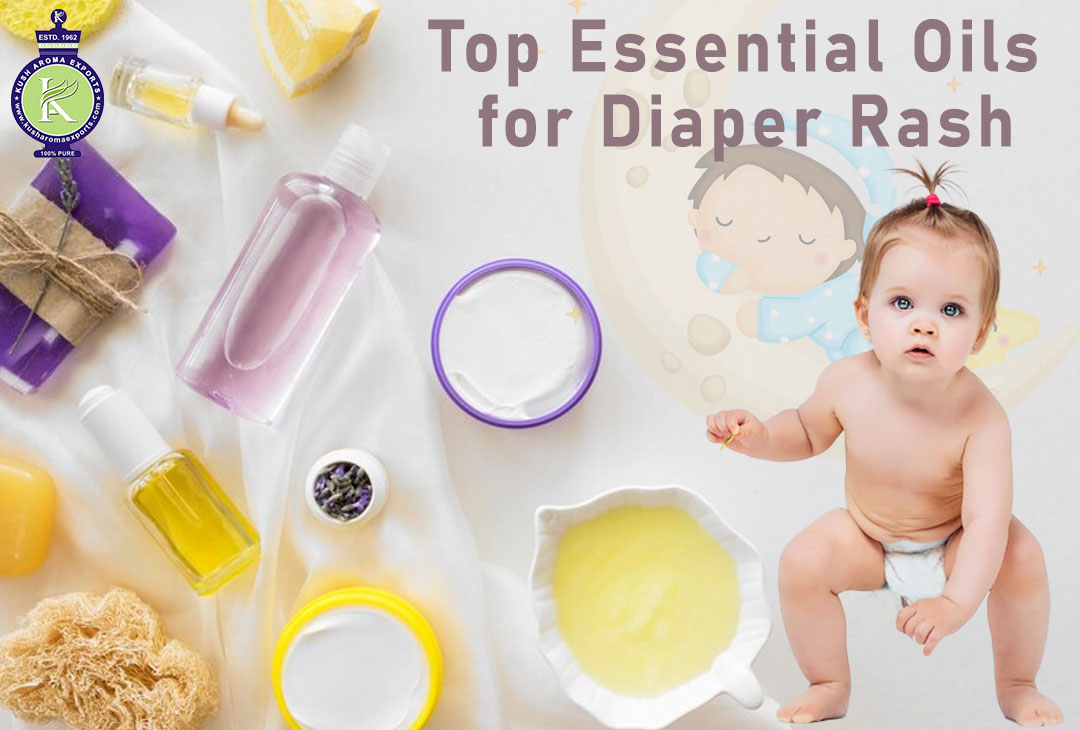
Top Essential Oils For Diaper Rash  

Diaper rash is one of the most common skin concerns babies face, causing redness, irritation, and discomfort around the diaper area. While it’s often unavoidable, parents are always on the lookout for safe and effective remedies to soothe their baby’s sensitive skin. Among the many natural solutions, essential oils for diaper rash stand out for their healing, anti-inflammatory, and antibacterial properties. Oils like tea tree, lavender, frankincense, lemon, and chamomile not only help calm irritation but also promote faster healing and protect delicate skin. In this blog, we’ll explore the top essential oils for diaper rash, how to use them safely, and simple DIY recipes you can try at home to keep your baby’s skin soft, healthy, and rash-free.

5 Essential Oils for Diaper Rash 

Although diaper rashes are common, this does not mean they are not dangerous. You should not disregard them because essential oils for a baby’s skin have numerous beneficial properties. Let’s treat diaper rashes in the comfort of your own home with essential oils. 

1. Tea Tree Essential Oil

Tea Tree Essential Oil, also known as melaleuca, is one of the most widely used essential oils in the world and is well known for its powerful disinfectant properties. This essential oil should be owned by everyone. 

It has antimicrobial, antiviral, antifungal, and antibacterial properties, as well as being an effective antiseptic. Tea tree essential oil is more effective than other essential oils for diaper rashes caused by yeast infections. 

2. Lavender Essential Oil

Lavender essential oil, which is calming and relaxing, works wonders on the red, itchy skin around the rash. It is a staple in natural first aid kits because it boosts immunity and treats diaper rash effectively. Lavender essential oil for diaper rash is the best solution to heal the rash naturally on a baby.

It promotes faster healing and relief by assisting with skin disinfection, reducing discomfort, and improving blood circulation. Antibacterial, antifungal, antiseptic, and antimicrobial properties are also found in lavender essential oil. 

Read more for How to make Lavender Mint Candles at Home?

3. Frankincense Essential Oil

 This is Crowd’s favourite baby essential oil, and I use it to make everything from baby hair oil to baby massage oil to, of course, baby diaper rash ointment. It also contains powerful antioxidants, which aid in the healing process. 

All skin conditions, including diaper rashes, respond exceptionally well to frankincense essential oil, which is safe for infants to use. It helps reduce swelling and pain in the affected area due to its amazing anti-inflammatory properties. 

4. Lemon Essential Oil 

This essential oil has antibacterial, antiseptic, bactericidal, tonic, astringent, and exfoliating properties. Lemon essential oil contains antioxidants that can help repair and protect the skin. 

Lemon Essential Oil has antibacterial, antifungal, and disinfectant properties. When combined with a cream, ointment, or salve, it can help heal diaper rash. The use of this essential oil on a regular basis will improve the health of a baby’s skin. 

5. Chamomile essential oil

You’re about to discover how chamomile essential oil can help treat diaper rash as well as its well-known ability to induce sleep and soothe upset stomachs.  

It has anti-inflammatory properties and aids in the treatment of skin conditions common in infants, such as heat rashes, eczema, hives, cradle cap, and others. Consider including chamomile essential oil in your arsenal of all-natural infant medicines. 

Ingredients: 

4 tablespoons virgin coconut oil 

5 drops of Chamomile Essential Oil 

5 drops of lavender essential oil  

4 Tablespoons Bentonite Clay 

4 Tablespoons Zinc Oxide 

1/2 cup shea butter 

Directions: 

Step 1: Combine shea butter and coconut oil in a double boiler. Melt in the heat. 

Step 2: Stir in the zinc oxide. 

Step 3: Stir in the bentonite clay. Add the essential oil and mix well. 

Step 4: Transfer to a Mason jar with a lid. 

Step 5: It will be good for a year. 

While a carrier oil can be used in place of dilution in this recipe, it is still critical to dilute essential oils for diaper rash before applying them directly to the baby’s skin because they carry a significant risk of life-threatening allergic reaction. After diluting it and performing the patch test, you can safely rub it on the infant’s skin. 

How Do You Use Essential Oils to Treat Diaper Rash? 

Now that you know which essential oils are effective for treating diaper rash, it is critical to understand how to use them correctly. 

You can make a natural and secure baby powder without talc by combining maize flour or arrowroot starch with one or more of the essential oils listed above, which you can then apply to the diaper area to help relieve diaper rash. 

To make a cream that is safe to use and does not contain any harmful ingredients, combine cocoa butter or coconut oil with the essential oils listed above. Apply the mixture to the affected area liberally. 

Finally, you can make a spray with coconut oil, aloe vera gel, and any of the essential oils mentioned above to help soothe red, irritated skin caused by diaper rash. After putting the mixture into a spray bottle, spray it after each diaper change. 

Even the most severe diaper rash for your child can be treated safely and effectively with natural alternatives. 

Before purchasing commercial diaper rash treatments, consider the benefits of using essential oils to naturally calm and protect the skin. 

Essential Oils
Essential oils, Essential Oils Benefits, Essential Oils Supplier

Top Essential Oils for Constipation

Constipation is a widespread problem that affects millions of people worldwide. Constipation can cause issues such as strain or pain while passing stool, stomach ache, gastric problems, and fewer bowel movements. Other health conditions, such as irritable bowel syndrome, stress, and previous colon surgery, can also be the cause of such digestive disorders.

Essential Oils for Constipation

Essential oils are chemical compounds derived from plants that are highly concentrated. It may be beneficial to use Essential Oils for Constipation because it relaxes the body and encourages muscle contractions, allowing the digestive system to function properly. All the fore-mentioned essential oils are very easily available at essential oil wholesalers in any desired quantity.

Benefits of Using Essential Oils for Constipation

When used correctly and in appropriate quantities, certain essential oils can be effective in easing bowel movement and treating various digestive problems.

Promotes Gut Health Bacteria: The bacteria in the gut help the digestive system function by breaking down food particles. These bacteria, with the help of essential oils, improve nutrient absorption and treat constipation.

Toxins are flushed out: Essential oils protect the body from bacteria and fungi that cause digestive problems. It also helps the human digestive system by flushing the body of toxins and waste.

Allows for Easier Bowel Movement: Constipation can result in painful and straining bowel movements.

The use of essential oils provides relief from stomach aches and other gastric problems caused by constipation.

Top 10 Essential Oils to Help with Constipation

Essential oils are plant extracts that effectively help to relieve constipation and other digestive issues. The following are some of the best Essential Oils for the human digestive system:

Fennel Essential Oil

Fennel Seed Essential Oil is extracted from the seeds of the plant Foeniculum vulgare. It has a licorice flavor and aroma that is popular in aromatherapy and steaming massages. Due to its excellent properties, It is mostly used to treat stomach problems.

Fennel Seed Oil contains a Phytotherapic compound that aids in bowel movement. This Saunf Oil also has antispasmodic properties that can help with cramps, gastric problems, and constipation.

Peppermint Essential Oil

The peppermint plant yields peppermint essential oil. It contains menthol, which gives it a very refreshing aroma. Peppermint Essential Oil’s fragrance is widely used in therapies and medicines. Peppermint oil contains menthol, which helps to relieve digestive cramps.

Peppermint Essential Oil has antispasmodic properties that relax the digestive tract muscles and allow for easy bowel movements. Peppermint oil contains monoterpene compounds that aid in the treatment of irritable bowel syndrome and provide relief from the pain associated with constipation.

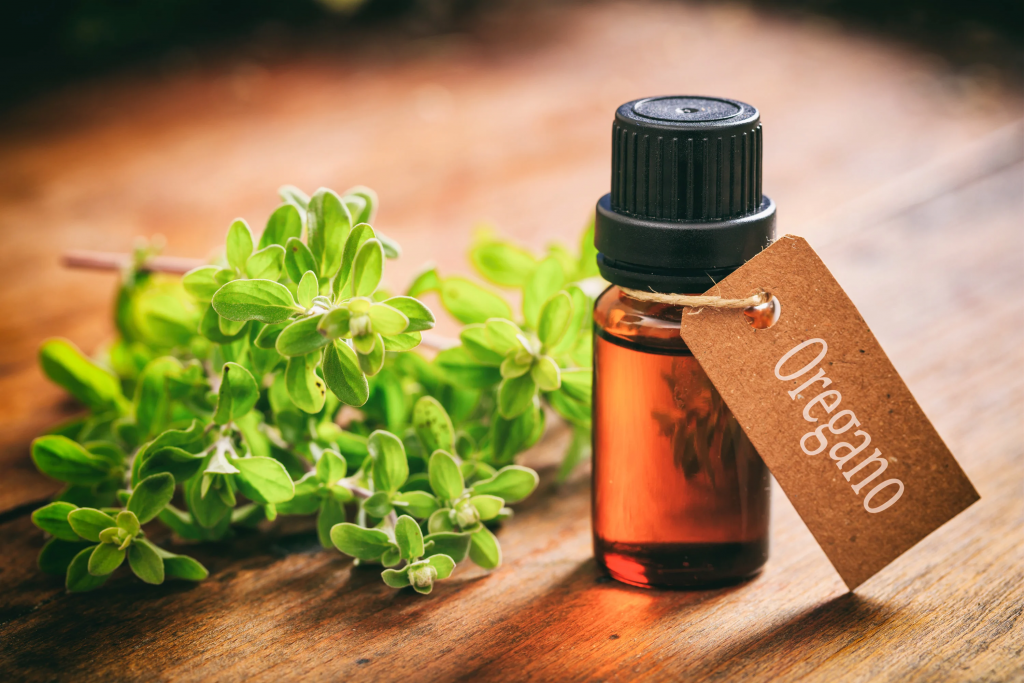
Oregano Essential Oil

The essential oil of oregano is extracted from the plant’s leaves or shoots. Because of its sharp and herbaceous fragrance, it is widely used in medicines and therapies. It shields the gut wall from damage and protects it from a variety of health problems. It also aids in the relief of indigestion and gastrointestinal illnesses.

Oregano Essential Oil relieves constipation by increasing bile flow and fighting off attacks from bacteria, viruses, fungi, intestinal worms, and other pathogens that cause digestive disorders. It is also useful in treating constipation caused by inflammatory bowel disease.

Ginger Essential Oil

Ginger essential oil is extracted from the ginger plant’s roots. It has a distinct pungent odor and is used to treat nausea and headaches caused by digestive disorders. Ginger Essential Oil stimulates gastric motility and alleviates bloating and gastric problems.

Because it has digestive stimulating properties, ginger essential oil is excellent for preventing and treating constipation. It also helps to prevent constipation symptoms such as vomiting, muscular contractions, migraines, and dizziness.

Rosemary Essential Oil

The Rosemary plant is used to extract Rosemary Essential Oil. It is a part of many treatment processes and aromatherapy due to its magical properties. Organic Rosemary Essential Oil relieves a variety of gastrointestinal disorders such as indigestion, gas, bloating, and stomach cramping. It also helps stimulate the creation of bile, which plays a crucial role in digestion. It has a spasmolytic effect, meaning it relaxes the muscles and p

Chamomile Essential Oil

Chamomile Essential Oil is derived from the flowers and leaves of the chamomile plant. It has a slightly woody and herbaceous aroma and is used to relieve stress and anxiety. It also relieves headaches and muscle pain. It promotes better digestion by lowering the risk of certain gastrointestinal conditions.

Chamomile Essential Oil aids in the relaxation of abdominal muscles. It also aids in the treatment of constipation by promoting the growth of beneficial bacteria in the gut. Chamomile oil improves food motility in the digestive tract and relieves bowel discomfort.

Turmeric essential Oil

Turmeric Essential Oil is extracted from Turmeric plant rhizomes. Turmeric oil aids the body’s natural digestive function. Various aromatherapists extensively use turmeric essential oil in aromatherapy because of its magical properties.

Turmeric essential oil has a significant impact on digestion. It alleviates constipation and indigestion by rebalancing the gastrointestinal bacteria. Turmeric oil contains antioxidants, which are beneficial to the digestive system.

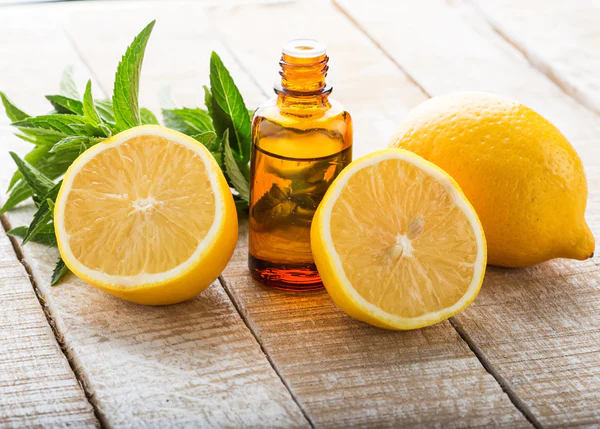
Lemon essential oil is extracted from lemon zest or peel. It has a strong, citrusy scent that is quite refreshing. This fragrance is commonly used in aromatherapy to treat nausea, headache, migraine, and other symptoms of constipation.

Lemon Essential Oil

Lemon essential oil is high in antioxidants, which aid in digestion and inflammation reduction. It also has pain-relieving properties, which aid in the treatment of stomach aches and muscle spasms caused by indigestion.

Lavender Essential Oil

The essential oil of lavender is extracted from the plant Lavandula angustifolia. It has a very light floral scent that is used in aromatherapy. Lavender oil promotes relaxation throughout the body, including the intestines. It is a useful oil for treating constipation. Because of its gentle nature, it can be used to treat constipation in both adults and children.

Lavender essential oil is used to treat a variety of digestive disorders because it stimulates the secretion of digestive juices. It has anti-bacterial properties that aid in the fight against harmful bacteria in the gut. Lavender oil can help with indigestion, constipation, and flatulence.

Basil Essential Oil

Basil essential oil is extracted from the basil plant’s leaves. Basil is amongst the most popular essential oils and is used in making medicines or therapies due to its numerous health benefits. Sweet basil oil is used to treat stomach aches and reduce gas. It alleviates the discomfort caused by constipation.

Holy Basil essential oil is used as a digestive tonic because it has carminative properties that help relieve indigestion, constipation, stomach cramps, and gas. Basil Essential Oil’s colic properties are used to relieve bowel pain.

Conclusion

Constipation and indigestion are very common problems that can affect anyone at any time. Irritable bowel syndrome can be caused by a variety of factors. If your bowels are becoming uncomfortable and painful, try abdominal massages or aromatherapies with Essential Oil. The simplest and most natural way to relieve constipation is to use essential oils.

Essential oils, Essential Oils Benefits

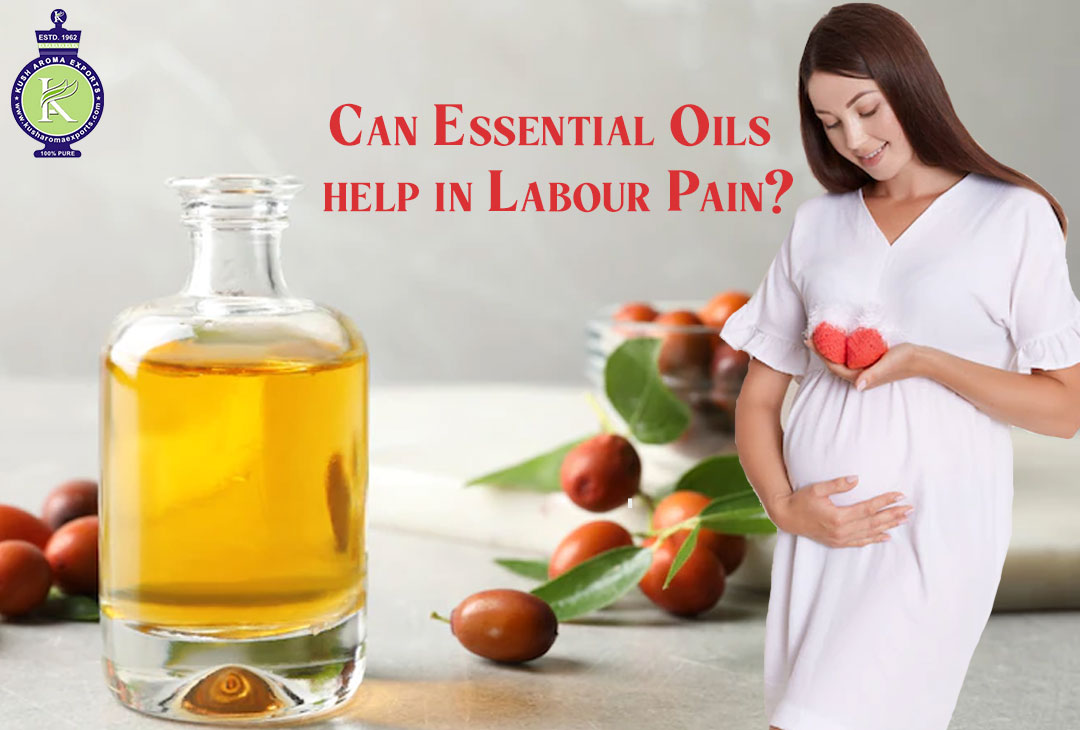
Can Essential Oils Help in Labour Pain?

If you’re a pregnant woman, you’ve probably heard or read about the benefits of essential oils and how they can help you relax during your pregnancy. So, essential oils are your best friend throughout this journey, whether it’s dealing with nausea in the first trimester or cramps and aches in the third trimester. How could you possibly forget them in your hospital bag? Yes, if used correctly, essential oils can significantly reduce labor pain and promote a smooth delivery.

However, with so many essential oils on the market, selecting a range that can help your child’s birth experience can be a bit overwhelming, so we help you choose essential oils that can promise you a smooth labor and joyous memories. The below-mentioned essential oil are very easily available at various essential oil manufacturers or any local retailers.

Top 10 Essential Oils to Help Induce Labour

Here is a quick rundown of the top 10 essential oils for labor that soothe nausea, relieve your nerves and senses, and control anxiety, allowing you to focus on welcoming your baby rather than letting all the pain, chaos, and stress ruin your most memorable moment.

1. Essential Oil of Clary Sage

Clary sage essential oil, extracted directly from a flowering plant, calms the nervous system and provides relief from anxiety, mood swings, and nervousness during labor.

As a natural uterotonic, it regulates hormones and induces uterine contractions, assisting in labor. In general, clary sage essential oil is used to relieve menstrual pain and menopausal symptoms, as well as to reduce stress and pain levels, making childbirth a little easier.

2. Rosemary Essential Oil

The rosemary essential oil is extracted from the leaves of the rosemary herb and has strong aromatic properties. It gives women extra strength during labor in terms of mental calmness and speeds up labor by intensifying contractions.

The strong floral aroma of rosemary essential oil relieves pain and reduces stress and anxiety. It relaxes the nervous system and calms the nerves, allowing the pregnant woman to concentrate on the contractions and naturally pushing the baby out of the womb.

3. Essential Oil of Myrrh for Labour

During long and stressful hours of labour, myrrh essential oil helps lift the spirit and flag energy. As a meditative oil, it instantly soothes your muscles and tissues while preparing you for long hours of painful labour.

By spreading aromas of calmness and tranquillity, it also helps to ease and reduce the discomfort caused by pain and chaos in the labor room. Myrhh essential oil nourishes and balances the woman while restoring her senses and peace of mind.

4. Labor Jasmine Essential Oil

With a lovely floral scent and feel, jasmine essential oil is ideal for inducing contractions and relieving uterine discomfort. However, because it acts as a natural analgesic, it should be used only during labor and not during pregnancy.

Jasmine essential oil boosts confidence and calmness while relaxing your muscles and nerves. It alleviates the discomfort caused by back pain during labor and aids in the safe delivery of the placenta. This essential oil promotes comfort and calmness while also reducing pain and hastening the labor process.

5. Labour Basil Essential Oil

The natural chemicals in basil essential oil relax smooth muscles, providing relief during the intense uterine contractions that are common during labour. It also helps to combat the extreme exhaustion that comes with hard labour.

The aroma of this essential oil provides the woman with great mental and physical strength, allowing her to connect with her inner self during these difficult times. Basil essential oil ensures that your contractions continue to run smoothly by increasing blood flow to your uterus.

6. Essential Oil of Frankincense for Labor

Frankincense essential oil is a natural pain reliever that helps to soothe and calm the muscles. It intensifies uterine contractions and aids in a smooth delivery when used as a massage oil or inhaled in aromatherapy during labor.

The holy scent of Frankincense essential oil provides immediate relief from the heavy pain and uneasiness that comes with natural labor. It is frequently used as a calming oil on the tummy or lower back to relieve pain and provide some relief.

7. Geranium Essential Oil for Labour and Delivery

Geranium essential oil is a perfect therapeutic essential oil and is frequently used as a hormone-balancing essential oil during labor. The essential oil should not be used before the advanced stages of pregnancy.

While geranium essential oil speeds up labour, it reduces discomfort and pain considerably. Though Although the aroma of the oil is not particularly appealing, it can be easily blended with other essential oils to maximize its benefits as it stimulates the uterus and promotes contractions.

8. Essential Oil of Rose

Rose essential oil provides the ultimate in relaxation during long hours of labor. The sweet and appealing aroma of this essential oil induces calm and provides strength to the woman. It emits a soothing fragrance that relaxes the muscles and relieves pain.

It relaxes the mood and provides emotional and mental balance during labor, thanks to its comforting floral scent and sensual appeal. However, because rose essential oil has a strong fragrance, it should be used sparingly and not too close to delivery, as the strong odor can irritate the baby.

9. Clove Essential Oil Can Help You Get Pregnant

Clove essential oil is a potent essential oil that can stimulate the uterus and intensify contractions when used during labour. This essential oil’s sweet, bitter aroma relieves anxiety and stress, while the woody, the natural aroma keeps you grounded during times of pain and discomfort.

The warm aromas of clove essential oil create a sense of warmth and love, making you feel bonded with your child even as you deliver the child in pain. This essential oil also works well to soothe aching muscles and nerves, which are all affected by labour exhaustion.

10. Oregano Essential Oil to Induce Labour

Oregano essential oil is known to act as a natural stimulant for the uterus speeding up contractions and the labour process, thus ensuring that you go through a smooth childbirth process with minimum pain and discomfort.

This essential oil is often used as herbal medicine and has anti-microbial, antioxidant, and anti-inflammatory properties. Due to its carvacrol content, oregano essential oil is a natural pain reliever and soothes the mind and body.

Conclusion

While childbirth is a phenomenal experience in a woman’s life, and each experience is unique, there are numerous tried and tested ways in which the labour process can be eased and made memorable. As previously stated, our essential oils for easing labor pain list aims to bring you closer to a more holistic and herbal approach to reducing stress and anxiety during childbirth.

Essential Oils
Essential oils, skin care

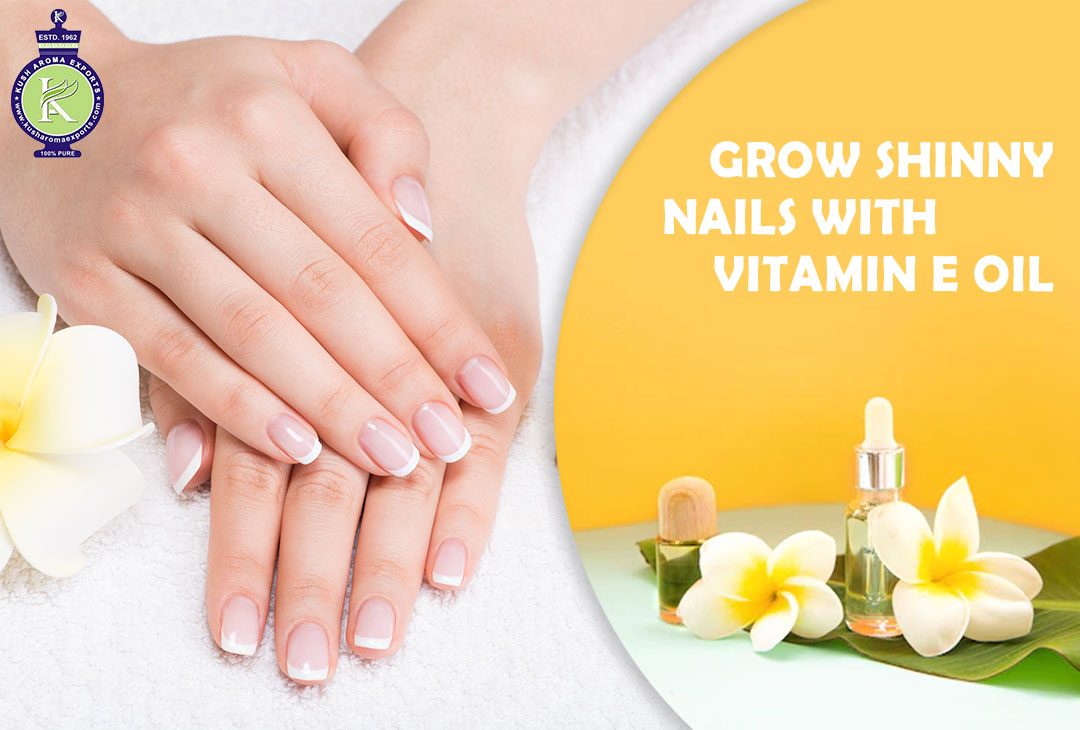
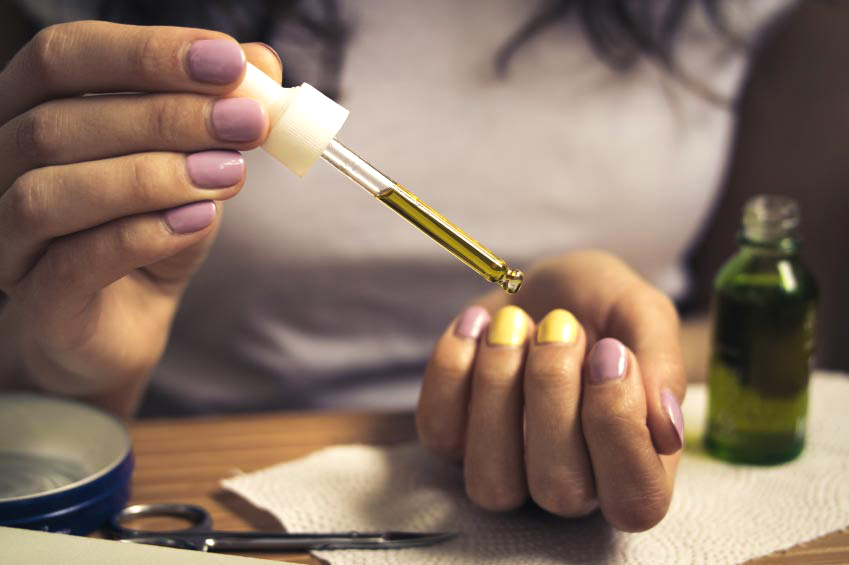
Vitamin E Oil For Nails | DIY Recipes For Toenails & Cuticles

What exactly is Vitamin E Oil?

While you might believe that Vitamin E is a single vitamin, it is not. It is, in fact, a group of fat-soluble vitamins with antioxidant properties. This oil is made from vitamin E and can be applied to any part of your skin.

The high antioxidant content of Vitamin E oil aids the body’s elimination of free radicals. To be honest, there is no end to what Vitamin E oil can do for your overall health, particularly your nails.

Is Vitamin E Oil Beneficial for Nails?

Nails, like skin, require moisture and hydration to look great and be strong. Vitamin E, according to various research experts, is a soluble nutrient that is very beneficial in increasing the moisture in your nail bed and the skin around your nails. For example Ylang-ylang essential oil can control and balance oil production in the skin, as well as act as an effective cleanser.

This aids in the rejuvenation of nails and the restoration of dry cuticles. Furthermore, Vitamin E oil provides essential nutrients to the nails and naturally nourishes them. It is a key ingredient in promoting consistent nail growth.

Benefits of Vitamin E Oil for Nails and Cuticles

As previously stated, Vitamin E oil is a highly moisturizing natural ingredient that is far more beneficial to nails than any other element. Let’s go over the various advantages vitamin E oil has for our nails and cuticles in detail.

The Advantages of Vitamin E Oil for Nails

Boosts Nail Health: Vitamin E oil is a necessary supplement that promotes nail growth as well as length. They improve nail health by adding strength and hydration when applied to the nails and cuticles. Furthermore, Vitamin E oil has excellent moisturizing properties that treat and prevent cracked cuticles and dry skin around the nail bed. All of these factors promote healthy nail growth.

Related Blog : 5 Essential Oils That Make You “Feel Good”

Removes Nail Yellowing: If you can’t live without nail polish, one reason could be your yellow nails. But what you don’t realize is that it’s the same thing that’s causing this problem. Applying vitamin E oil to the nails can help to fade the yellowish color. When used on the nails and around the cuticles on a regular basis for a few months, the results are visible.

Protects the Nails and Cuticles: Because vitamin E oil is high in antioxidants, it can protect your nails from free radical damage. When you apply vitamin E oil to your nails, it creates a protective barrier between your nails and cuticles. This protects your nails from any type of harmful outside damage.

Strengthens and repairs the nails: We all know how much our nails go through on a daily basis, especially when we use chemical-based nail polish and remover. Fortunately, we have this amazing natural ingredient, Vitamin E oil, which works and repairs potential nail damage. This natural oil has the ability to repair any damage caused by outside elements.l Nutrients: Vitamin E oil is high in antioxidants and minerals, which provide excellent moisturizing benefits for nail health. It also helps to prevent cracked cuticles by nourishing the nails. It also promotes blood flow and delivers vitamins to the nails, keeping them completely healthy.

Make Your Own Vitamin E Oil for Nail Growth

Now that we’ve learned about the many advantages of Vitamin E oil for nail growth, let’s incorporate it into our nail care routine. The best way to accomplish this is to make your own vitamin E oil for nail growth at home. We’ve compiled a list of some of the best and most simple nail care recipes.

Recipe 1: Cuticle Treatment with Jojoba Oil and Vitamin E Oil

When applied, the combination of jojoba oil and vitamin E oil improves the health of the nails and cuticles. Jojoba oil moisturizes cuticles, and vitamin E oil provides vitamin E to nails, which aids in the treatment of various nail issues and promotes nail growth.

Jojoba and Vitamin E Oil

Ingredients:

  • 2 tablespoons castor oil
  • 14 teaspoon vitamin E oil
  • Six drops of Rosemary essential oils
  • Six drops of Frankincense essential oil
  • Directions:

Step 1: Combine two tablespoons castor oil with 14 teaspoon vitamin E oil.

Step 2: Thoroughly mix it, then add the essential oils of rosemary and frankincense.

Step 3: Once again, combine all of the oils.

Step 4: Once finished, transfer the oil to a glass container.

Step 5: Apply your cuticle vitamin E oil.

Using Vitamin E Oil on Your Nails:

Use this homemade vitamin E oil twice a day. Use this oil on a regular basis for at least two months to see visible results in your cuticle health. This homemade cuticle vitamin E oil guarantees excellent cuticle health and nail growth.

Recipe 2: Olive Oil and Vitamin E Oil for Dry Toes

When applied, the combination of virgin olive oil and vitamin E oil is a great way to complement your nails and cuticles. Olive oil is a nutrient that makes dry nails shine and lustrous. Vitamin E oil, on the other hand, promotes nail growth and protects cuticles from damage.

Olive oil and vitamin E oil

Ingredients:

  • 4 tablespoons cold-pressed virgin olive oil
  • 3 drops vitamin E oil
  • 12 teaspoon golden jojoba oil
  • 12 teaspoon beeswax

Directions:

Step 1: Heat olive oil in a small saucepan.

Step 2: Warm the oil over a low flame.

Step 3: Combine Vitamin E oil, jojoba oil, and beeswax in a small bowl.

Step 4: Combine everything until well combined.

Step 5: Using a strainer, remove it from the heat.

Step 6: Set aside the mixture to cool.

Step 7: Your Olive oil and vitamin E oil mixture for dry toenails is complete.

Toenail Vitamin E Oil Application:

Apply a thin coat of this oil mixture to each of your toes with a small clean brush. Allow it to dry for a few hours. You can add more coatings if desired.

Conclusion

Finally, we can say that Vitamin E oil is an excellent natural supplement for hydrating and strengthening your nails and cuticles. So, consider adding vitamin E oil to your nail care routine and allowing it to absorb into your nails to provide them with all the nourishment and nutrients they require.

Organic Essential Oils Exporters
Essential oils

How Make French Green Clay Masks?

The most important organ in our bodies is our skin. It benefits us in a variety of ways and protects us from a variety of threats to the environment. To care for our skin, we must first choose a skincare regimen that is appropriate for our skin type, age, and lifestyle. Wouldn’t it be wonderful if you could find a single solution to all of your cosmetic problems? Is such a thing even possible?

Why not address these issues with a natural and organic substance? Fortunately, nature has provided us with the answer in the form of French Green Clay. We’re excited to demonstrate how this natural clay can help you solve some of your most difficult cosmetic issues in the comfort of your own home.

(All the below-mentioned essential oils are easily available from trusted Organic Essential Oils Exporters or natural carrier oil suppliers for the best results.)

What Is French Green Clay and How Does It Work?

French green clay is a natural, unprocessed clay with a delicate texture and a lovely light green color. This clay is extracted from naturally occurring deposits in France and China and is known for its absorbent, purifying, and skin relaxing properties. A combination of iron oxides and decomposing plant materials gives it its green color.

Benefits of a French Green Clay Mask

Due to its unique healing properties, French green clay has been widely used in cosmetic and therapeutic therapies for millennia. Continue reading to learn how it can help your skin.

Cleans Pores: When it comes to sucking impurities from the pores of the skin, French green clay excels. Pores are clogged by dirt, stale sebum, dead cells, bacteria, dirt, and other debris, but green clay can help clear them and restore their ability to breathe. It not only cleans pores but also tightens the skin, resulting in smaller pores on the face.

Detoxification of the skin: green clay from France is very purifying. It contains negatively charged ions, such as those found in poisons, heavy metals, and contaminants, that attract and neutralize positively charged ions. The clay becomes active when it is mixed with water or another liquid, such as hydrosols. Your skin appears to be younger and healthier as a result.

Exfoliation of the skin: Exfoliation that is too harsh can cause your skin to become too dry. Green clay gently exfoliates the skin; its slightly gritty texture is ideal for removing dead skin cells without leaving the skin dry or irritated.

One of the most important beauty benefits of French green clay is that it is gentle on the skin. It also soothes and calms inflamed, red skin. If you have eczema, rashes, or psoriasis, you can use French green clay to make a mask to help relieve your symptoms.

5 Best French Green Clay Mask Recipes (DIY)

The most amazing handmade clay face masks aren’t available in stores, but they’re easy to make at home. Continue reading to learn more.

Recipe 1: French Green Clay Mask for Acne-prone Skin

Because of its natural detoxifying properties, French Green Clay is the most incredible natural acne treatment. It works by penetrating deep into the pores and removing pollutants from our oil glands. It also encourages healthy skin regeneration and reduces the chances of recurrent breakouts.

List of Ingredients:

12 Cup French Green Clay

12 cup rosewater

3 drops of tea tree essential oil

Directions:

Step 1: In a mixing bowl, combine the clay and rosewater.

Step 2: Add the essential oil one drop at a time.

Step 3: Mix thoroughly until an even consistency is achieved.

Application Instructions:

Apply a small amount of the product to your face, avoiding the area around your eyes.

Allow it to sit for 8-12 minutes, making sure the mask does not completely dry.

Rinse with warm water and pat skin dry to remove.

After that, apply your favorite moisturizer or serum.

French Green Clay Mask for Dry Skin (Recipe 2)

A gentle exfoliator, French Green Clay removes dead skin cells from the epidermis, the skin’s outer layer. As a result, it promotes natural exfoliation of the dry skin layer and increased circulation, leaving your skin soft and supple.

Ingredient List:

1 tbsp French Green Clay

1 tbsp. jojoba oil

5 drops geranium essential oil

Directions:

Step 1: In a mixing bowl, combine the clay and jojoba oil.

Step 2: Add the essential oil one drop at a time.

Step 3: Mix thoroughly until an even consistency is achieved.

How to Apply:

Apply a small amount of the product to your face, avoiding the area around your eyes.

Allow it to sit for 8-12 minutes, making sure the mask does not completely dry.

Rinse with warm water and pat skin dry to remove.

Facial Mask with French Green Clay For Oily Skin (Recipe 3)

Recipe 3: French Green Clay Facial Mask For Oily Skin

Oily skin can benefit from French green clay because it absorbs oils and removes dead skin cells from the outer layers of the skin. This mask is also ideal for any irritation or redness due to the cooling and relaxing properties of aloe vera gel and rosewater.

List of Ingredients:

1.5 tbsp French Green Clay

12 tbsp Kaolin Clay

1.5 tbsp Aloe Vera Gel

1 tbsp rose water

2 drops rose essential oil

Directions:

Step 1: Combine the green and kaolin clays in a glass or plastic dish.

Step 2: Mix the aloe vera gel, rose water, and any other oils you’re using in a bowl.

How to Apply:

Apply a small amount of the product to your face, avoiding the area around your eyes.

Allow it to sit for 8-12 minutes, making sure the mask does not completely dry.

Rinse with warm water and pat skin dry to remove.

After that, apply your favorite moisturizer or serum.