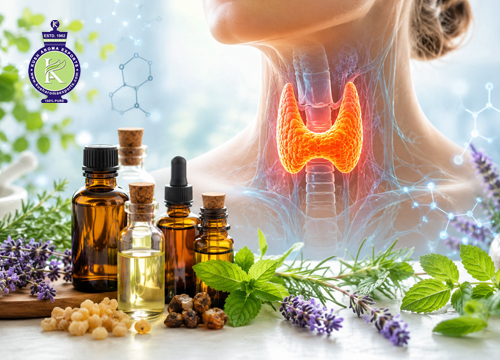
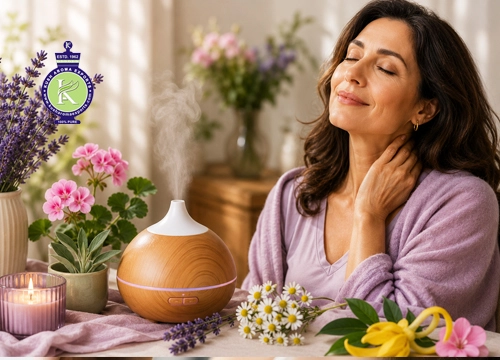
Menopause is a natural stage of life – but its symptoms can be deeply uncomfortable. Hot flashes, night sweats, mood swings, hair loss, joint pain, and anxiety can disrupt daily life for months or even years.
More women are now turning to natural approaches for relief. And among them, essential oils for menopause have emerged as one of the most trusted, research-backed options available.
This guide covers the 11 best essential oils for menopause symptoms, how to use them effectively, and why lemongrass oil deserves a special place in your wellness routine.
Understanding Menopause: Why Symptoms Happen
Menopause marks the end of a woman’s reproductive cycle, typically between ages 45 and 55. It is caused by a sharp decline in the hormones oestrogen and progesterone.
This hormonal shift triggers a wide range of symptoms:
- Hot flashes and night sweats — sudden waves of heat affecting the body
- Mood swings and anxiety — emotional instability caused by hormonal imbalance
- Sleep disturbances — difficulty falling or staying asleep
- Weight gain — particularly around the abdomen
- Hair thinning and loss — reduced oestrogen affects follicle strength
- Vaginal dryness — lowered lubrication causing discomfort
- Joint pain — inflammation increases as oestrogen decreases
11 Best Essential Oils for Menopause
1. Lemongrass Essential Oil — The Menopause Multitasker
Lemongrass essential oil is arguably the most underrated oil for menopause. It contains citral, geraniol, and limonene — compounds with proven anti-inflammatory, hormone-balancing, and calming properties.
Why it works for menopause:
- Reduces anxiety and emotional tension through its calming aroma
- Helps regulate body temperature fluctuations that cause hot flashes
- Supports healthy circulation, reducing joint pain and stiffness
- Acts as a natural astringent to manage skin changes during menopause
- Used in aromatherapy for mental clarity and emotional grounding
How to use: Diffuse 5–6 drops in a room diffuser for 30–60 minutes. For joint pain, dilute 3 drops in 1 teaspoon of carrier oil and massage into affected areas.
Lemongrass is one of the most clinically studied essential oils for menopause symptoms — and the results are genuinely impressive.
2. Clary Sage Essential Oil — The Hormone Helper
Clary sage is widely considered the number one essential oil for menopause hormones. It contains sclareol — a phytochemical that mimics the action of oestrogen in the body.
Benefits for menopause:
- Reduces the frequency and intensity of hot flashes
- Balances oestrogen levels naturally
- Reduces cortisol (stress hormone) levels
- Improves mood and reduces feelings of depression
- Supports restful sleep
How to use: Dilute 3 drops in 1 teaspoon of carrier oil. Apply to pulse points (wrists, neck, inner ankles) morning and evening. You can also diffuse it at bedtime.
3. Lavender Essential Oil — Calm for Body and Mind
Lavender is one of the most well-researched essential oils in the world. For menopause, it is particularly effective for anxiety, sleep disturbances, and emotional instability.
Benefits for menopause:
- Reduces essential oils for menopause anxiety concerns significantly
- Improves sleep quality and duration
- Calms heart rate and reduces hot flash intensity
- Soothes skin dryness and irritation during menopause
How to use: Add 5 drops to a warm bath. Diffuse at bedtime. Dilute 2–3 drops in carrier oil and apply to the temples and wrists.
4. Peppermint Essential Oil — Natural Cooling for Hot Flashes
Peppermint oil is the go-to choice for essential oils for menopause hot flashes. Its high menthol content creates an instant cooling sensation on the skin and reduces the sensation of body heat.
Benefits for menopause:
- Provides immediate cooling relief during hot flashes
- Reduces the frequency of night sweats
- Boosts energy and mental alertness during fatigue spells
- Relieves headaches associated with hormonal changes
How to use: Mix 2 drops with 1 teaspoon of coconut oil. Apply to the back of the neck, wrists, and chest during a hot flash. You can also inhale directly from the bottle for quick relief.
For a deeper understanding of how peppermint supports overall wellbeing, explore our blog post on How Essential Oils Naturally Cleanse Your Indoor Air – where peppermint features prominently.
5. Geranium Essential Oil — Balancing and Uplifting
Geranium essential oil works powerfully as one of the best essential oils for menopause mood swings. It supports the adrenal cortex, which plays a key role in balancing oestrogen and progesterone.
Benefits for menopause:
- Stabilises mood and reduces emotional swings
- Relieves feelings of irritability and sadness
- Supports hormonal balance
- Improves circulation, reducing hot flash severity
- Hydrates and firms skin affected by hormonal changes
How to use: Blend 3 drops with 1 teaspoon of jojoba oil. Apply to the lower abdomen and inner wrists. Diffuse with lavender for a calming mood blend.
6. Frankincense Essential Oil — The Deep Healer
Frankincense has been used for thousands of years in healing and spiritual practices. During menopause, its anti-inflammatory and hormone-regulating properties are especially valuable.
Benefits for menopause:
- Reduces inflammation linked to essential oils for menopause joint pain
- Regulates cellular function as oestrogen declines
- Promotes emotional grounding and reduces anxiety
- Supports healthy skin as collagen production decreases
- Useful for essential oils for postmenopausal skin and joint support
How to use: Dilute 3 drops in 1 teaspoon of carrier oil. Apply to joints or use in a facial massage for skin support. Diffuse during meditation or yoga.
7. Thyme Essential Oil — Natural Progesterone Support
Thyme essential oil contains carvacrol, which research suggests may support progesterone production — a hormone that declines significantly during menopause.
Benefits for menopause:
- Supports natural progesterone balance
- Reduces anxiety and nervous tension
- Improves mood and mental clarity
- Has antimicrobial properties that support immunity during menopause
How to use: Dilute 2 drops in 1 teaspoon of carrier oil. Apply to the wrists and behind the knees. Do not apply undiluted — thyme is a strong oil.
8. Rose Essential Oil — For Emotional and Skin Health
Rose essential oil is one of the most precious and effective essential oils for menopause relief. It is deeply supportive of emotional wellbeing and skin health during this transition.
Benefits for menopause:
- Reduces feelings of grief, sadness, and emotional withdrawal
- Hydrates and firms skin affected by oestrogen decline
- Supports sexual wellbeing and addresses essential oils for menopause dryness
- Reduces anxiety and promotes feelings of self-worth
How to use: Mix 2 drops with 1 teaspoon of rosehip or sweet almond oil. Apply to the face, décolletage, or inner thighs for dryness. Diffuse for emotional support.
9. Ylang Ylang Essential Oil — Mood Lifter and Relaxant
Ylang ylang is a powerful mood-uplifting oil widely used in aromatherapy for hormonal balance. It is particularly beneficial for anxiety and low mood during menopause.
Benefits for menopause:
- Reduces cortisol and emotional stress
- Improves libido and emotional connection
- Promotes restful sleep
- Reduces the sensation of hot flashes when used in a diffuser
How to use: Blend 2 drops with lavender and carrier oil. Apply to pulse points. Use sparingly — ylang ylang is potent and can cause headaches in high concentrations.
10. Rosemary Essential Oil — For Hair and Mental Energy
One of the most common menopausal concerns is hair loss. Essential oils for menopause hair loss are a growing area of interest — and rosemary oil leads the research.
Benefits for menopause:
- Stimulates hair follicles and improves scalp circulation
- Reduces hair thinning caused by hormonal decline
- Boosts mental alertness and reduces brain fog
- Relieves joint pain and muscle stiffness
- Improves circulation throughout the body
How to use: Mix 5 drops with 2 tablespoons of carrier oil (coconut or jojoba). Massage into the scalp. Leave for 30–45 minutes before shampooing.
11. Bergamot Essential Oil — For Anxiety and Weight Balance
Bergamot is one of the most effective essential oils for menopause anxiety and emerging research suggests it may also support metabolic health, making it relevant for essential oils for menopause weight gain concerns.
Benefits for menopause:
- Reduces cortisol levels that contribute to abdominal weight gain
- Calms anxiety, nervousness, and emotional overwhelm
- Lifts mood and promotes optimistic outlook
- Supports healthy sleep patterns
- Works as a digestive tonic to support metabolic function
How to use: Diffuse 5 drops with lavender or clary sage. Apply diluted oil to the abdomen in gentle circular motions. Use only at night — bergamot is photosensitive.
How to Use Essential Oils for Menopause: 4 Methods
There are several effective ways to use essential oils for menopause symptoms. Here is a practical guide:
Method 1: Aromatherapy Diffuser
Add 5–8 drops to a diffuser with water. Diffuse for 30–60 minutes. Best for mood swings, anxiety, sleep, and hot flash prevention.
Method 2: Topical Application
Dilute 2–3 drops in 1 teaspoon of carrier oil. Apply to pulse points, abdomen, or joints. Always dilute — never apply neat.
Method 3: Warm Bath Soak
Add 6–8 drops to a tablespoon of carrier oil, then add to a warm bath. Excellent for night sweats, joint pain, and stress relief before bed.
Method 4: Direct Inhalation
Place 2 drops on a cloth or inhale from cupped hands (with dilution). Quick relief for hot flashes and emotional moments.
Essential Oil Blends for Menopause Symptoms
Blend 1: Hot Flash & Night Sweat Relief
- 3 drops peppermint
- 2 drops clary sage
- 2 drops lavender
- 10 ml jojoba oil (carrier)
Apply to the back of neck and wrists. Keep a small roller bottle by your bedside.
Blend 2: Mood & Anxiety Stabiliser
- 3 drops lavender
- 2 drops bergamot
- 2 drops ylang ylang
- Diffuse together for 45 minutes
Blend 3: Joint Pain and Inflammation Relief
- 3 drops lemongrass
- 2 drops frankincense
- 2 drops rosemary
- 15 ml sweet almond oil
Massage into affected joints morning and evening.
Blend 4: Hair Strengthening Treatment
- 5 drops rosemary
- 3 drops lavender
- 2 drops clary sage
- 2 tablespoons coconut oil
Massage into the scalp. Leave 45 minutes. Shampoo out.
Safety Guidelines for Using Essential Oils During Menopause
Using essential oils safely is essential — especially if you are on hormone therapy or other medications.
- Always dilute — 2–3 drops per teaspoon of carrier oil for body; 1–2 drops for face
- Patch test before full use — Test on inner wrist, wait 24 hours
- Photosensitive oils (bergamot, lemon) — Use only at night or apply SPF during the day
- Consult your doctor — If you are on HRT or other medications, check for interactions
- Pregnancy — Some oils (clary sage, thyme, rosemary) should be avoided during pregnancy
- Strong oils (thyme, clove, cinnamon) — Use at lower dilutions (1%)
Essential oils are a complementary support tool — not a medical treatment. Always work with your healthcare provider for serious menopause symptoms.
Frequently Asked Questions (FAQs)
1. What are the best essential oils for menopause hot flashes?
Peppermint essential oil is the most effective for immediate hot flash relief due to its natural cooling effect from menthol. Clary sage and lavender are also highly recommended for reducing the frequency of hot flashes over time when used consistently in a diffuser or as a topical blend.
2. Can essential oils help with menopause-related anxiety and mood swings?
Yes. Lavender, bergamot, and ylang ylang are among the most researched essential oils for menopause anxiety and mood instability. They reduce cortisol levels, calm the nervous system, and promote emotional balance. Use them in a diffuser or apply diluted to pulse points daily.
3. Which essential oil is best for menopause hair loss?
Rosemary essential oil is the leading choice for menopause-related hair loss. It stimulates scalp circulation, strengthens follicles, and reduces shedding. Mix 5 drops with 2 tablespoons of carrier oil. Massage into the scalp 3–4 times per week for best results.
4. How does lemongrass oil specifically help with menopause symptoms?
Lemongrass essential oil contains citral and geraniol, which have anti-inflammatory, anxiety-reducing, and hormone-supporting properties. It helps with joint pain, emotional stress, skin changes, and temperature regulation — addressing multiple menopause symptoms simultaneously. It is one of the most versatile oils in an essential oils guide for menopause.
5. Are essential oils safe to use alongside HRT (hormone replacement therapy)?
Many essential oils are safe to use alongside HRT, but some (particularly clary sage and thyme, which have hormone-influencing properties) may interact with hormone therapies. Always consult your doctor or gynaecologist before combining essential oils with HRT or other prescription medications.
Final Thoughts: Natural Menopause Support Starts Here
Managing menopause does not have to mean simply enduring the symptoms. The essential oils for menopause covered in this guide offer real, research-backed support for hot flashes, night sweats, anxiety, joint pain, hair loss, and more.
Start with lemongrass and clary sage — two of the most versatile and effective oils for this life stage. Build your personal blend from there, and give your body the consistent, gentle support it deserves.