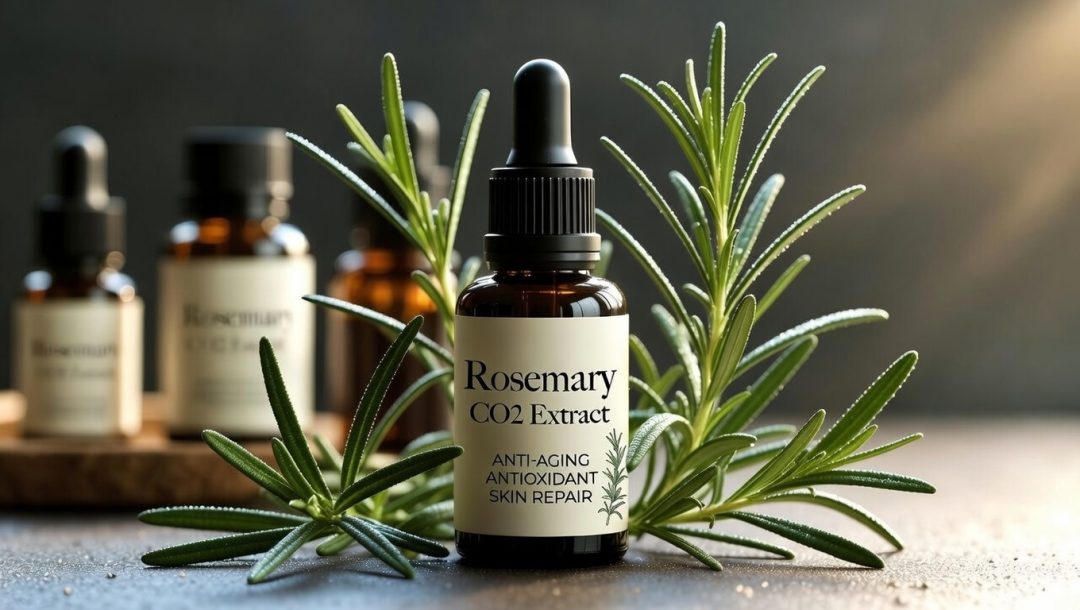
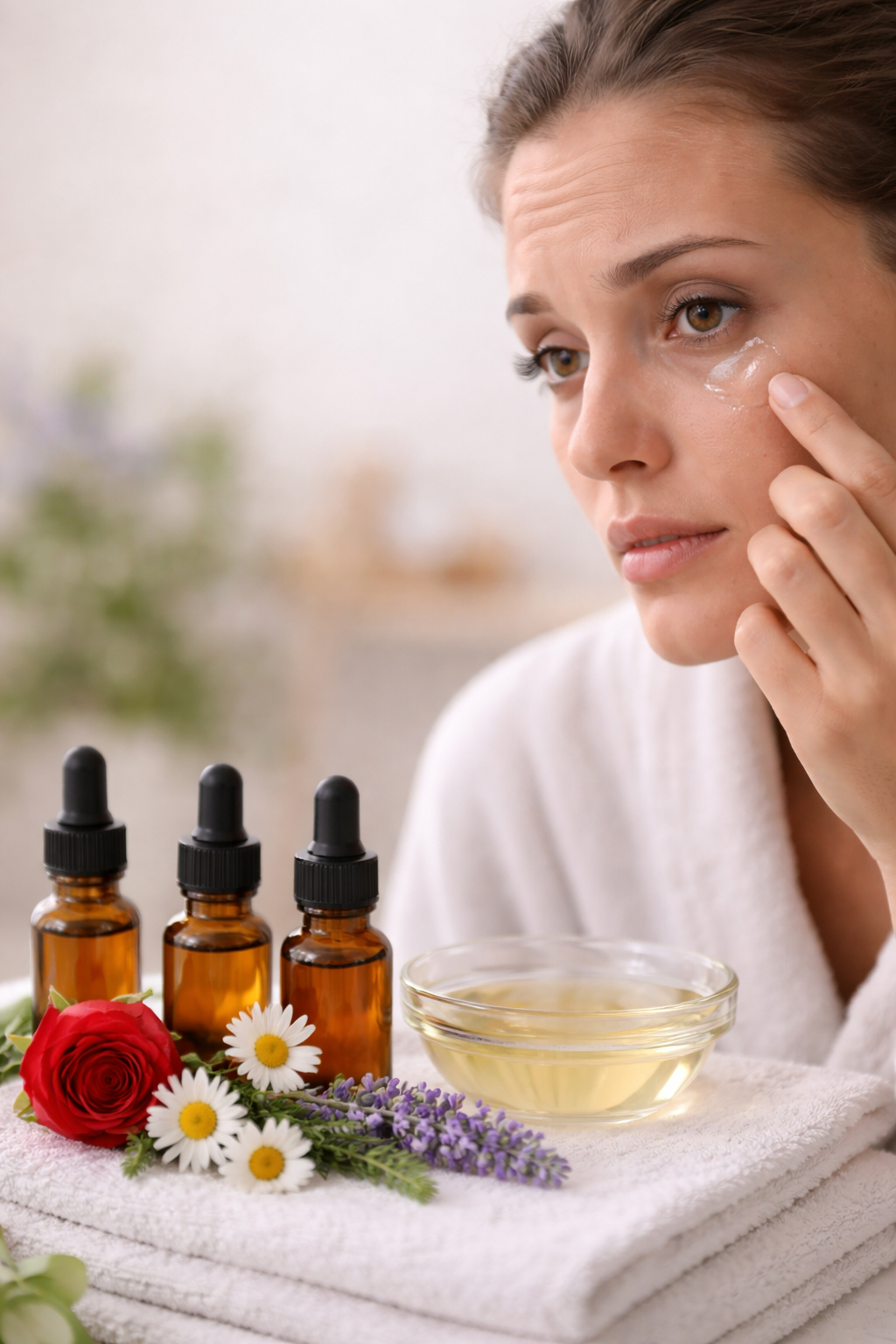
In the evolving world of natural skincare, plant-based extracts are gaining strong attention for their proven effectiveness and safety. Among them, Rosemary CO₂ extractstands out as a powerful botanical ingredient known for its anti-aging, antioxidant, and skin-repair properties. Derived using advanced carbon dioxide extraction technology, this extract retains a high concentration of active compounds that make it exceptionally beneficial for cosmetic and dermatological applications.
This blog explores what Rosemary CO₂ extract is, how it works on the skin, its major skin benefits, and why it is becoming a preferred ingredient sourced from CO₂ extracts oils manufacturers in India.
What Is Rosemary CO₂ Extract?
Rosemary CO₂ extract is obtained from the leaves of Rosmarinus officinalis using supercritical carbon dioxide extraction. Unlike steam distillation, CO₂ extraction works at lower temperatures and without harsh solvents, preserving the plant’s sensitive bioactive compounds.
The result is a highly concentrated extract rich in antioxidants such as carnosic acid, carnosol, and rosmarinic acid. These compounds play a key role in protecting skin cells from oxidative stress, environmental damage, and premature aging.
Because of its purity and potency, Rosemary CO₂ extract is widely used in premium skincare formulations, anti-aging creams, serums, balms, and natural preservative systems.
Why CO₂ Extraction Matters in Skincare
CO₂ extraction is considered one of the cleanest and most effective extraction methods available today. It ensures:
No chemical solvent residue
Higher stability of active compounds
Better color, aroma, and efficacy
Enhanced shelf life
For skincare products, this means better performance and safer formulations. This is why many cosmetic brands prefer ingredients supplied by experienced CO₂ extracts oils manufacturers in India, where advanced extraction technology meets high-quality botanical sourcing.
Key Active Compounds in Rosemary CO₂ Extract
The effectiveness of Rosemary CO₂ extract comes from its rich phytochemical profile:
Carnosic Acid – A potent antioxidant that protects skin cells from free radical damage
Carnosol – Supports skin repair and improves elasticity
Rosmarinic Acid – Known for anti-inflammatory and soothing properties
Natural Diterpenes – Help strengthen the skin barrier
These compounds work synergistically to improve overall skin health and appearance.
Rosemary CO₂ Extract Skin Benefits
When it comes to natural skincare, the rosemary co2 extract skin benefits are extensive and well-researched.
Anti-Aging and Wrinkle Reduction
Rosemary CO₂ extract helps neutralize free radicals that cause premature aging. Regular use in skincare formulations supports smoother skin, reduces the appearance of fine lines, and improves firmness.
Skin Repair and Regeneration
The extract promotes cell renewal and helps repair damaged skin caused by pollution, UV exposure, and environmental stress. It is particularly beneficial for mature and stressed skin types.
Powerful Antioxidant Protection
Rich in natural antioxidants, Rosemary CO₂ extract protects the skin from oxidative damage, which is one of the primary causes of dullness and uneven texture.
Anti-Inflammatory and Soothing Effects
For sensitive or irritated skin, Rosemary CO₂ extract helps calm redness, reduce inflammation, and support healing, making it suitable for formulations targeting acne-prone or reactive skin.
Improved Skin Tone and Texture
Consistent use helps enhance skin clarity and texture by supporting healthy circulation and cellular activity within the skin layers.
Rosemary CO₂ Extract in Anti-Aging Formulations
Rosemary CO₂ extract is commonly used in:
Anti-aging creams and serums
Eye care formulations
Night repair oils
Facial balms and masks
Natural preservative blends
Its oil-soluble nature allows it to blend well with carrier oils, butters, and lipid-based skincare systems, enhancing both performance and stability.
Natural Preservative Properties in Skincare
One unique advantage of Rosemary CO₂ extract is its ability to act as a natural antioxidant preservative. It helps slow down oxidation in cosmetic formulations, especially those containing oils and butters.
This makes it highly valuable for clean beauty brands looking to reduce synthetic preservatives while maintaining product freshness.
Growing Demand for CO₂ Extracts Oils Manufacturers in India
India has emerged as a global hub for high-quality botanical extracts due to its rich plant biodiversity, skilled workforce, and advanced extraction facilities. Many CO₂ extracts oils manufacturers in India now supply Rosemary CO₂ extract that meets international cosmetic and pharmaceutical standards.
Manufacturers focus on:
Sustainable sourcing of rosemary leaves
Advanced CO₂ extraction technology
Consistent quality and active compound profiles
Compliance with global regulatory norms
This has made Indian suppliers a preferred choice for brands seeking reliable, natural skincare ingredients.
How to Use Rosemary CO₂ Extract in Skincare Products
Rosemary CO₂ extract is typically used in low concentrations due to its potency. It is added during the oil phase of formulations and works well in combination with other botanical oils and extracts.
Proper formulation ensures maximum skin benefits while maintaining product stability.
Who Should Use Rosemary CO₂ Extract?
Rosemary CO₂ extract is suitable for:
Mature and aging skin
Dull or tired-looking skin
Environmentally stressed skin
Oily and combination skin types
Natural and clean beauty formulations
However, as with any active botanical ingredient, patch testing is recommended in final consumer products.
Conclusion
Rosemary CO₂ extract is a highly effective, natural ingredient that offers powerful anti-aging and skin-repair benefits. Its rich antioxidant profile, soothing properties, and ability to support skin regeneration make it a valuable addition to modern skincare formulations.
With increasing demand for clean and sustainable beauty solutions, sourcing from trusted CO₂ extracts oils manufacturers in India ensures high quality, purity, and performance. Whether used for anti-aging, skin repair, or natural preservation, Rosemary CO₂ extract continues to prove its importance in advanced skincare products.
By incorporating this potent botanical extract, skincare brands can deliver visible results while staying aligned with the growing preference for natural and science-backed ingredients.
For centuries, flowers have been nature’s messengers of love—given as tokens of affection, woven into wedding ceremonies, and used to convey what words often cannot. When these blossoms are distilled into essential oils, their emotional power becomes even more potent. Kush Aroma essential oils carry the soul of the flower, offering more than just a beautiful scent; they can open the heart, soothe the spirit, and set the stage for deep connection and romance. In this guide, we’ll explore the most cherished Kush Aroma essential oils for love, how they work on an emotional level, and simple, beautiful ways to invite their magic into your life.
Why Flowers Speak the Language of Love
From the first red rose to a bridal bouquet, flowers are embedded in our expressions of love. Their scents are tied to memory and emotion in a profound way. When inhaled, the aroma of Kush Aroma essential oils travels directly to the brain’s limbic system—the seat of emotion, memory, and attraction. This direct pathway allows these oils to:
Set a Romantic Mood: Transform any space into an intimate sanctuary.
Calm the Mind & Heart: Ease stress, anxiety, and emotional walls.
Elevate Emotion: Lift spirits, inspire confidence, and awaken warmth.
Foster Closeness: Encourage vulnerability, trust, and heart-to-heart connection.
Kush Aroma essential oils don’t just smell beautiful—they help us feel more open, present, and attuned to love.
No flower is more synonymous with love than the rose. Rose essential oil carries its luxurious, softly-spiced aroma and profound heart-centered energy.
Why it’s special for love: Rose is known as a tonic for the heart—both physically and emotionally. It comforts sorrow, eases tension, and gently encourages emotional openness, making it easier to give and receive love.
Ways to use it:
Add 2–3 drops to a diffuser in your bedroom or shared living space.
Blend with jojoba oil for a tender, romantic massage.
Include a drop in your bath for a deeply nurturing and self-loving experience.
Jasmine’s rich, exotic, and deeply floral scent is often linked to sensuality, moonlit gardens, and inner radiance.
Why it’s special for love: Jasmine is celebrated for uplifting the spirit, calming nerves, and boosting confidence. It helps melt away inhibition, making it a beautiful ally for deepening attraction and intimate connection.
Ways to use it:
Diffuse in the evening to create an inviting, warm atmosphere.
Wear a diluted drop on your wrists or neck as a natural, magnetic perfume.
Add to a carrier oil for a sensuous massage blend.
With its sweet, tropical, and slightly fruity fragrance, ylang ylang is like a deep, calming breath for the heart.
Why it’s special for love: This oil is renowned for dissolving anxiety and irritability, paving the way for playfulness, joy, and emotional harmony. It helps partners feel more relaxed and attuned to each other.
Ways to use it:
Diffuse during a quiet evening together to ease tension.
Blend into a body oil to encourage affectionate touch.
Add a few drops to a shared bath to soften moods and invite connection.
Neroli, distilled from the delicate white flowers of the bitter orange tree, carries a fresh, sweet, and subtly citrus scent often associated with new beginnings and pure love.
Why it’s special for love: Neroli is a powerful yet gentle soother for emotional wounds, anxiety, and stress. It fosters feelings of peace, comfort, and tender connection, making it perfect for heartfelt conversations and rebuilding intimacy.
Ways to use it:
Diffuse in a space meant for quiet reconnection.
Apply a diluted drop over your heart before a meaningful date.
Mist over bedding as a gentle, calming linen spray.
Tuberose possesses an intense, creamy, and narcotically sweet floral aroma—often described as the scent of night-blooming passion.
Why it’s special for love: This oil is deeply sensual and emotionally resonant. It encourages presence, emotional expression, and a profound sense of romantic closeness, perfect for moments of deep connection.
Ways to use it:
Use sparingly in a diffuser to create an intimate, enveloping ambiance.
Add a single drop to a massage blend for special occasions.
Blend into a personal fragrance to wear for a romantic evening.
How to Weave Kush AromaScents Into Your Love Life
1. The Art of Atmosphere
Use an essential oil diffuser with 4–6 drops of your chosen Kush Aroma essential oil to transform the energy of a room. This is perfect for date nights, relaxing together, or creating a welcoming home.
2. The Ritual of Touch
Dilute Kush Aroma essential oils in a luxurious carrier oil (like fractionated coconut or sweet almond) for a connecting massage. Focus on slow, mindful touch to deepen the experience.
3. The Sanctuary of Bath
Add 4–5 drops of Kush Aroma essential oil (mixed with a tablespoon of carrier oil or honey) to a warm bath. This is a beautiful ritual for self-love or shared intimacy.
4. A Scent to Remember
Create a signature romantic perfume by diluting your favorite Kush Aroma oil in a rollerball with carrier oil. Apply to pulse points for a lasting, personal fragrance.
Enchanting Kush AromaBlends to Try
Open Heart Blend
3 drops Rose + 2 drops Neroli + 1 drop Ylang Ylang Uplifting yet comforting; perfect for diffusing to encourage emotional warmth.
Sensual Harmony Blend
2 drops Jasmine + 2 drops Sandalwood + 2 drops Tuberose Rich, grounding, and deeply romantic. Ideal for massage or an evening diffuser blend.
Bright Connection Blend
3 drops Neroli + 2 drops Rose + 1 drop Lemon Fresh, joyful, and heart-opening. Wonderful for daytime or when you need an emotional lift.
A Thoughtful Gift of Love
Kush Aroma essential oils make profoundly personal gifts. Present a beautifully bottled oil, a ready-made rollerball blend, or a curated set with a diffuser. For Valentine’s Day, an anniversary, or “just because,” it’s a gift that speaks directly to the heart.
Safety & Sensitivity
Always dilute essential oils in a carrier oil before applying to the skin.
Conduct a patch test 24 hours before widespread use.
Avoid contact with eyes and sensitive areas.
If pregnant, nursing, or under a doctor’s care, consult a professional before use.
Store oils in a cool, dark place, away from sunlight.
In Full Bloom
Kush Aroma essential oils are more than just natural perfumes—they are allies in love, helping to create the emotional conditions where affection, trust, and romance can flourish. By engaging our deepest sense of smell, they remind us to slow down, breathe deeply, and connect—to ourselves and to those we love. Whether you’re celebrating a special occasion or nurturing everyday intimacy, let the timeless essence of flowers fill your space and your heart.
Are essential oils a scam? When 75% of commercial lavender samples tested show adulteration with cheaper alternatives, this question becomes increasingly valid.
The truth is, while essential oils themselves aren’t fake, the industry lacks regulation. Surprisingly, no U.S. governmental agency or generally accepted organization grades or certifies essential oils as “therapeutic grade”. Despite this fact, many companies freely use terms like “therapeutic grade” or “medicinal grade” without any consistent meaning. Additionally, the price differences can be staggering—some products seem abnormally cheap, while others sell for over $200 per bottle, with variations of 300-500% often indicating quality and purity differences.
We created this comprehensive guide to help you navigate this confusing landscape. Whether you’re questioning if essential oils are legit or worried about purchasing fake essential oils from unreliable brands, this article will equip you with expert knowledge to identify pure oils and avoid the counterfeit ones. Let’s separate fact from fiction and discover how to find authentic products in an industry filled with misleading claims.
Are Essential Oils Fake? Debunking the Myths
The essential oils industry thrives on persuasive marketing terms, but understanding the reality behind these claims reveals much about product authenticity.
The truth behind ‘therapeutic grade’ claims
“Therapeutic grade” is nothing more than clever marketing. This term was by a company that trademarked their version so no one else could legally use it, then claimed oils without this designation were inferior. In reality, no governmental agency or generally accepted organization certifies essential oils as “therapeutic grade,” “medicinal grade,” or “aromatherapy grade” in the United States. Furthermore, between leading aromatherapy organizations, national health boards like the FDA, or international governing bodies, no recognized definition for these terms exists. created in 2007
Are essential oils a scam or just misused?
Essential oils themselves aren’t necessarily fake—the problem lies in how they’re marketed and used. The essential oil industry operates under limited regulatory oversight, creating opportunities for fraudulent practices. Consequently, many products advertised as “100% pure therapeutic grade organic essential oil” may actually be .synthetic fragrance oils
The core issue stems from companies prioritizing profits over consumer education. Indeed, most essential oil businesses have one primary goal: selling as many bottles as possible, maximizing profit margins. This leads to promoting unsafe practices like undiluted application or internal consumption to increase usage rates and sales volume.
Why the term ‘grade’ is misleading
The only scientific grade available for essential oils is pharmaceutical grade, derived primarily from the British Pharmacopeia—yet very few providers can honestly claim to meet this standard. Terms like “food grade” merely indicate an oil is on the FDA’s list of acceptable food products, not that it meets specific quality standards.
What makes this particularly problematic is that each company invents its own definition of what constitutes their “grade,” as there’s no industry standard or third-party testing to certify essential oils. Essentially, without an independent governing body to define terminology and regulate claims, unethical marketing flourishes.
Pure, undiluted essential oils naturally possess therapeutic properties—that’s their inherent value. Nevertheless, the lack of standardized definitions allows companies to create confusing marketing that misleads consumers about what they’re actually purchasing.
Pure essential oils are complex natural compositions containing in varying amounts. Unlike marketing terms, actual purity involves specific extraction methods, rigorous testing, and transparent sourcing.20-60 different components
How essential oils are extracted
The extraction process significantly impacts an essential oil’s quality and composition. Steam distillation remains the most common method, where steam passes through plant material, rupturing the structures holding essential oils. For citrus oils, cold pressing (or expression) is preferred, as heat would damage their delicate compounds. Other methods include solvent extraction using ethanol or hexane, CO2 extraction, and traditional techniques like enfleurage. Each method yields different results—CO2 extraction operates at cooler temperatures (95-100°F) compared to steam distillation (140-212°F), preserving more delicate plant compounds.
The role of GC/MS testing in purity
(GC/MS) testing serves as the gold standard for verifying essential oil authenticity. This two-part analysis first separates an oil’s components through gas chromatography, then identifies each constituent through mass spectrometry. The resulting “fingerprint” reveals: Gas Chromatography-Mass Spectrometry
Which compounds are present and in what percentages
Whether synthetic additives have been introduced
If cheaper oils have been added as adulterants
Notably, pure essential oils contain over 200 components, primarily phenylpropanoid derivatives or terpenes. Through GC/MS testing, reputable companies can verify their oils meet expected chemical profiles and remain free from contaminants.
Wildcrafted vs. organically grown vs. synthetic
Wildcrafted essential oils come from plants gathered from their natural habitat—wild, native, and inherently organic. Conversely, certified organic oils derive from plants grown without synthetic pesticides or fertilizers, following strict agricultural guidelines. Between these options lie non-certified organic oils, which follow organic methods without formal certification.
Unfortunately, many products labbeled as “pure” actually contain synthetic compounds or cheaper oils. Common adulterations include adding sweet orange to bitter orange, synthetic linalyl acetate to lavender, or diluting with carrier oils. Such practices not only constitute financial fraud but sometimes pose health risks.
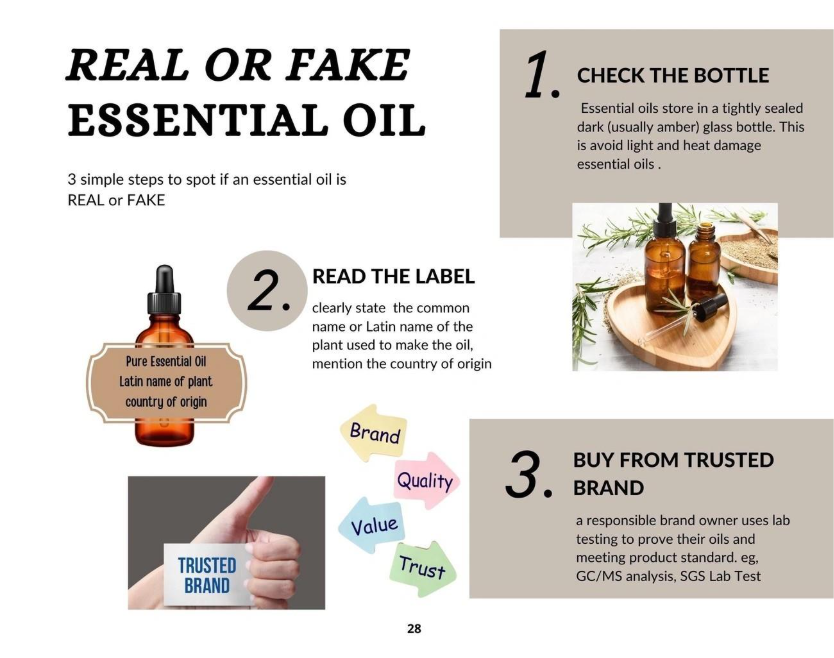
Identifying authentic essential oils requires attention to specific details that reveal quality and purity. Here are eight reliable indicators to help you distinguish genuine products from counterfeits.
1. No GC/MS report available
Gas Chromatography-Mass Spectrometry (GC/MS) testing is the gold standard for verifying essential oil purity. Reputable companies conduct these tests for each batch and make reports available to consumers. Without this critical analysis, you cannot confirm what’s actually in the bottle—whether it contains adulterants, synthetics, or the expected plant compounds.
2. Missing Latin name on label
Always purchase oils by their Latin botanical name. This precise identification prevents confusion between similar plants that might share common names but possess entirely different properties. Missing botanical names on labels typically indicate poor quality control and may conceal substitutions or improper sourcing.
Extremely low pricing often reveals quality compromises or adulteration. Particularly with expensive oils like sandalwood, rose, and neroli, unusually cheap prices should raise immediate concerns. Although higher prices don’t guarantee quality, oils priced significantly below market averages almost certainly contain dilutents or synthetic additives.
4. No sourcing or origin info
Transparency about country of origin is fundamental. The climate, soil conditions, and growing region significantly impact an oil’s chemical composition and therapeutic properties. Limited supplier information reduces accountability and often indicates companies with something to hide.
5. Overuse of marketing buzzwords
Terms like “therapeutic grade,” “100% pure,” and “certified” are frequently misused. Since no regulatory body oversees these claims, companies freely create impressive-sounding designations without standardized meanings. Focus on specific, verifiable information rather than marketing terminology.
6. Inconsistent smell or color
Genuine essential oils have characteristic aromas and appearances. Unusual colors suggest adulteration or oxidation, while inconsistent quality between batches indicates poor manufacturing processes. If an oil smells like alcohol or artificial fragrance, it likely contains synthetic compounds.
7. No batch or expiration date
Essential oils change over time, making batch numbers and expiration dates crucial for quality tracking. These identifiers allow for traceability and verification of testing results. Their absence often indicates mass production without proper quality control procedures.
Independent certification provides objective verification of quality claims. Reputable companies undergo third-party testing by independent laboratories. Companies operating on a “trust us” basis without providing documentation should be approached with caution.
How to Shop Smart and Avoid Fake Brands
Shopping smartly for essential oils requires vigilance as deception exists at all price points. Most importantly, understanding what separates legitimate companies from questionable ones empowers better purchasing decisions.
Fake essential oils brands: what to watch for
Beware of brands exhibiting multiple red flags simultaneously. Watch for across different oils—legitimate products vary dramatically in production costs. Likewise, year-round availability of seasonally produced oils often indicates synthetic manufacturing. Companies reluctant to provide testing documentation typically have poor quality control or practice intentional fraud.price consistency
How to evaluate a company’s transparency
Trustworthy suppliers demonstrate accountability through comprehensive documentation:
Detailed GC/MS reports for every batch
Clear source information (botanical origin, growing conditions)
Verifiable facility certifications
Complete traceability systems
Companies prioritizing transparency readily share their sourcing practices, extraction methods, and third-party testing results.
Why small-batch distillers are often better
Small-scale distilleries typically maintain stronger quality control throughout the production process. Additionally, these producers often develop direct relationships with their plants—sometimes growing them personally. Subsequently, this intimate connection results in traceable, regionally-based supply chains with greater accountability.
Tips for buying online vs in-store
Online shopping offers distinct advantages, including access to detailed information unavailable in physical stores. Furthermore, legitimate online retailers provide comprehensive GC/MS reports, botanical names, extraction methods, and usage guidelines. Simultaneously, customer reviews provide valuable insights into product quality before purchasing. Conversely, dust-covered bottles in stores indicate oils that have oxidized and lost therapeutic properties.
Conclusion
The essential oil industry remains largely unregulated, therefore consumer education becomes our best defense against deceptive practices. Throughout this guide, we’ve uncovered how marketing terms like “therapeutic grade” lack standardized meaning and serve primarily as sales tactics rather than quality indicators.
Pure essential oils naturally possess therapeutic properties when properly sourced and extracted. However, the market contains countless adulterated products, with studies showing alarming rates of contamination across popular oils. Companies prioritizing profit over quality often cut corners through dilution, synthetic additives, or mislabeling.
Your vigilance when purchasing essential oils matters significantly. Always check for botanical names, appropriate pricing, transparent sourcing information, and most importantly, available GC/MS testing reports. These concrete indicators tell a more reliable story than flashy marketing claims or unrealistic promises.
Small-batch distillers often provide superior products because their intimate connection with plants and production processes typically results in greater accountability. Additionally, third-party certification offers another layer of protection against fraudulent claims.
The next time you shop for essential oils, remember this guide. Armed with knowledge about extraction methods, proper testing, and warning signs of adulteration, you can confidently identify quality products. Genuine essential oils offer remarkable benefits when authentically produced—our goal remains finding these legitimate products amid the sea of imitations. The difference between pure and fake oils goes beyond mere quality; it directly impacts the safety and effectiveness of your aromatherapy experience.
FAQs
Q1. How can I tell if an essential oil is pure? Look for the Latin botanical name on the label, check for a reasonable price (not suspiciously low), and ensure the company provides a GC/MS report. Pure oils should have only one ingredient listed and come from reputable sources that offer transparency about their sourcing and extraction methods.
Q2. What are some red flags that indicate a fake essential oil? Watch out for missing Latin names on labels, inconsistent smells or colors between batches, overuse of marketing buzzwords like “therapeutic grade,” lack of sourcing information, and absence of batch numbers or expiration dates. Extremely low prices, especially for expensive oils like rose or sandalwood, can also indicate adulteration.
Q3. Why is GC/MS testing important for essential oils? Gas Chromatography-Mass Spectrometry (GC/MS) testing is considered the gold standard for verifying essential oil purity. It separates and identifies the components in an oil, revealing its chemical profile and detecting any adulterants or synthetic additives. Reputable companies should make these test results available to consumers.
Q4. Are small-batch distillers better for purchasing essential oils? Often, yes. Small-scale distilleries typically maintain stronger quality control throughout the production process. They tend to have more direct relationships with their plant sources, resulting in traceable, regionally-based supply chains with greater accountability for the final product quality.
Q5. How does the lack of industry regulation affect essential oil quality? The essential oil industry’s lack of standardized regulations allows companies to use misleading marketing terms and make unverified claims about their products. This makes it crucial for consumers to educate themselves on quality indicators and seek out transparent companies that provide detailed information about their sourcing, extraction methods, and testing procedures.
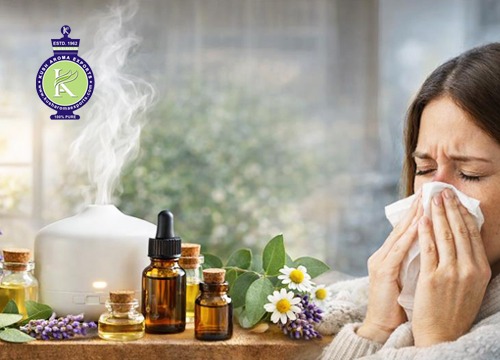
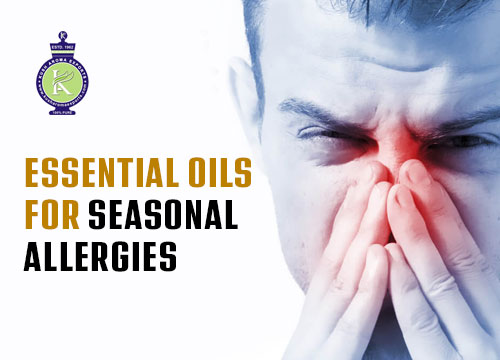
When seasons shift, the air often fills with pollen and allergens making pleasant days a struggle with sneezing itchy eyes, and stuffy noses. People often turn to medicines from stores, but many now look to natural remedies to find relief.
Essential oils step in as a promising option. These oils taken from plants, can ease allergy struggles. They have properties that reduce inflammation, clear up congestion, and calm allergy responses. By using them, you can support your breathing, reduce reactions, and feel more at ease.
Here are seven essential oils you can turn to, to breathe freely and feel better again.
1. Lavender Oil: Nature’s Soothing Antihistamine
Lavender oil has a well-known relaxing scent, but it also works as a natural remedy for allergies. It helps the body manage allergic reactions with its ability to calm inflammation and act as an antihistamine. This can ease stuffy noses and reduce overall discomfort.
How to Use:
Put 2 or 3 drops in a diffuser in your room to help you sleep better when allergies keep you awake.
Mix it with a base oil like coconut or jojoba to rub on your chest or temples.
Add 4 or 5 drops to a warm bath to relax and unwind.
Pro Tip: To get the best outcome, use pure lavender oil sourced from a trusted essential oil producer in India. This ensures both its strength and purity.
2. Peppermint Oil: A Refreshing Decongestant
Peppermint oil helps when you struggle with sinus pressure or a blocked nose. Its menthol provides a cooling effect that works as a natural way to loosen mucus and clear your nasal passages helping you breathe more .
How to Apply:
Breathe in the vapors straight from the bottle or mix two drops into a hot bowl of water to make steam (cover your head with a towel while doing this).
Mix it with a carrier oil and rub it on your chest, throat, and around your sinuses.
Use a diffuser in your workspace to feel refreshed and alert.
3. Eucalyptus Oil: The Breathing Hero
Eucalyptus oil works wonders for breathing issues in allergy season. Cineole, its main component, helps clear congestion and reduces inflammation making it easier to manage sinus pressure and a stuffy nose.
How to Try It:
Put 4-5 drops in a diffuser to clean the air and help with breathing.
Drop a few onto your shower floor to create a calming steamy inhalation.
Mix with a carrier oil and rub on your chest to use as a gentle soothing balm.
4. Tea Tree Oil: The Air-Cleaning Protector
Tea tree oil acts as a strong antimicrobial and reduces inflammation. It has an ability to clear the air of bacteria and allergens while calming skin irritations caused by allergic reactions.
How to Use:
Use it often during high allergy times to clean the air inside.
To cool itchy skin, add a few drops to aloe vera gel and apply.
Place a drop in a facial steamer to ease sinus pressure.
5. Lemon Oil: A Refreshing Detox Aid
Lemon essential oil works as a natural detox helper with its bright and purifying properties. It can help remove mucus calm swelling in the respiratory system, and boost lymphatic flow. Its energizing smell can also improve your mood.
Ways to Use It:
Use a diffuser in the morning to make your space feel fresh and clear.
Put one drop into a glass of water (if it’s pure and safe to consume) or soak it in a warm cloth to place on your chest.
Create DIY surface sprays with it to help reduce allergens in the air.
6. Chamomile Oil: A Gentle Soothing Option
Roman chamomile stands out as a mild oil that helps reduce swelling on the skin or inside the body. It eases allergic skin issues like hives or redness and also helps you relax thanks to its calming effects.
Ways to Use It:
Mix with a carrier oil and rub softly onto irritated or itchy skin.
Put 3 or 4 drops into a warm bath to relax your whole body.
Use in a diffuser at night to help settle your mind and get ready to sleep well.
7. Frankincense Oil: The Immune Supporter
People praise frankincense oil because it aids healing. It has an impact on balancing the immune system and easing inflammation. It reduces the body’s histamine response and strengthens the lungs .
How to Use:
Use a diffuser with this oil by itself or mix it with lavender and lemon to enhance its effects.
Add a little to a carrier oil and rub it onto your chest, throat, or the bottoms of your feet.
Try it while meditating to help encourage slow and steady breathing.
How to and Use Essential Oils
The natural power of these oils is strong, so handling them is important.
Always dilute essential oils with a base oil such as coconut, jojoba, or almond before putting them on skin. This helps avoid skin irritation.
Test a small diluted amount on your inner arm. This patch test helps you notice any reactions.
Use a diffuser or steam to inhale essential oils. These methods work well and are usually safe to try.
The quality of the oil makes a difference. Pure oils are safer and work better. To get authentic and high-quality oils buying from a trusted producer in India can ensure they’re lab-tested and made.
Discover Comfort the Natural Way
Seasonal allergies don’t need to take control of your life. You can use these seven essential oils to help your body and reduce bothersome symptoms. They can make it easier for you to enjoy each season. Begin with one or two oils that feel right for you and see how nature’s remedies can work.
To get the best effects, pick high-quality oils made by a trusted essential oil producer in India. This way, you can make sure your wellness routine stays pure and effective.
Nobody enjoys having spiders wander around their house. Even though spiders help manage other bugs, their presence inside can make many uncomfortable. , nature provides simple methods to keep them away: essential oils. But what smells do spiders avoid? Let’s explore the best scents to keep spiders at bay and ways to create a spider-free space at home!
Why Choose Smells To Keep Spiders Away?
Unlike chemical sprays essential oils provide a safer and eco-friendly option to keep spiders away. Their strong compounds mess with a spider’s sense of smell and make them leave the area.
Advantages of essential oils:
Safe to use around pets and kids if handled
Smells nice to humans
Works as both a spider repellent and an air freshener
Leaves no harmful chemicals behind
What Scents Keep Spiders Away?
These are the essential oils and smells that spiders dislike the most:
1. Peppermint Oil
Spiders avoid the sharp menthol scent of peppermint.
Works as a natural bug killer
Messes with a spider’s sensory system
Makes your home smell great
Steps to use:
Add 10 drops of peppermint oil to water in a handheld sprayer
Spray this mix along corners, window edges, doorframes, and behind large furniture pieces
While people use lavender to relax, it also helps in keeping bugs and spiders away.
Has linalool and linalyl acetate, which spiders try to avoid
Can freshen up a room and help you sleep better
Homemade Idea:
Take a few cotton balls and add a bit of lavender oil.
Put them inside your drawers, closets, or even near air vents.
3. Tea Tree Oil
Tea tree oil works well because it has antifungal and antiseptic features that spiders dislike.
Keeps many pests away.
Cleans floors and keeps bugs from sticking around.
How to use it:
Mix around 10 drops into a bucket of water and use it to mop.
4. Eucalyptus Oil
The sharp, camphor-like smell of eucalyptus oil makes it great at keeping spiders at bay.
It sanitizes .
Diffusing or spraying it works .
Quick tip:
Put eucalyptus oil in a diffuser to spread its scent across bigger spaces like your living room or office.
5. Citrus Oils (Lemon, Orange Grapefruit)
Spiders hate citrus smells due to limonene, which is a natural way to keep pests away.
Uplifting scent that feels fresh
Works to clean, deodorize, and keep spiders at bay
Quick tip:
You can rub citrus peels straight onto windowsills and baseboards.
Another option is to mix citrus essential oils in a spray and use that.
Scents That Help Keep Spiders Away:
Cinnamon – strong and spicy. It keeps spiders and ants away.
Citronella – mostly known to chase off mosquitoes but also works great on spiders.
Vinegar – its sharp sour smell pushes spiders away, though it doesn’t smell as nice as oils.
Ways to Use Essential Oils Against Spiders
1. Make a Spider-Repellent Spray
Create your own spider spray by mixing:
1 cup of water
10–15 drops of an essential oil like peppermint, lavender, or citrus
1 teaspoon of white vinegar (if you choose to add it)
Spray this every week in areas like:
Along baseboards
Around entry points
Into cracks and corners
In attics or basements
2. Using Diffusers
To fill your room with the fragrance, add 5–10 drops of essential oil to a diffuser.
3. Cotton Ball Trick
Dip some cotton balls in essential oils.
Put them in hidden or unused spots such as under sinks, behind furniture, or inside closets.
Tips To Stay Safe While Using Essential Oils
Mix essential oils with a carrier before spraying or applying to surfaces.
Keep them away from pets and do not let them get in your eyes.
Test for any allergic reaction or sensitivity on your skin.
How Essential Oils Work: A Look at the Science
Spiders rely on smell to move around and find food. Essential oils release volatile organic compounds (VOCs), which mess with their scent sensors and create an environment they avoid.
Research from National Institutes of Health backs up the bug-repelling abilities of oils like eucalyptus and peppermint.
How to Pick the Best Essential Oils?
Pick oils with these qualities:
100% pure and natural ingredients
No artificial additives
Stored in dark glass bottles to keep them fresh
If you want oils specifically to repel spiders, explore our natural oil collection designed for great quality and results.
Wrap-Up: Keep Spiders at Bay
So, what smells do spiders dislike? Peppermint, lavender, citrus, eucalyptus, and tea tree oils are some of the top ones. These natural smells keep spiders away and also make your house smell nice.
Essential oils work well as spider repellents. They offer a safe and eco-friendly way to handle the problem, which fits right in with today’s aware lifestyle.
Spiders can be found almost anywhere! They can weave their webs around trees, on your windows, or even directly on your face from your ceilings. Many people are afraid of spiders, and there are valid reasons for your fear of these creepy crawlies. Their sting can cause severe irritation as well as change the texture and appearance of your skin. In this blog, we’ll walk you through the top 10 essential oils that naturally repel spiders and how you can easily use them at home. Buy organic essential oil today and discover how to make your own DIY spider repellent with ingredients straight from nature!
Top 10 Essential Oils to Repel Spiders Naturally
We discovered that some essential oils are effective insect repellents after conducting extensive research on the subject. They are also very easily available at local essential oils suppliers. As a result, we’ve compiled a list of essential oils that have proven to be effective spider repellents for you! Let’s go over these essential oils one by one!
1. Peppermint Essential Oil
The strong fragrance of peppermint essential oil repels many insects, including spiders. It also has a refreshing aroma that removes foul odors from the environment.
Pour 5 to 6 drops of essential oil into a water bowl and fill the spray bottle with it. Spray this peppermint essential oil solution in areas where spiders can make webs.
2. Eucalyptus Essential Oil
The insect repellent properties of eucalyptus essential oil are well known. This essential oil has a strong aroma that can deter spiders and other insects from entering your home.
Furthermore, it serves as a room freshener and can keep bacteria and other microbes at bay. Add some pure eucalyptus essential oil to cotton balls and place them in areas where spiders may congregate.
3. Tea Tree Essential Oil
Tea tree essential oil has a strong scent and chemical composition that repels many insects, including spiders. It works better when combined with lemon or lavender essential oils.
To keep spiders and other insects away from your home, purchase pure and concentrated tea tree essential oils. However, don’t diffuse too many of these oils because they have a strong odor.
4. Spider Lavender Essential Oil
Lavender essential oil is well-known for its calming and magical aroma. However, many people are unaware that it can also repel insects such as spiders and mosquitoes.
Make your own spider repellent oil by combining a few drops of lavender essential oil in a water bowl. After that, spray the mixture in areas where spiders can construct webs.
5. Citronella Essential Oil
Citronella essential oil has been shown to repel insects. This essential oil can also be used to repel other insects such as bugs, mosquitoes, and flies.
Citronella essential oil has a strong aroma that is used in commercial insect repellents. It has been discovered that spiders dislike the smell of citronella and will flee areas where it has been sprayed.
6. Lemon Essential Oil
One of the most effective spider repellents is natural lemon essential oil. It has strong insect repellent properties and can be used as a room freshener due to its invigorating aroma.
Fill a spray bottle with 1 tablespoon of lemon essential oil and 1 tablespoon of water. Use this solution whenever you notice spiders in your home.
7. Clove Essential Oil
Spiders despise certain foods, including cloves. Eugenol is abundant in clove essential oil. This compound is known to have insect repellent and killing properties.
You can also combine it with peppermint essential oil to keep spiders and other insects at bay. It also repels cockroaches, ants, bugs, and other pests, keeping your rooms clean and free of annoyances.
8. Rosemary Essential Oil
Rosemary essential oil repels insects. It also repels larger insects like spiders and is usually effective in the first few applications.
After combining it with water, you can either diffuse it or spray it with a spray bottle. It can also protect plants and crops from insects such as spiders.
9. Lemongrass Essential Oil
Lemongrass plants repel negative energy from your home. Similarly, using an insect repellent that contains lemongrass essential oil repels insects and nuisances, instantly creating spiders.
Furthermore, you can make a DIY insect repellent by combining it with water or blending it with other essential oils. Because of these properties, it is one of the best essential oils for repelling spiders.
10. Cedarwood Essential Oil
Cedarwood essential oil is commonly used to clean and scent your rooms and living spaces. Few people realize, however, that it can also be used to repel insects such as fleas, mosquitoes, lice, and spiders.
It is also effective against ticks and gnats. To keep spiders away, keep cotton balls soaked in cedarwood essential oil or mix them with water and spray through a spray bottle!
Recipes for Spiders Repellent
In the following sections, we have provided some DIY spider repellent essential oil recipes that you can use to repel spiders and other insects.
1. Essential Oil-Infused Spider Spray
To make a strong spider repellent spray, combine some essential oils that are effective against spiders. For this recipe, we used peppermint, citronella, and lemongrass essential oils. You can, however, use any of the other essential oils listed above.
Ingredients:
10 drops peppermint essential oil
10 drops Citronella Essential Oil
5 drops lemongrass essential oil
2 cups of water
Directions:
Step 1: Combine the essential oils listed above in two bowls of water.
Step 2: Pour the mixture into a spray bottle and shake vigorously. This spray can be used to repel insects such as spiders.
2. Spider Repellent Essential Oil Diffuser
When creating a diffuser blend, concentrate on essential oils with aromas strong enough to repel spiders. In this recipe, we used essential oils of Eucalyptus, Rosemary, and Clove. However, you can experiment with different blends to see which one works best against spiders.
Ingredients:
10 drops essential oil of eucalyptus
15 drops essential oil of rosemary
10 drops of clove essential oil
Directions:
Step 1: Combine all of the essential oils in a carrier oil. Fill the reed diffuser with it.
Step 2: Over time, the aromatic molecules will spread throughout the rooms, driving insects such as spiders away.
Conclusion
There are some methods for keeping spiders out of your home. Use essential oils to repel insects such as spiders, flies, mosquitoes, and other insects and bugs. You should diffuse these essential oils in your home or surrounding area to keep these pesky insects away from your living space.
Essential oils get all the attention, but carrier oils are the real hero in natural care. Essential oils pack a punch and need to be watered down, while carrier oils bring them to your skin and hair. These plant-based oils aren’t just for mixing they’re loaded with good-for-you vitamins, fatty acids your body needs, and antioxidants that protect you. They’ve got plenty of perks on their own.
Let’s examine these incredible plant extracts in more detail and see which carrier oils are ideal for aromatherapy, skincare, hair care, and general well-being.
What are carrier oils?
The fatty portions of seeds, nuts, or kernels (like apricot kernels) are the source of carrier oils. Because they are effective at “carrying” essential oils onto the skin, they have earned their name. In contrast to essential oils, which have a strong perfume and dissipate quickly, carrier oils are safe to apply to the skin when pure, have a light scent, if any, and do not evaporate fast. Many natural medicines are built on the nutritious foundation of these oils.
Meet the Best: Top Carrier Oils & Their Magic Powers
Jojoba Oil (Simmondsia chinensis):
The Stable Liquid: Its makeup looks just like human sebum (skin’s natural oil).
Benefits: It moisturizes without feeling greasy, keeps oil in check (great for oily/acne-prone and dry skin), calms sensitive skin, makes hair shiny, and helps keep your scalp healthy.
Sweet Almond Oil (Prunus amygdalus dulcis):
The Light Feeder: Full of Vitamin E fatty acids, and antioxidants. Sinks in fast.
Benefits: It moisturizes , makes skin look and feel better, helps with puffy eyes and dark circles, soothes itchy skin (eczema/psoriasis), and makes hair roots stronger so hair grows better.
Fractionated Coconut Oil (Cocos nucifera):
The Stable Liquid: Stays liquid at room temperature, odorless, lightweight, and non-greasy.
Benefits: Excellent massage base, readily absorbs, provides light moisture without clogging pores, possesses natural antibacterial/fungal properties, and adds softness and manageability to hair.
Argan Oil (Argania spinosa):
Liquid Gold: Sourced from Moroccan argan nuts, a luxurious treat.
Benefits: Rich in Vitamin E and Omega fatty acids. Deeply moisturizes, boosts skin elasticity and radiance, reduces the appearance of fine lines and wrinkles, and revitalizes dry, frizzy, or damaged hair.
Grapeseed Oil (Vitis vinifera):
The Silky Lightweight: Very fine texture, easily absorbed.
Benefits: Ideal for oily and acne-prone skin. Helps tighten pores, regulate sebum production, heal acne and reduce scarring, and imparts a smooth, shiny finish to hair.
Avocado Oil (Persea americana):
The Deep Penetrator: Richer and thicker, perfect for intense nourishment.
Benefits: Superb for dry, mature, or sun-damaged skin. Deeply hydrates, boosts collagen production, soothes inflammation and sunburn, and strengthens hair, reducing breakage and split ends.
Olive Oil (Olea europaea):
The Kitchen Staple Star: A readily available oil packed with goodness.
Benefits: Repairs and protects the skin’s natural barrier, combats dryness and signs of aging, promotes a healthy scalp reducing dandruff, and can even condition and strengthen eyelashes and eyebrows.
Castor Oil (Ricinus communis):
The Thick Treatment: Viscous and sticky; often best diluted with lighter oils.
Benefits: Renowned for promoting hair growth and thickness, treating dry scalp and split ends, deeply healing cracked heels and chapped lips, and reducing inflammation.
Harnessing the Power: How to Use Carrier Oils
The beauty of carrier oils lies in their versatility:
Solo Act: Apply directly to skin as a moisturizer, to hair as a pre-wash treatment or leave-in conditioner, or to nails and cuticles.
Essential Oil Partner: Dilute essential oils (typically 1-3% concentration for skin) in your chosen carrier oil for safe topical application.
Massage Medium: The perfect base for relaxing or therapeutic massage blends.
DIY Dynamo: Use as the primary oil base in homemade scrubs, lotions, balms, serums, and hair masks.
Find Your Perfect Botanical Match
Choosing the ideal carrier oil depends on your unique needs – your skin type (oily, dry, sensitive, mature), hair concerns (dryness, damage, thinning), and wellness goals (hydration, soothing, anti-aging). Experiment to discover which oils resonate best with your body.
Experience the Pure Difference with Kush Aroma Exports
Unlock the transformative potential of nature’s finest carrier oils. At Kusharomaexports.com, we are committed to providing you with the highest quality, pure, cold-pressed carrier oils. Sourced for their potency and purity, our oils are ideal for:
Your personal daily skincare and haircare rituals
Enhancing professional spa and massage treatments
Formulating your own natural beauty and wellness products
Elevate your natural wellness journey. Explore our extensive collection of premium carrier oils at Kusharomaexports.com today and nourish your body from the outside in! Discover the difference pure botanicals can make.
People have treasured rose water as a beauty secret for hundreds of years. Its soft scent and many perks for skin health explain why it’s become a favorite in natural skincare routines worldwide. In this post, we’ll take a close look at how rose water can give you glowing skin, share easy ways to use it every day, and talk about mixing it with essential oils to boost its effects. If you’re just starting with natural skincare or want tried-and-true advice to improve your routine, you’ve come to the right place.
The History of Rose Water in Skincare
Rose water is used for ancient civilizations in beauty and welfare. Persians, Egyptians, and Indians were all iconic roses for their aromatic and healing properties. Historical records indicate that Cleopatra herself soaked in rose water to preserve her famous bright skin. This ancient ritual was not completely about luxury, but also about exploiting powerful compounds found in roses to calm the skin, hydrate and rejuvenate the skin. From generations, these practices have developed, but modern natural skincare is forming the basis of resignation.
What Makes Rose Water So Special?
Rose water isn’t just a nice-smelling liquid; it has many perks for different skin types. Here’s why people love rose water:
1. Rose water is rich in antioxidants, which combat free radicals – molecules that lead to oxidative stress leading to premature aging. By neutralizing these free radicals, rose water helps maintain a young glow and delays the formation of fine lines and wrinkles.
2. Anti -inflammatory properties of rose water make it great to calm the natural anti -inflammatory properties of irritated or swollen skin. If you have redness after sunburn, razor burn, or after a facial rose water, it can help reduce discomfort and reduce inflammation.
3. One of the most useful benefits of hydration and moisture rose water is how it is hydrated. It acts as a natural toner that maintains moisture and refreshes the skin. It is important to maintain soft and glowing skin.
4. Balancing pH Levels Keeping skin pH balanced is crucial to maintain its natural barrier, and rose water does just that. It helps restore the skin’s ideal pH after cleaning ensuring your skin stays strong against environmental pollutants and bacteria.
5.Rose water is gentle enough for even the most sensitive skin types. Unlike some synthetic products that can harm the skin by stripping it of its natural oils, rose water nourishes without causing irritation, which can be soothing to use every day.
Key Benefits of Rose Water for Glowing Skin
Let’s delve deeper into the specific benefits rose water can bring to your skin:
Soothing and Calming
Rose water is an outstanding calming product. It soothes irritated skin and reduces redness, and it can provide relief from ailments like eczema or dermatitis. The cooling sensation is essential after long times in the sun or after certain acne treatments that can cause irritation.
Natural Astringent
Rose water’s astringent properties aid in the tightening of pores and draws out excess oil. This is especially beneficial for those with combination or oily skin types as the refined look of closed pores contributes to an overall smoother complexion. Rose water can also round out oil production, thus limiting future breakouts.
Enhances Skin Elasticity
Using rose water on a regular basis can improve your skin elasticity. The natural elements in roses promote blood circulation and stimulate collagen production, which are both important in keeping skin firm and supple. A benefit of using rose water daily is that it can increase your skin elasticity – bigger elasticity means less sagging over time, and perhaps improved appearance.
Boosts Radiance
Rose water helps maintain a healthy, natural glow by moisturizing and repairing the skin. It also offers very mild exfoliating properties to help shed dead skin cells while encouraging new cell development. The gentle refresh from rose water will allow skin to appear brighter with a healthy, natural radiance.
Antiseptic Properties
Because rose water has antiseptic properties, it can help purify skin and help alleviate the onset of acne. When applied to problematic spots, rose water removes germs and bacteria without disrupting skin hydration—a common effect of harsher acne treatments.
Promotes Relaxation and Reduces Stress
The gentle scent of rose water isn’t just a treat for the skin; it’s a delight for the senses. The calming aroma can alleviate stress and create a spa-like experience right at home. Reduced stress levels have long been associated with healthier skin, making rose water a dual-action remedy for both the mind and body.
How to Use Rose Water for Glowing Skin
Integrating rose water into your skincare routine is straightforward, versatile, and beneficial. Here are some practical ways to reap its rewards:
Daily Toner
How-to:
Cleanse First: Begin with your regular facial cleanser to remove any dirt or makeup.
Apply Rose Water: Using a cotton pad, gently dab rose water on your face or spritz directly from a spray bottle.
Moisturize: Follow up with your favorite moisturizer to lock in hydration.
Why It Works:
This daily practice not only helps in removing residual impurities but also primes your skin for further treatments, leaving it refreshed and balanced.
Refreshing Mist
How-to:
Fill a clean spray bottle with rose water.
Mist your face throughout the day to maintain hydration and combat environmental stressors.
Why It Works:
A quick spritz delivers instant hydration and a revitalizing burst, making it ideal for hot days or long hours in air-conditioned spaces.
Makeup Setting Spray
How-to:
After applying makeup, lightly spray your face with rose water to set your makeup in place.
Why It Works:
This not only helps in locking in your makeup, ensuring a longer-lasting finish, but also imparts a natural glow to your skin as you go about your day.
Post-Shaving Soother
How-to:
Apply rose water to your face after shaving as a toner to soothe irritation and minimize razor burn.
Why It Works:
The cooling and anti-inflammatory properties provide comfort after shaving, helping the skin to recover quickly from any slight abrasions.
Facial Steam Enhancer
How-to:
Prepare a bowl of hot water, add a few tablespoons of rose water, and lean over the bowl with a towel draped over your head.
Allow the steam to gently open up your pores for 5-10 minutes.
Follow with a cold splash of water to close the pores.
Why It Works:
The steam infused with rose water helps in deep cleansing by opening up the pores, allowing impurities to be released. After the steam, you can apply a natural face mask for an added boost of hydration.
How to Mix Rose Water With Essential Oils
Rose water can be an excellent base in which you can add a variety of essential oils for increased benefits. Essential oils not only provide additional therapeutic properties, but also create a aromatic experience that increases your mood. Here are some popular essential oils to mix with rose water:
Lavender Essential Oil
Benefits:
Calming and Relaxing: Lavender oil is known for its stress relieving properties. When rose is mixed with water, it can further calm the swelling and sensitive skin, promoting relaxation.
Antibacterial: It helps to purify the skin, reduces the occurrence of acne and blames.
Usage Tip:
Mix a few drops of lavender oil with a spoon of rose water and gently pat on your skin after cleaning for a cool and clear color.
Frankincense Essential Oil
Benefits:
Anti-Aging Properties: Frankinance oil has been acclaimed to reduce the appearance of fine lines and wrinkles. This promotes cell regeneration and improves skin elasticity.
Deep Penetration: This oil effectively calms and revives mature skin.
Usage Tip:
Mix 1-2 drops of frankinance oil in a small bottle of water daily. Use this mixture as a night toner to support the skin repair and maintain a young glow.
Geranium Essential Oil
Benefits:
Skin Balancing: Geranium oil can help balance sebum production, making it suitable for both oily and dry skin types.
Brightening: It also contributes to a more even skin tone and enhances overall radiance.
Usage Tip:
Blend several drops of geranium oil into your rose water. Use it as a refreshing spritz throughout the day or as a cleansing toner to boost your skin’s natural glow.
Neroli Essential Oil
Benefits:
Regenerative Properties: Neroli oil assists in regenerating skin cells, reducing scarring, and smoothing wrinkles.
Soothing Scent: Its pleasant, uplifting fragrance can also help alleviate stress and elevate mood.
Usage Tip:
Combine 1-2 drops of neroli oil with your rose water solution and apply it after washing your face to enhance skin repair and rejuvenation.
Safety and Dilution Tips
Always Dilute: Essential oils are highly concentrated. Always dilute a few drops in a carrier liquid like rose water before applying to your skin.
Patch Test: Before using any new blend on your face, conduct a patch test on a small area of your skin to check for any adverse reactions.
Storage: Store your rose water and essential oil blends in a cool, dark place to preserve their potency and efficacy.
By merging these essential oils with rose water, you unlock a synergistic effect that not only improves your skin’s appearance but also transforms your daily skincare routine into a therapeutic ritual.
Incorporating Rose Water Into Your Daily Routine
Integrating rose water into your skincare regimen doesn’t have to be a complex process. Here’s a simple daily routine to help you make the most of this natural wonder:
Morning Routine
Cleanse: Start with a gentle cleanser to remove any overnight impurities.
Tone: Use a cotton pad soaked in rose water or spritz your face with a rose water bottle.
Essential Oil Boost: Optionally, add a drop or two of an essential oil of your choice to enhance the formula.
Moisturize: Seal in the moisture with a good-quality moisturizer.
Sun Protection: Apply sunscreen to protect your skin from harmful UV rays if you’ll be stepping out.
Evening Routine
Cleanse: Remove makeup and dirt accumulated over the day with a gentle cleanser.
Steam: If you’re up for it, use the rose water steam method once or twice a week to give your skin a deep cleanse.
Tone and Treat: Use rose water as a toner. If desired, apply a serum or targeted treatment.
Hydrate: Finish with a rich night cream or oil to lock in moisture and aid overnight repair.
Relax: Take a moment to enjoy the natural fragrance of your rose water blend as a way to unwind and relieve daily stress.
Maintaining consistency in your routine is key to achieving that coveted, glowing skin. With regular use, the skin benefits from continuous hydration, balanced pH, and a refreshing boost of antioxidants.
The Science Behind Rose Water’s Efficacy
Rose water contains various bioactive compounds like polyphenols, flavonoids, and vitamins. These compounds contribute to its multiple actions on the skin:
Anti-inflammatory agents help calm redness and inflammation.
Antioxidants work to neutralize free radicals that can damage skin cells.
Natural acids can act as a gentle exfoliator to remove dead skin cells without harsh scrubbing.
Scientific studies continue to explore these active ingredients, and while research is ongoing, the traditional use of rose water provides a solid foundation for its current popularity in skincare formulations.
Final Thoughts
Incorporating rose water into your skincare routine can lead to visibly glowing, rejuvenated skin. Its natural properties work in harmony with your skin’s biological processes to soothe, hydrate, and protect. Whether you’re using it as a daily toner, a refreshing mist, or mixing it with essential oils for added benefits, this age-old remedy proves that nature often holds the key to modern beauty challenges.
Rose water offers a gentle, effective alternative to harsh chemicals, making it perfect for anyone who wants a natural way to boost their skin’s radiance and overall health.
If you’re looking for high-quality rose water or best essential oil for your skin care routine explore the range from Kush Aroma Export. Our commitment to quality and purity ensures that you’re not only indulging in timeless beauty practices but also embracing products that support your skin’s natural brilliance.
You may feel horrified by the very idea of applying oil to your oily skin, but what if we tell you that some oils are really beneficial? As a matter of fact, some oils not only do not make oily skin worse but also help to balance it. One of such underrated oils is rosehip oil. By vitamins, antioxidants, and essential fatty acids, it’s apparent that rosehip oil stole the limelight in the world of skincare. Nevertheless, it still has a lot of people on the fence. Is rosehip oil a friend or foe for oily skin?
Let’s bust the myths and get to the truth about rosehip oil’s role in the skincare routine.
What is Rosehip Oil?
Rosehip oil is derived from the fruit and seeds of the wild rose bush (Rosa canina), native to Chile in most cases. While rose oil is derived from rose petals, rosehip oil has a dry texture and has intense skin-healing properties. It’s loaded with:
Vitamin A (Retinoids): Stimulates cell turnover and diminishes signs of acne and aging.
Vitamin C: Enhances collagen synthesis and clarifies the complexion.
Essential Fatty Acids (Omega-3 and Omega-6): Facilitates skin repair barrier.
Lycopene and Beta-Carotene: Antioxidant that enhances color of the skin and guards against free radicals.
Its nutritional value makes rosehip oil a beneficial partner in maintaining several skin problems—even for people who are struggling with excess sebum.
Myth 1: Oils Are Bad for Oily Skin
Fact: Not every oil is a greasy menace. Rosehip oil, for example, is what’s known as a dry oil, which means that it penetrates the skin very fast without leaving that greasy feeling behind. It closely replicates your own natural sebum. When your skin has been stripped of oil (which frequently happens when using harsh cleansers), it may overcompensate. By applying a moisturizing oil such as rosehip, you’re telling your skin to relax and not overproduce oil.
Truth Bomb: Rosehip oil actually regulates the production of oil.
Myth 2: Rosehip Oil Clogs Pores
Fact: Rosehip oil is non-comedogenic. It has a low rating on the comedogenic scale, meaning it has a very low chance of clogging your pores. This is especially beneficial for oily and acne skin. The fact that rosehip oil contains linoleic acid is particularly important here. Research indicates that acne skin usually has low linoleic acid levels, which lead to clogged pores. Rosehip oil restores this balance.
Truth Bomb: It might actually stop breakouts instead of induce them.
Myth 3: Rosehip Oil is Only Suitable for Dry or Aging Skin
Fact: Rosehip oil is famous for its anti-aging properties, but it’s not just for mature or dry skin. Its light texture, anti-inflammatory phytochemicals, and complexion-brightening vitamins give it a great spot in oily skin regimens. It treats acne marks, hyperpigmentation, and redness without leaving the skin heavy.
Truth Bomb: This oil is suitable for all skin types, including oily and acne.
Myth 4: Rosehip Oil Can Replace Moisturizer
Fact: Although rosehip oil is moisturizing, it doesn’t substitute a good moisturizer—particularly for oily skin that still requires water-based hydration. Use it as a supplement to your moisturizer. Apply it as the last step in your skincare routine to seal in all the goodness from earlier products.
Truth Bomb: Apply it with a moisturizer, not in place of.
Myth 5: Rosehip Oil Makes Your Skin Sensitive to the Sun
Fact: Contrary to citrus oils, which can photo-sensitize your skin, rosehip oil can be applied safely during the daytime. On a related note, however, it does not take the place of sunscreen. Its antioxidants even potentially provide a shield against environmental aggressors.
Truth Bomb: Rosehip oil doesn’t sun-sensitize your skin, but SPF isn’t optional.
The Benefits of Rosehip Oil for Oily Skin
Let’s move past the myths and discuss science-supported benefits:
Sebum Control: Due to its high linoleic acid composition, it assists in balancing overactive sebaceous glands.
Scar Fading: With its vitamins A and C content, rosehip oil encourages skin regeneration and can assist in reducing acne scars and hyperpigmentation.
Calms Inflammation: Its anti-inflammatory nature assists in minimizing redness and swelling caused by breakouts.
Enhances Skin Texture: Daily use can result in smoother, more even-toned skin.
Lightweight and Absorbent: In contrast to heavy oils, rosehip oil sinks quickly, making it perfect for day or wearing underneath makeup.
How to Incorporate Rosehip Oil into Your Routine
1. Wash your face with a non-stripping, gentle cleanser.
2. Use toner or water-based serum (such as niacinamide or hyaluronic acid).
3. Put a few drops of rosehip oil onto your fingertips and gently press it into your skin. Use sparingly—2-3 drops is sufficient.
4. Seal in with a light moisturizer if necessary.
Pro Tip: Apply at night for optimal results. If daytime application, follow with SPF.
Who Should Avoid It?
Although rosehip oil is safe for most skin types, individuals with:
Extremely sensitive skin
A documented allergy to rose plants
should patch-test beforehand or see a dermatologist before using it fully. Also, if you are already on prescription retinoids, you might want to steer clear of layering with rosehip oil because of vitamin A content.
Final Thoughts
Oily skin may be stubborn, but with the right ingredients, all that changes. Rosehip oil is a carefully balanced combination of moisturizing, anti-inflammatory care, and sebum control without comedogenicity. Despite myths to the contrary, the science and increasing user reports tell the picture clearly: rosehip oil isn’t the villain of oily skin. It may be its hidden ally.
Want to Give it a Go?
If considering incorporating rosehip oil into your regimen, quality trumps quantity. Find 100% pure, cold-pressed, and organic rosehip essential oilso you get all of its skin-benefiting properties.
Find the purest skin care experience with Kush Aroma Export. Our carefully prepared cold-pressed Rosehip Oil is chemical-free and additive-free, great for oily and sensitive skin.
Balance your skin naturally. Switch to Rosehip Oil from Kush Aroma Export today. Oily Skin
Hydration and nourishment are the two most important things when it comes to healthy and glowing skin. Though lotions and creams have been the preferred choice for all till now, body essential oils are slowly but surely emerging as a popular alternative due to their power to richly nourish, soften, and guard the skin. Body oils oressential oils penetrate deeper into the skin compared to lotions or creams, providing longer-lasting hydration and needed nutrients. No matter if you have dry, sensitive, or aging skin, the right body oil can be an absolute miracle.
In this guide, we will discuss some of the best body oils that can give you soft, radiant skin and offer a variety of skincare benefits.
Why Use Body Oils?
Body oils have a few benefits over standard moisturizers:
Intensive Moisturizing: Because oils are lipid-based, they are better at retaining moisture than water-based creams.
Nutrient-Rich: Most body oils include essential fatty acids, vitamins, and antioxidants that support healthy skin.
Protective Barrier: Oils work to repair the natural skin barrier, guarding against environmental assault and moisture loss.
Versatility: Body oils can be applied alone, blended with lotions, or even added to bathwater for enhanced nutrition.
Perfect for All Skin Types: Formulated well, body oils are capable of catering to dry, oily, as well as sensitive skin.
Now, let’s explore the best body oils for soft, nourished skin.
Jojoba Oil
Benefits:
Closely mimics the skin’s natural sebum
Non-comedogenic (won’t clog pores)
B-complex vitamins and vitamin E for restoration to the skin
Jojoba oil is the most versatile of body oils on the market today. As similar to natural skin oils, it absorbs quickly with no residual effect. It contributes a balancing role to oil secretions, in that dry skin as well as oily skin may both be helped. Jojoba oil contains antibacterial elements within it that can be beneficial in minimizing acne-tendency skin.
Coconut Oil
Benefits:
Extremely moisturizing and hydrating
Rich in lauric acid with antimicrobial action
Creates a protective shield against environmental stress
Coconut oil is the world’s favorite natural moisturizer. Its fatty acids give a deep hydration, so it’s a great product for dry, rough skin. But it’s comedogenic, so it won’t be the best option for acne skin. Used sparingly, it leaves skin feeling smooth and supple.
Argan Oil
Benefits:
Rich in vitamin E and fatty acids
Anti-aging
Light and easily absorbed
Argan oil, which has been called “liquid gold,” is a great option for those who want to enhance skin elasticity and diminish the appearance of aging. It softens the skin, minimizes fine lines, and regains its youthful glow. Argan oil also reduces inflammation, making it great for sensitive skin conditions such as eczema.
Almond Oil
Benefits:
High in omega-3 fatty acids and vitamin E
Heals and soothes dry skin
Reduces stretch marks and scars
Almond oil is one superstar for the skin. It particularly works best at preventing inflammation, stretch marks, and scars. Due to its lightweight quality, it does not clog the skin and can serve as a day cream.
Olive Oil
Advantages:
High in antioxidant and vitamin E
Antiacne and heavily moisturizing
Prevents premature aging
Olive oil has been around for centuries as a natural beauty treatment. It is rich in antioxidants and fatty acids that will soften and hydrate the skin. But it’s a greasier oil so maybe best reserved for nighttime or for those with intolerably dry skin.
Rosehip Oil
Benefits:
Rich in vitamins A and C
Spurs collagen formation
Fades hyperpigmentation and scarring
Rosehip oil is a renewing oil. It smoothes out skin texture, minimizes scars, and encourages collagen growth. If you want to have a light oil that makes your skin feel smooth, rosehip oil is for you.
Avocado Oil
Benefits:
Moisturizing and nourishing
Full of antioxidants and essential fatty acids
Relaxes red and sensitive skin
Avocado oil is a good option for those with mature or dry skin. It is deeply penetrating, imparting long-term moisture and aiding in the skin’s elasticity. It is also full of vitamins A, D, and E, which mend and protect the skin.
Grapeseed Oil
Advantages:
Light and non-greasy
Linoleic acid and antioxidant-rich
Tightens and firms skin
Grapeseed oil is best suited for an individual who wants to use a fast-absorbed, non-oily oil. It contains high levels of antioxidants and smooths the skin’s texture. It also contains astringent properties to firm up and tighten the skin.
Sesame Oil
Benefits:
Natural antibacterial and antifungal effect
Extremely moisturizing
Best suited for Ayurvedic self-massage (Abhyanga)
Sesame oil has been utilized in Ayurveda for centuries because of its healing and purifying nature. It is a great massage oil, stimulating blood circulation while thoroughly hydrating the skin.
Marula Oil
Advantages:
Rich in antioxidants and amino acids
Lightweight and non-greasy
Reduces inflammation and redness
Marula oil is excellent for dry and sensitive skin as it deeply moisturizes without blocking pores. It is rich in antioxidants and soothes redness and irritation and is an excellent option for reactive skin.
How to Use Body Oils for Maximum Benefit
Apply on Wet Skin: For optimal absorption, apply body oil immediately after showering when your skin is wet.
Massage Slowly: Apply slow, circular motions to allow the oil to penetrate deep into the skin.
Mix with Lotion: For a light texture, blend a few drops of oil with your daily body lotion.
Use Before Bed: Night oiling enables greater moisturizing and repair of the skin during sleep.
Add to Bathwater: To give an extra touch of luxury, toss a few drops of your preferred oil into the bath.
Conclusion
Body oils are an excellent means of moisturizing and softening your skin naturally. Based on whether you apply jojoba, coconut, argan, or rosehip oil, each of which has some difference in terms of benefits to address various skin requirements. Applying body oils in your skincare routine, you are able to have a glowing, healthy complexion, while defending your skin from dryness and aging.
For the finest quality essential and carrier oils, Kush Aroma Exports offers a wide range of premium, all-natural oils to enhance your skincare routine. Discover the perfect body oil for your skin today and embrace the power of nature’s best ingredients!