
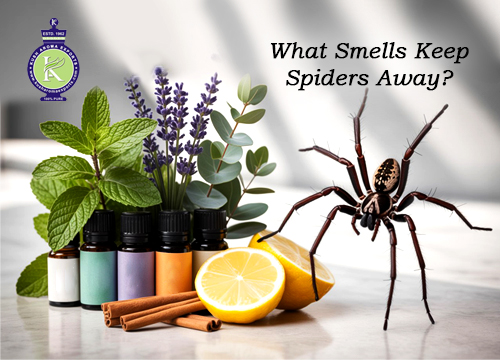
Spiders are most commonly said to avoid peppermint, tea tree, lavender, eucalyptus, citrus, cinnamon, citronella and vinegar. These strong scents can overwhelm the sensory organs spiders use to explore, so they tend to avoid treated areas. Scents work as a deterrent, not a cure, and several of these oils are toxic to cats and dogs.
Finding a spider in your home is never pleasant, but reaching for harsh chemical sprays isn’t always the best answer. That’s why many people turn to natural scents like peppermint, tea tree and lavender. In this guide, you’ll learn which smells spiders dislike, how to use them safely, and when scents alone aren’t enough.
Key Takeaways
- Peppermint is the most recommended scent for deterring spiders, followed by tea tree, lavender, eucalyptus and citrus.
- Scientific evidence for household spiders specifically is limited, so treat scents as one layer of prevention.
- Tea tree, peppermint, eucalyptus and citrus oils can poison cats and dogs. Check with your vet first.
- A spray works best when the oil is blended with alcohol or witch hazel and reapplied weekly.
- Sealing gaps, decluttering and vacuuming do more than any scent.
Spiders do eat other insects, but many people would still rather not share a room with them. The good news is that you can discourage them with common, plant-based scents such as natural essential oils, without harsh chemical sprays.
For a similar approach to other household pests, read our guide to essential oils for scorpion prevention.
Why Do Smells Keep Spiders Away?
Spiders sense the world mainly through sensitive hairs and organs on their legs, which detect touch, vibration and chemicals in the air and on surfaces. Strong plant aromas contain volatile compounds, such as menthol in peppermint and limonene in citrus, that may irritate or mask the cues spiders rely on. When a corner or doorway smells overpowering, spiders are less likely to settle there.
That said, research on essential oils and household spiders is limited. Much of the evidence comes from studies on other insects and from everyday experience. Used sensibly, scents can help, but they won’t remove a spider problem on their own.
What Smells Do Spiders Hate? 5 Best Scents to Try
1. Peppermint Oil
Peppermint oil is the most popular spider deterrent. Its sharp menthol aroma is strong enough that spiders tend to avoid it.
How to use it: Add 10 to 15 drops to the spray recipe below. Spray along corners, window edges, doorframes and behind furniture. Looking for pure oil? Explore our peppermint essential oil.
2. Tea Tree Oil
Tea tree oil has a strong medicinal scent that many insects dislike, and it is common in cleaning products.
How to use it: Add about 10 drops to a bucket of warm water for mopping hard floors, or use it in the spray recipe.
Pet warning: Tea tree oil is toxic to cats and dogs. Do not use it in homes where pets could lick or walk through it. Looking for a pure oil? Explore our organic tea tree essential oil.
3. Lavender Oil
Lavender oil is loved for relaxation, but many bugs find it unpleasant. It contains linalool and linalyl acetate, compounds thought to deter pests.
How to use it: Place a few drops on cotton balls and tuck them into drawers, closets and near air vents, out of reach of children and pets. Looking for a pure oil? Explore our lavender absolute oil.
4. Eucalyptus Oil
Eucalyptus oil has a sharp, camphor-like smell that works well in larger spaces.
How to use it: Add a few drops to a diffuser or to the spray recipe. Avoid it in homes with cats or small pets. Looking for pure oil? Explore our eucalyptus essential oil.
5. Citrus (Lemon, Orange and Grapefruit)
Citrus fruits contain limonene, which many pests dislike. The fresh scent of citrus essential oils suits kitchens and bathrooms.
How to use it: Rub fresh peels along windowsills and baseboards, or add a few drops of citrus oil to your spray.
Looking for pure citrus oils? Browse our range of natural essential oils, including lemon, orange and grapefruit.
3 More Scents That Help Keep Spiders Away
These three are not essential oils, but they are easy to find at home and add extra protection.
Cinnamon
Cinnamon has a strong, spicy aroma that spiders and ants tend to avoid. Place cinnamon sticks in cupboard corners and near entry points.
Looking for spice oils? Explore our spice oils collection.
Citronella
Citronella is best known for repelling mosquitoes, but its lemony scent may discourage spiders too. Citronella candles suit patios and porches.
White Vinegar
Vinegar is not an oil, but its sharp smell is another deterrent. Mix equal parts water and white vinegar and wipe windowsills and doorframes. Avoid using it on natural stone such as marble.
Quick Comparison: Which Scent Should You Use?

How to Make a DIY Spider Repellent Spray
Oil and water don’t mix on their own, so the spray needs a blending agent.
You’ll need:
- 1 cup of water
- 1 tablespoon of rubbing alcohol or witch hazel
- 10 to 15 drops of peppermint, lavender or citrus essential oil
- A clean spray bottle (dark glass is best)
Steps:
- Add the alcohol or witch hazel to the bottle first.
- Add the essential oil drops and swirl gently.
- Pour in the water, close the bottle and shake well.
- Shake before every use, then spray baseboards, entry points, corners, cracks, attics and basements.
- Reapply about once a week, since the scent fades.
Test the spray on a small hidden area first to make sure it doesn’t stain the surface.
Shop the oils for this spray: peppermint, lavender, organic tea tree, eucalyptus and more natural essential oils.
Other Ways to Use Scents at Home
- Diffusers: Add 5 to 10 drops of essential oil to a diffuser in a ventilated room. Do not diffuse oils in rooms where cats or small pets are confined.
- Cotton balls: Place oil-soaked cotton balls in hidden, unused spots such as under sinks and behind furniture. Keep them away from children and pets.
Are Essential Oils Safe? Pets, Children and Skin
Essential oils are natural, but they are concentrated and can cause harm. Read our full essential oil safety guide for more detail.
- Pets: Tea tree, peppermint, eucalyptus and citrus oils can be toxic to cats and dogs. Cats are especially sensitive because they process certain compounds slowly. Talk to your vet before using any essential oil in a home with pets.
- Children: Store all oils out of reach and never apply them undiluted.
- Dilution: Always dilute oils before spraying or mopping.
- Skin: Do a patch test before handling oils regularly.
- Ventilation: Keep rooms ventilated when spraying or diffusing.
If a pet shows drooling, vomiting, tremors or difficulty walking after exposure, contact your vet or an animal poison helpline straight away.
Related reading: How to Dilute Essential Oils Correctly.
Do Essential Oils Really Keep Spiders Away?
Partly. Strong scents can discourage spiders from settling in treated spots, and many people report fewer spiders after consistent use. However, there is little controlled research on household spiders, and results vary by species, room and how often you reapply.
The most reliable way to reduce spiders is to remove what attracts them: food (other insects), hiding places and easy entry. (Add one or two links here to credible sources, such as a university extension page or a published study on plant oils and arthropod repellency.)
How to Keep Spiders Out for Good
- Seal entry points: Close gaps around windows, doors, pipes and vents.
- Declutter: Reduce piles of boxes, especially in basements, garages and attics.
- Clean regularly: Vacuum corners, ceilings and under furniture to remove webs and egg sacs.
- Control other insects: Spiders follow their food, so reducing flies and other bugs helps.
- Adjust outdoor lighting: Lights near doors attract insects, which attract spiders.
- Call a professional: If you see venomous species or have a large infestation, contact pest control.
How to Choose Good Quality Essential Oils
If you use essential oils, quality matters. Look for:
- 100% pure essential oil with no synthetic additives
- The botanical (Latin) name on the label
- Dark glass bottles that protect the oil from light
- Clear origin or batch information from a trusted supplier
Kush Aroma Exports is one of the trusted essential oils manufacturers and suppliers, based in Kannauj, India. As one of the essential oil wholesale suppliers in India, we serve wholesale, retail and export buyers who need pure, natural oils in bulk.
Our range of 100% pure essential oils includes peppermint, tea tree, lavender, eucalyptus and more. Whether you are looking for a natural essential oils manufacturer, natural essential oils suppliers, or a 100% natural essential oils manufacturer and supplier for your brand, you can explore our collection or contact our team.
Related reading: How to Choose the Best Supplier of Pure and Natural Essential Oils and How Long Do Essential Oils Last? Shelf Life and Storage Explained.
Final Thoughts
So, what smells do spiders hate? Peppermint, tea tree, lavender, eucalyptus, citrus, cinnamon, citronella and vinegar are all worth trying. Use them safely, keep pets in mind, and pair them with sealing, decluttering and regular cleaning for the best results.
Looking for essential oils wholesale suppliers? Kush Aroma Exports is a natural essential oils manufacturer and supplier offering 100% pure essential oils for bulk and private-label orders. Contact Kush Aroma Exports for quotes, samples and export enquiries.
Related reading:
- What Scents Do Spiders Hate? Discover Natural Ways to Repel Them Using Essential Oils
- Essential Oils for Home Safety: The Power of Scorpion Prevention
- Essential Oil Safety: Eyes, Skin, Kids, Pregnancy and Pets
- How to Dilute Essential Oils Correctly: Charts, Ratios and Carrier Oils
Frequently Asked Questions
Peppermint is one of the most commonly recommended scents for deterring spiders. Other popular options include tea tree, lavender, eucalyptus, and citrus. However, scientific evidence supporting their effectiveness is limited.
Peppermint oil is commonly used in DIY spider-repellent sprays because of its strong minty aroma. It may help deter spiders, but its effectiveness is not guaranteed. Combine preventive measures such as cleaning and sealing entry points for better spider management.
Peppermint, tea tree, lavender, eucalyptus, and citrus oils (lemon, orange, and grapefruit) are commonly used in natural spider-repellent preparations. Their effectiveness can vary, and they should not replace proper pest control.
There is no scientifically established spraying schedule for spider repellents made with essential oils. If you use a DIY spray, follow appropriate dilution and surface-safety instructions rather than assuming weekly application will provide protection.
Not all essential oils are safe for pets. Tea tree, peppermint, eucalyptus, and citrus oils can pose health risks, particularly to cats and dogs. Consult a veterinarian before using essential oils in homes with pets.
Vinegar has a strong smell and is sometimes recommended as a household spider deterrent. However, there is limited scientific evidence that it reliably repels spiders. Avoid applying vinegar to natural stone surfaces because it can damage them.
Essential oil fragrances should not be considered a reliable treatment for spider infestations. Remove webs, reduce clutter, seal entry points, and contact a professional pest-control service if the problem persists.
Spiders generally enter homes in search of food, shelter, and suitable environments. Other insects, cluttered spaces, dark corners, and gaps around doors and windows can make homes attractive to them.