Browsing Category

carrier oil benefits

Cold-Pressed Carrier Oils and Their Benefits
carrier oil benefits, carrier oils

Cold-Pressed Carrier Oils: Nature’s Pure Base for Aromatherapy and Skincare

Have you ever been confused by terms like “cold-pressed,” “expeller-pressed,” or “carrier oil” on a bottle? You’re not alone. In the world of natural wellness, these labels are crucial, yet often misunderstood. They signify not just what an oil is, but how it was made and why that matters for your skin and health.

At its heart, a cold-pressed carrier oil is a two-fold promise of purity and purpose. It is a vegetable oil derived from seeds, nuts, or kernels, and it is extracted using a gentle, heat-controlled process that preserves its vital nutrients. This dual nature makes it the perfect, safe vehicle for potent essential oils and a powerhouse of nourishment on its own. Let’s explore what sets these oils apart and how to harness their benefits.

What is a cold-pressed carrier oil?

To truly appreciate these oils, it helps to separate the two key concepts: “carrier oil” and “cold-pressed.”

  • Carrier Oil:

    This term describes the oil’s function. Carrier oils, also known as base or fixed oils, are used to dilute concentrated essential oils before applying them to the skin. Essential oils are so potent that direct application can cause irritation, burning, or sensitization. A carrier oil safely “carries” the therapeutic essence onto and into your skin. Common examples include coconut, jojoba, sweet almond, and argan oil.
  • Cold-Pressed:

    This term defines the extraction method. It means the oil was obtained by mechanically pressing the plant material without using external heat. The process must keep temperatures below 122°F (50°C) to protect delicate compounds.

Therefore, a cold-pressed carrier oil is a vegetable oil, gently extracted with minimal heat, making it ideal for diluting and applying essential oils. It’s the combination of a beneficial base and a pristine extraction process.

The Gentle Art of Extraction: Why “Cold-Pressed” Matters

The method used to squeeze oil from a seed or nut dramatically impacts its final quality. Unlike solvent extraction (which uses chemicals) or standard expeller pressing (which can generate significant heat), the cold-press method is about preservation.

Machines use a mechanical press or screw to physically crush the plant material. The key is careful control—through slower processing or cooling systems—to ensure friction doesn’t raise the temperature above the critical threshold. This low-temperature environment is what protects the oil’s natural profile:

  • Preserved Nutrients: Heat can degrade vitamins, antioxidants, and essential fatty acids. Cold-pressing keeps these therapeutic properties intact.
  • Natural Color and Scent: The oil retains its true, often vibrant color and a subtle, natural aroma from its source, unlike refined oils which are bleached and deodorized.
  • No Chemical Residues: The process is entirely mechanical and chemical-free, resulting in a cleaner, purer oil.

While this method yields less oil than high-heat or chemical processes, the superior quality of the final product is unmistakable.

A Guide to Popular Cold-Pressed Carrier Oils and Their Benefits

Each carrier oil has a unique composition, offering special benefits for different skin types and concerns. Choosing the right one can elevate your skincare or carrier oil aromatherapy blend.

OilBest ForKey Properties & Benefits
Jojoba OilAll skin types, especially oily/acne-proneTechnically a liquid wax that closely mimics skin’s sebum. Balances oil production, is non-comedogenic, and absorbs easily.
Sweet Almond OilDry, sensitive skin; hair & nail careLightweight, rich in Vitamin E and fatty acids. Soothes and moisturizes skin, strengthens hair and nails.
Rosehip OilAging, scarred, or sun-damaged skinHigh in Vitamins A and C (natural retinoids & antioxidants). Known to improve skin texture, reduce scars and fine lines.
Coconut OilVery dry skin, hair conditioning, soap makingDeeply moisturizing and rich in lauric acid. Excellent emollient, though can be comedogenic for some facial skin.
Argan OilHair frizz, dry skin, anti-agingNutrient-dense with high Vitamin E and antioxidants. Nourishes hair, moisturizes skin, and improves elasticity.
Grapeseed OilOily skin, massage blendsLight, neutral scent, and highly absorbable. Contains linoleic acid and has astringent properties.

The Heart of Aromatherapy: Practical Uses and Blending

In practice, cold-pressed carrier oils are the indispensable foundation of safe and effective aromatherapy. They transform potent essential oils from shelf items into safe topical applications.

Primary Uses:

  • Massage Therapy: Provides the necessary slip for massage while delivering essential oil benefits to the body.
  • Skincare Serums & Moisturizers: Used as a base for facial oils, body lotions, and balms.
  • Hair Treatments: Nourishes the scalp and conditions hair strands, either alone or infused with essential oils.

Safe Dilution is Key: Always dilute essential oils in a carrier oil before skin application. A common safe starting guideline for adults is a 2.5% dilution: about 15 drops of essential oil per 6 teaspoons (30 mL) of carrier oil. For children, sensitive skin, or facial use, dilutions of 0.5%-1% are recommended.

Performing a Patch Test: Before using any new oil blend, do a patch test. Apply a small amount to your inner forearm, cover with a bandage, and check for irritation after 24 hours.

Choosing Quality and Embracing Nature’s Base

The growing demand for pure, natural oils has led to a rise in reputable carrier oil manufacturers in India and globally, who specialize in cold-pressed, organic products. When sourcing oils, look for terms like “cold-pressed,” “unrefined,” and “100% pure.” Oils should be stored in dark glass bottles away from heat and light to maintain their shelf life.

Conclusion: A Simple Choice for Pure Wellness

Cold-pressed carrier oils represent a beautiful synergy between nature and mindful processing. They are more than just a simple base; they are nutrient-rich, therapeutic agents in their own right, amplified by their ability to safely deliver the power of essential oils.

By understanding the importance of the cold-pressed method and the unique virtues of oils like jojoba, rosehip, and almond, you can make informed choices for your natural wellness rituals. Whether you’re crafting a calming aromatherapy blend, a nourishing face serum, or a repairing hair mask, beginning with a pure, cold-pressed carrier oil ensures you’re building your regimen on a foundation of quality and integrity.

FAQs: Cold Pressed Carrier Oils

Q1: What is the main difference between cold-pressed and refined carrier oils?
The core difference lies in processing and nutrient preservation. Cold-pressed oils are extracted mechanically with minimal heat (<122°F/50°C), preserving their natural vitamins, antioxidants, color, and aroma. Refined oils undergo high-heat processing and often chemical treatments, which strip away much of the natural nutrients and scent to create a neutral, shelf-stable oil. For therapeutic and skincare use, cold-pressed is superior.

Q2: Can I use cold-pressed carrier oils directly on my skin without essential oils?
Absolutely. Cold-pressed carrier oils are nutrient-rich emollients and are perfectly safe and beneficial to use alone. For example, jojoba oil can balance oily skin, sweet almond oil can soothe dryness, and rosehip oil can be applied directly to scars or fine lines.

Q3: How do I store cold-pressed carrier oils to make them last longer?
To maximize shelf life (typically 6-24 months depending on the oil), store them in a cool, dark place away from direct sunlight and heat. Always keep the cap tightly sealed. Oils high in polyunsaturated fats (like rosehip or grapeseed) are more delicate and may benefit from refrigeration.

Q4: Are all carrier oils suitable for the face?
No, the suitability depends on your skin type. Lightweight, non-comedogenic oils like jojoba, grapeseed, or argan oil are excellent for most face types, including oily or acne-prone skin. Heavier oils like coconut oil (which is comedogenic for many) are better suited for body or hair use. Always patch-test a new oil on a small area of your skin first.

Q5: Why is sourcing important, and what should I look for in quality carrier oil manufacturers, especially in India?
Sourcing is critical to ensure purity and ethical production. When looking at carrier oil manufacturers in India or elsewhere, prioritize those who:

  • Specify “100% Pure, Cold-Pressed, Unrefined.”
  • Offer organic or certified options, ensuring no pesticides were used.
  • Use dark glass bottles for packaging.
  • Provide transparent information about their extraction process and sourcing.

Q6: Can I use cooking oils like cold-pressed olive oil for aromatherapy?
While food-grade cold-pressed oils are purer than refined cooking oils, they are not always optimized for skincare. Oils meant for carrier oil aromatherapy and skincare are often processed in more controlled environments and may have a longer cosmetic shelf life. It’s generally best to use oils specifically labeled for cosmetic/therapeutic use.

Top carrier oils
carrier oil benefits, carrier oils

Top Carrier Oils for Radiant Skin, Luscious Hair & Total Wellness

Essential oils get all the attention, but carrier oils are the real hero in natural care. Essential oils pack a punch and need to be watered down, while carrier oils bring them to your skin and hair. These plant-based oils aren’t just for mixing they’re loaded with good-for-you vitamins, fatty acids your body needs, and antioxidants that protect you. They’ve got plenty of perks on their own.

Let’s examine these incredible plant extracts in more detail and see which carrier oils are ideal for aromatherapy, skincare, hair care, and general well-being.

What are carrier oils?

The fatty portions of seeds, nuts, or kernels (like apricot kernels) are the source of carrier oils. Because they are effective at “carrying” essential oils onto the skin, they have earned their name. In contrast to essential oils, which have a strong perfume and dissipate quickly, carrier oils are safe to apply to the skin when pure, have a light scent, if any, and do not evaporate fast. Many natural medicines are built on the nutritious foundation of these oils.

Meet the Best: Top Carrier Oils & Their Magic Powers

Jojoba Oil (Simmondsia chinensis):

  • The Stable Liquid: Its makeup looks just like human sebum (skin’s natural oil).

    Benefits: It moisturizes without feeling greasy, keeps oil in check (great for oily/acne-prone and dry skin), calms sensitive skin, makes hair shiny, and helps keep your scalp healthy.

Sweet Almond Oil (Prunus amygdalus dulcis):

  • The Light Feeder: Full of Vitamin E fatty acids, and antioxidants. Sinks in fast.

    Benefits: It moisturizes , makes skin look and feel better, helps with puffy eyes and dark circles, soothes itchy skin (eczema/psoriasis), and makes hair roots stronger so hair grows better.

Fractionated Coconut Oil (Cocos nucifera):

  • The Stable Liquid: Stays liquid at room temperature, odorless, lightweight, and non-greasy.

    Benefits: Excellent massage base, readily absorbs, provides light moisture without clogging pores, possesses natural antibacterial/fungal properties, and adds softness and manageability to hair.

Argan Oil (Argania spinosa):

  • Liquid Gold: Sourced from Moroccan argan nuts, a luxurious treat.

    Benefits: Rich in Vitamin E and Omega fatty acids. Deeply moisturizes, boosts skin elasticity and radiance, reduces the appearance of fine lines and wrinkles, and revitalizes dry, frizzy, or damaged hair.

Grapeseed Oil (Vitis vinifera):

  • The Silky Lightweight: Very fine texture, easily absorbed.

    Benefits: Ideal for oily and acne-prone skin. Helps tighten pores, regulate sebum production, heal acne and reduce scarring, and imparts a smooth, shiny finish to hair.

Avocado Oil (Persea americana):

  • The Deep Penetrator: Richer and thicker, perfect for intense nourishment.

    Benefits: Superb for dry, mature, or sun-damaged skin. Deeply hydrates, boosts collagen production, soothes inflammation and sunburn, and strengthens hair, reducing breakage and split ends.

Olive Oil (Olea europaea):

  • The Kitchen Staple Star: A readily available oil packed with goodness.

    Benefits: Repairs and protects the skin’s natural barrier, combats dryness and signs of aging, promotes a healthy scalp reducing dandruff, and can even condition and strengthen eyelashes and eyebrows.

Castor Oil (Ricinus communis):

  • The Thick Treatment: Viscous and sticky; often best diluted with lighter oils.

    Benefits: Renowned for promoting hair growth and thickness, treating dry scalp and split ends, deeply healing cracked heels and chapped lips, and reducing inflammation.

Harnessing the Power: How to Use Carrier Oils

The beauty of carrier oils lies in their versatility:

  • Solo Act: Apply directly to skin as a moisturizer, to hair as a pre-wash treatment or leave-in conditioner, or to nails and cuticles.
  • Essential Oil Partner: Dilute essential oils (typically 1-3% concentration for skin) in your chosen carrier oil for safe topical application.
  • Massage Medium: The perfect base for relaxing or therapeutic massage blends.
  • DIY Dynamo: Use as the primary oil base in homemade scrubs, lotions, balms, serums, and hair masks.

Find Your Perfect Botanical Match

Choosing the ideal carrier oil depends on your unique needs – your skin type (oily, dry, sensitive, mature), hair concerns (dryness, damage, thinning), and wellness goals (hydration, soothing, anti-aging). Experiment to discover which oils resonate best with your body.

Experience the Pure Difference with Kush Aroma Exports

Unlock the transformative potential of nature’s finest carrier oils. At Kusharomaexports.com, we are committed to providing you with the highest quality, pure, cold-pressed carrier oils. Sourced for their potency and purity, our oils are ideal for:

Your personal daily skincare and haircare rituals

Enhancing professional spa and massage treatments

Formulating your own natural beauty and wellness products

Elevate your natural wellness journey. Explore our extensive collection of premium carrier oils at Kusharomaexports.com today and nourish your body from the outside in! Discover the difference pure botanicals can make.

carrier oils for pigmentation
carrier oil benefits, Essential oils

Top Carrier Oils for Hyperpigmentation—Natural Solutions for Even Skin Tone

Hyperpigmentation is a common skin concern where patches of skin become darker than the surrounding areas due to excess melanin production. While there are many treatments available, natural carrier oils offer a gentle and effective way to reduce dark spots and even out skin tone.

Carrier oils are plant-based oils that nourish, moisturize, and heal the skin without clogging pores. When used consistently, certain carrier oils can help fade hyperpigmentation while improving overall skin health.

In this blog, we’ll explore the best carrier oils for hyperpigmentation, their benefits, and how to use them for glowing, even-toned skin.

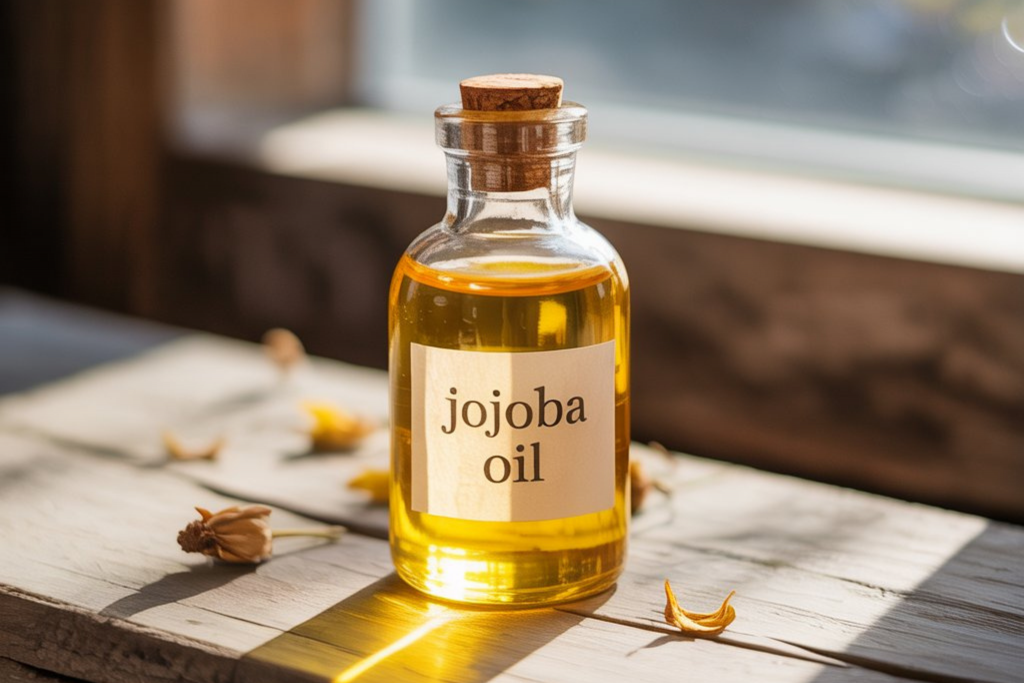
1. Jojoba Golden Pressed Carrier Oil

Why Does It Work for Hyperpigmentation?

Jojoba oil is one of the closest oils to the skin’s natural sebum, making it highly absorbable and non-comedogenic. It’s rich in vitamin E, antioxidants, and fatty acids, which help repair damaged skin and reduce dark spots.

Benefits:

Balances sebum production

Lightens dark spots over time

Hydrates without clogging pores

Soothes inflammation that can worsen pigmentation

How to Use It?

Apply a few drops of jojoba golden pressed oil directly to clean skin or mix it with essential oils like lavender or frankincense for added brightening effects.

2. Argan Carrier Oil (Virgin)

Why It Works for Hyperpigmentation?

Argan oil, often called “liquid gold,” is packed with vitamin E, fatty acids, and antioxidants that promote skin regeneration. It helps fade scars, sunspots, and uneven skin tone while keeping the skin supple.

Benefits:

Reduces melanin overproduction

Deeply moisturizes dry, patchy skin

Protects against free radical damage

Improves skin elasticity

How to Use It?

Massage a few drops of virgin argan oil onto damp skin at night. You can also mix it with rosehip oil for enhanced brightening benefits.

3. Pomegranate Carrier Oil (Refined)

Why It Works for Hyperpigmentation?

Pomegranate oil is rich in punicalagin, a powerful antioxidant that fights oxidative stress and promotes skin repair. It boosts collagen production, helping to fade dark spots and improve skin texture.

Benefits:

Brightens dull skin

Reduces UV-induced pigmentation

Firms and rejuvenates aging skin

Anti-inflammatory properties

How to Use It?

Mix pomegranate oil with your moisturizer or apply it directly to hyperpigmented areas for gradual lightening.
|

4. Black Cumin Seed Carrier Oil (Refined)

Why It Works for Hyperpigmentation?

Black cumin seed oil, also known as Nigella sativa oil, contains thymoquinone, a compound known for its skin-brightening and anti-inflammatory properties. It helps reduce dark spots, acne scars, and uneven skin tone.

Benefits:

Fades stubborn pigmentation

Fights acne and post-inflammatory marks

Strengthens skin barrier

Antimicrobial properties prevent breakouts

How to Use It?

Dilute black cumin seed oil with a lighter oil like grapeseed oil and apply it to affected areas twice daily.

5. Grapeseed Carrier Oil (Organic)

Why It Works for Hyperpigmentation?

Grapeseed oil is lightweight, non-greasy, and packed with linoleic acid and vitamin E, making it ideal for oily and acne-prone skin. It helps fade dark spots while regulating sebum production.

Benefits:

Lightens acne scars and sunspots

Tightens pores

Controls excess oil

High in antioxidants for skin repair

How to Use It?

Apply organic grapeseed oil directly to the skin or blend it with lemon essential oil (diluted) for extra brightening effects.

How to Use Carrier Oils for Best Results?

Patch Test First—Apply a small amount on your wrist to check for allergies.

Consistency is key—use oils daily for at least 4-6 weeks for visible results.

Combine with essential oils—oils like rosehip, frankincense, or carrot seed enhance brightening effects.

Protect from Sun—Always wear sunscreen, as sun exposure can worsen pigmentation.

Also Read: Fading Hyperpigmentation Naturally with Coconut Oil

Final Thoughts

Hyperpigmentation can be frustrating, but natural carrier oils provide a gentle, chemical-free solution to even out skin tone. Jojoba, argan, pomegranate, black cumin seed, and grapeseed oils are some of the best options to fade dark spots while nourishing the skin.

For best results, choose cold-pressed, organic carrier oils (like those from Kush Aroma Exports) to ensure purity and potency. With patience and regular use, these oils can help you achieve a brighter, more radiant complexion.

Fading Hyperpigmentation Naturally with Coconut Oil
carrier oil benefits, carrier oils

Fading Hyperpigmentation Naturally with Coconut Oil

Hyperpigmentation, which is the darkening of certain areas of the skin, is a common issue that affects people of all skin types. Whether it’s sunspots, age spots, or post-inflammatory hyperpigmentation (PIH) from acne or injuries, these uneven patches of color can really mess with your self-confidence and desire for clear, glowing skin. While there are plenty of treatments out there, more and more folks are turning to natural and gentle options. One popular choice? Coconut carrier oil. 

In this guide, we’re going to dive into the nitty-gritty of hyperpigmentation, chat about how coconut oil might help brighten your skin, give you some tips on how to use it in your skincare routine, and offer a holistic approach to getting a more even skin tone naturally. So, let’s get into it! 

What causes hyperpigmentation? 

Before we dive into the benefits of coconut carrier oil, it’s important to understand what causes hyperpigmentation. Our skin color is determined by melanin, a pigment produced by special cells called melanocytes. When these cells go into overdrive in certain areas, they make too much melanin, resulting in darker patches. There are a few things that can trigger this overproduction: 

  • Sun Exposure: The sun’s UV rays are a major culprit. They tell melanocytes to make more melanin to protect the skin from damage. Spending too much time in the sun without protection can lead to sunspots and make existing hyperpigmentation worse. 
  •  Hormonal Changes: Changes in hormone levels, especially during pregnancy (hello, melasma) or hormone therapy, can also cause hyperpigmentation. 
  • Post-Inflammatory Hyperpigmentation (PIH): This type of hyperpigmentation happens after skin inflammation or injury, like acne, eczema, or cuts. As the skin heals, it can produce too much melanin in the affected area, leaving behind dark spots. 
  • Age: As we get older, our melanocytes can start acting up, leading to age spots. 
  • Certain Medications: Some meds can make your skin more sensitive to the sun or tell your melanocytes to go into overdrive, causing hyperpigmentation. 

Coconut Oil a Natural Ally for Brighter Skin 

The coconut oil is derived from the kernel of mature coconuts. It is rich in saturated fatty acids, the principal component of which is lauric acid. It contains other beneficial compounds like caprylic acid, capric acid, vitamin E, and certain antioxidants. These are the causes for some of the characteristics that indirectly help in reducing hyperpigmentation: 

Skin Moisturizing and Barrier Function: Hyperpigmentation, particularly PIH, has at times been linked to disruption of the skin barrier by previous inflammation. Coconut oil is a great emollient and does well at softening the skin and supplying water to dry patches of skin that have their own natural cells with room or gaps, like holding water in with clay. The best moisturized skin barrier provides the best opportunity for overall skin well being and natural healing and ex-foliation. 

Anti-Inflammatory Actions: Inflammation is responsible for causing and worsening hyperpigmentation, especially PIH. Lauric acid, the major fatty acid present in coconut oil, was shown to have anti-inflammatory effects in certain studies. By being able to suppress inflammation in the skin, coconut oil can potentially be useful in inhibiting further darkening of existing hyperpigmentation and possibly assist in the healing process. 

Antioxidant Activity: Inflammation and exposure to UV light have the potential to cause the formation of free radicals, unstable molecules that will eventually harm skin cells and cause hyperpigmentation. Coconut oil is full of vitamin E and other antioxidants that have the ability to neutralize free radicals, possibly preventing further damage to the skin and assisting in its own repair processes. 

Gentle Exfoliation (Indirectly): Coconut oil may not be a direct exfoliant like AHAs or BHAs, but its moisturizing properties can help soften the outer layer of dead skin cells. This gentle softening can indirectly help promote the natural shedding of pigmented cells over time, leading to a gradual lightening of hyperpigmentation. 

Potential Antimicrobial Effects: If hyperpigmentation is caused by acne or other skin infections, the antimicrobial properties of lauric acid and other medium-chain fatty acids in coconut oil could be helpful in addressing the root cause and preventing further inflammation and post-inflammatory hyperpigmentation. 

Important Note: It’s important to note that coconut oil doesn’t directly inhibit melanin like some other treatments (like hydroquinone or kojic acid). Its ability to fade hyperpigmentation comes from its moisturizing, anti-inflammatory, and antioxidant properties, which support overall skin health and the natural healing process. Results may take time and can vary depending on the type and severity of hyperpigmentation. 

How to Incorporate Coconut Oil into Your Skincare Routine for Hyperpigmentation 

Facial Cleanser: Incorporating coconut oil into your skincare routine can be a beneficial way to cleanse your skin gently and effectively. To use coconut oil as a facial cleanser, simply massage a small amount of warm coconut oil onto dry skin in circular motions for a few minutes. Then, gently wipe it off with a warm, damp cloth. This method helps to remove dirt, makeup, and impurities without stripping the skin’s natural oils, making it ideal for sensitive or inflamed skin prone to post-inflammatory hyperpigmentation (PIH). 

Moisturizer: Following cleansing, apply a thin layer of coconut oil to slightly damp skin, focusing on areas of hyperpigmentation. The emollient properties of coconut oil help to lock in moisture and support the skin barrier. It is important to use coconut oil sparingly, especially if you have oily or acne-prone skin, as it can be comedogenic for some individuals. 

Spot Treatment: For targeted treatment of hyperpigmented spots, apply a small amount of coconut oil directly to the affected areas before bedtime and leave it on overnight. This allows the moisturizing and potential anti-inflammatory properties of coconut oil to work on the skin for an extended period. 

Exfoliating Scrub: With caution, you can create a gentle exfoliating scrub by mixing finely ground oats or sugar with coconut oil. Gently massage this mixture onto hyperpigmented areas in small circular motions for a minute or two, then rinse thoroughly. Be gentle to avoid further irritation, especially on inflamed skin. Limit the use of this method to once or twice a week. 

Massage Oil: Massaging areas of hyperpigmentation with coconut oil can help improve circulation, indirectly supporting the skin’s natural healing and cell turnover processes. Incorporating coconut oil into your skincare routine in various ways can help address hyperpigmentation while providing nourishment and hydration to the skin. 

As a Carrier Oil for Essential Oils (with caution): Some essential oils, like rosehip oil or licorice root extract oil, are believed to have skin-brightening properties. If you choose to use these, always dilute them properly with a carrier oil like coconut oil to avoid skin irritation. Research the specific essential oil and its safe dilution ratio before use. 

A Holistic Approach to Fading Hyperpigmentation Naturally 

Achieving clear, even skin can be a journey, but with a holistic approach, you can naturally fade hyperpigmentation. While coconut oil can be a helpful part of your skincare routine, there are other important steps to consider. 

First and foremost, protecting your skin from the sun is crucial. Make sure to use a high-SPF sunscreen daily, even on cloudy days, and reapply every two hours when outside. Wearing protective clothing and accessories can also help prevent further darkening of existing hyperpigmentation. 

When it comes to skincare, gentle practices are key. Avoid harsh scrubs and cleansers that can irritate your skin. Instead, opt for gentle, non-irritating products to care for your skin. 

Remember, natural remedies take time to work, so be patient and consistent with your coconut oil application and skincare routine. You can also explore other natural ingredients like aloe vera, turmeric, lemon juice (but be cautious due to photosensitivity), and niacinamide. 

Staying hydrated and eating a balanced diet rich in antioxidants can also support your skin’s health and help fade hyperpigmentation. If your hyperpigmentation is related to hormonal changes or a medical condition, it’s best to consult with a healthcare professional for guidance. 

Before using coconut oil extensively, perform a patch test on a small area of your skin to check for any allergic reactions or irritation. Taking these steps can help you on your journey to naturally fading hyperpigmentation and achieving clear, radiant skin. 

Final Thoughts 

Coconut carrier oil, with its moisturizing, anti-inflammatory, and antioxidant properties, offers a gentle and natural approach to potentially fading hyperpigmentation and achieving a more even skin tone. While it may not be a quick fix or a direct replacement for conventional treatments in all cases, its ability to support skin health and promote natural healing makes it a valuable addition to a holistic skincare routine. By combining consistent coconut oil application with diligent sun protection, gentle skincare practices, and a healthy lifestyle, you can work towards a brighter, more radiant complexion naturally. Remember to be patient and consistent, and always listen to your skin’s response. 

Looking for High-Quality Coconut Carrier Oil for Your Skincare Needs? 

Kush Aroma Exports is a trusted name in the sourcing and export of premium natural essential oils, including pure and unrefined coconut oil. We are committed to providing high-quality ingredients that harness the power of nature for your well-being. Explore our range of natural oils and experience the difference. 

clove water benefits
attars, carrier oil benefits, carrier oils, essential oil extractions, Essential oils, Essential Oils Benefits, Essential Oils Supplier, essential oils vs fragrance oils, floral water

Amazing Benefits of Clove Water

Clove is a well-known spice found in pretty much every Indian kitchen. This exquisite flavor is related to numerous medical advantages. It is also an excellent solution for toothache and respiratory indications. There are different approaches to introduce cloves into your day-by-day diet. In any case, be cautious about the sum. Clove water is one more extraordinary approach to receive the most significant rewards from this solid zest. Absorb two cloves of a glass of water and keep it short-term. Drink it first thing on a vacant stomach.

Various essential oils manufacturers, pure essential oils manufactures, natural essential oils manufactures, 100 % pure essential oils manufacturers produce the best and authentic clove essential oil which has the same benefits as clove water.

Clove Water Improves Digestion

The most known advantage of drinking clove water is to help the assimilation interaction. Only one cup of clove water can assist with further developing spit creation that is crucial for launch the absorption interaction. Likewise, it can increment gastric discharges and lessen indications related to stomach torment, abundance gas, and acid reflux.

Holding glucose level inline

Anybody watching out for their glucose level will be glad to gain proficiency with this advantage of drinking clove water. Exploration has shown that specific mixtures in clove assist with advancing insulin creation, thus bringing down glucose. In this way, clove water benefits diabetic patients enormously.

Antibacterial properties

Clove water benefits stretch out to the space of oral cleanliness also. Clove has been explored as an antibacterial specialist for a fundamental examination. In one investigation, a clove containing mouthwash was found to assist with battling plaque and microbes in the mouth. Cloves have been displayed to have antimicrobial properties, which means they can help halt the development of microorganisms like microscopic organisms. One test-tube study showed that clove essential oil killed three typical microscopic organisms, including E. coli, a strain of tiny organisms that can cause food contamination. In addition, the antibacterial properties of cloves could even assist with advancing oral wellbeing. In one test-tube study, the mixtures extricated from cloves were found to stop developing two kinds of microorganisms that add to gum illness. One more investigation in 40 individuals tried the impacts of a homegrown mouthwash comprising tea tree oil, cloves, and basil.

In the wake of utilizing the natural mouthwash for 21 days, they showed enhancements in gum wellbeing, just as the measure of plaque and microscopic organisms in the mouth. In mix with regular brushing and appropriate oral cleanliness, the antibacterial impacts of cloves might help your oral wellbeing.

Better bone health

Gulping clove water consistently can likewise advance bone wellbeing. As we get more established, we are more in danger of creating undesirable bone sicknesses like osteoporosis. Clove water benefits us by decreasing such risk. The compound in the clove can assist with protecting bone mass, increment bone thickness and strength. It is likewise a fantastic wellspring of manganese that is imperative for, generally speaking, bone wellbeing.

Make sure to go natural!

Clove water benefits us from multiple points of view. Have a go at supplanting your morning cup of milk tea with a warm clove tea. The upgrades in your well-being will agreeably amaze you.

Peppermint Oil for Easing Sinus Problems
carrier oil benefits, health care

Peppermint Oil for Easing Sinus Problems

Sinus problems, such as congestion, pressure, and headaches, can be uncomfortable and disruptive to daily life. While over-the-counter medications are commonly used to alleviate symptoms, natural remedies like peppermint oil offer a gentle and effective alternative. In this blog, we’ll explore the benefits of peppermint essential oil for easing sinus problems and how to incorporate it into your sinus relief routine.

Understanding Sinus Problems:

Sinus problems occur when the nasal passages become inflamed and congested, often due to allergies, infections, or environmental factors. This inflammation can lead to symptoms such as nasal congestion, sinus pressure, headache, and difficulty breathing, impacting overall comfort and well-being.

The Benefits of Peppermint Oil for Sinus Relief:

Peppermint oil is renowned for its refreshing aroma and soothing properties, making it a popular choice for alleviating sinus congestion and discomfort. Here are some of the ways in which peppermint oil can help ease sinus problems:

Decongestant:

Peppermint oil contains menthol, a compound known for its natural decongestant properties. Inhaling the aroma of peppermint oil can help open up the nasal passages, relieve congestion, and promote easier breathing, providing quick relief from sinus pressure and discomfort.

Anti-inflammatory:

The anti-inflammatory properties of peppermint oil can help reduce swelling and inflammation in the nasal passages, alleviating sinus pressure and discomfort. Applying diluted peppermint oil topically to the sinus area or inhaling it through steam inhalation can help soothe inflamed tissues and promote sinus drainage.

Analgesic:

Peppermint oil has analgesic properties that can help alleviate sinus headache and facial pain associated with sinus problems. Applying diluted peppermint oil to the temples and forehead or inhaling it through steam inhalation can provide effective relief from sinus-related headaches and discomfort.

Antimicrobial:

Peppermint oil possesses antimicrobial properties that can help fight off bacteria and viruses responsible for sinus infections and sinusitis. Inhaling the aroma of peppermint oil or using it in a sinus rinse solution can help reduce the risk of infection and promote faster healing of sinus-related symptoms.

Read More: Frankincense and Yoga: Elevating your practice with Aromatherapy

How to Use Peppermint Oil for Sinus Relief:

Incorporating peppermint oil into your sinus relief routine is easy and convenient. Here are some simple ways to use peppermint oil for easing sinus problems:

Steam Inhalation:

Add a few drops of peppermint oil to a bowl of hot water and inhale the steam deeply for several minutes. Cover your head with a towel to trap the steam and maximize the benefits. Steam inhalation helps open up the nasal passages, relieve congestion, and promote sinus drainage.

Topical Application:

Dilute peppermint oil with a carrier oil like coconut oil or almond oil and apply it topically to the sinus area, temples, and forehead. Gently massage the oil into the skin to promote absorption and provide soothing relief from sinus pressure and headache.

Aromatherapy:

Diffuse peppermint oil in a room using a diffuser to fill the air with its invigorating aroma. Inhaling the scent of peppermint oil can help clear nasal congestion, alleviate sinus pressure, and promote relaxation.

Precautions When Using Peppermint Oil:

While peppermint oil is generally safe for most people, it’s essential to use it with caution, especially if you have sensitive skin or respiratory issues. Here are some precautions to keep in mind:

  • Always dilute peppermint oil with a carrier oil before applying it to the skin to avoid irritation or sensitivity.
  • Avoid getting peppermint oil near the eyes, as it can cause irritation or discomfort.
  • If you have asthma or other respiratory conditions, consult with a healthcare professional before using peppermint oil, as inhaling it may trigger respiratory symptoms in some individuals.
  • Discontinue use if you experience any adverse reactions or discomfort when using peppermint oil.

In Conclusion:

Peppermint oil offers a natural and effective remedy for easing sinus problems and promoting sinus relief. Its decongestant, anti-inflammatory, analgesic, and antimicrobial properties make it a valuable tool for alleviating sinus congestion, pressure, and discomfort. By incorporating peppermint oil into your sinus relief routine, you can enjoy the soothing benefits of this aromatic essential oil and find relief from sinus-related symptoms naturally. Ready to experience the therapeutic benefits of peppermint oil for sinus relief? Explore the premium-quality peppermint oil from Kush aroma Exports and take the first step towards clearer breathing and greater comfort.

Essential Oils to Take Care of Your Electronic Devices 
carrier oil benefits, Essential oils

Essential Oils to Take Care of Your Electronic Devices 

In this fast-paced digital world electronic devices are now an integral part of our daily lives. From smartphones to laptops, these gadgets make our lives more convenient. But, they also must proper care to ensure longevity. You can use essential oils to care for your electronic devices. This is an unconventional method. It’s effective. In this blog, we’ll explore 10 essential oils and their detailed descriptions. We’ll also look at how to use them with a suitable carrier oil.

Essential Oils to Take Care of Your Electronic Devices 

Lavender Essential Oil:

People know lavender oil for its calming properties. It is also antimicrobial and can help keep your devices free from harmful bacteria.

Add few drops of lavender oil with a carrier oil, such as jojoba oil. Use a soft cloth to clean the surfaces of your electronic devices.

Tea Tree Essential Oil:

People know tea tree oil for its ability to kill bacteria and viruses. It’s great for cleaning electronics.

To use tea tree oil, dilute it with a carrier oil like almond oil. Then, apply the mixture to a microfiber cloth for wiping down surfaces.

Read More for Can Tea Tree Oil help with Burns?

Peppermint Essential Oil:

Description: With its invigorating scent, peppermint oil can help refresh your devices. It also has antifungal properties.

Mix a few drops of peppermint oil with coconut oil in bowl. Apply the mixture to a cloth for cleaning. It gives your devices a pleasant aroma.

Lemon Essential Oil:

Lemon oil is a natural degreaser. It can help remove fingerprints and grime from your devices.

Usage: Combine lemon oil with a carrier oil like grape seed oil and use it to clean screens and surfaces.

Eucalyptus Essential Oil:

People know eucalyptus oil for its antimicrobial and deodorizing properties. That makes it ideal for freshening up your devices.

Usage: Mix eucalyptus oil with sweet almond oil and use it to wipe down your devices for a clean and refreshing feel.

Rosemary Essential Oil:

Rosemary oil is invigorating. It also has antioxidant properties. They can help protect your devices from environmental damage.

Usage: Dilute rosemary oil with a carrier oil like jojoba oil and use it to clean and polish your devices.

Cinnamon Essential Oil:

Cinnamon oil has antimicrobial properties. It can help protect your devices from harmful bacteria.

To clean and add a protective layer to your devices, use cinnamon oil mixed with a carrier oil, like coconut oil. Use it wisely.

Frankincense Essential Oil:

Frankincense oil has soothing and rejuvenating properties. It’s a great choice for maintaining the appearance of your devices.

Dilute frankincense oil with a carrier oil, like sweet almond oil. Use the mixture to polish and protect your devices.

Chamomile Essential Oil:

Chamomile oil is gentle and has anti-inflammatory properties. It is suitable for sensitive electronic components.

Usage: Mix chamomile oil with a carrier oil such as jojoba oil and use it on a soft cloth to clean and soothe your devices.

Geranium Essential Oil:

Geranium oil is antimicrobial and has a pleasant floral scent. Thus, it is a great choice for both cleaning and refreshing your devices.

Dilute geranium oil with a carrier oil like grapeseed oil. Then, use it on a microfiber cloth to wipe down your devices.

Conclusion:

Incorporate these essential oils into your electronic device care routine. This keeps them clean. You also harness the natural properties of these oils to enhance their longevity. Remember to always dilute essential oils with an appropriate carrier oil. Test on a small, inconspicuous area before applying them to your devices. Enjoy the aromatic benefits of these essential oils. They can also provide added care to your electronic companions.

essential oil manufacturers in india
carrier oil benefits, Essential Oils Benefits

Top Carrier Oils to Blend Essential Oils

Which carrier oils blend best with essential oils? When using essential oils and other natural products, it’s crucial to dilute them first. There are a number of top carrier oils on the market that are excellent for blending with essential oils and work wonders on all skin types. 

Since they are made entirely from plants, carrier oils have been around for centuries. The oils effectively moisturize the skin and help to dilute essential oils. The oils are used to better nourish the skin and have a mild scent. For better results, carrier oils can be used alone or in combination with essential oils. 

Best Carrier Oils to Mix with Essential Oils 

The benefits of carrier oils for the skin are enormous. They are widely utilized for their nourishing and healing qualities. The oils revitalize fresh skin cells and restore their natural radiance. The top carrier oils for skincare and their incredible nourishing qualities for different skin types are listed below. You can learn more about the best carrier oils to combine with essential oils from the information provided below.  

JOJOBA OIL 

A well-known carrier oil for essential oils is jojoba oil. The oil is rich in vitamins and greatly aids in the repair of dry, damaged skin. The oil has no negative side effects and soothes skin irritations. Jojoba oil is suitable for all skin types thanks to its anti-inflammatory properties. The oil has a light scent and never causes skin pores to clog. The oil is used to hydrate the skin and give you beautiful skin.  

ROSEHIP SEED OIL 

Antioxidants found in rosehip oil are abundant and aid in improving skin conditions. High levels of fatty acids in the oil nourish the skin from the inside out. It is a wise decision to use the oil as a carrier oil in skincare products. The oil works as a natural remedy to lessen aging symptoms. The oil is applied topically during aromatherapies without clogging pores or harming the skin’s surface. 

AVOCADO OIL 

The benefits of avocado oil are well known to everyone. One of the widely used carrier oils that is rich in nutrients and goodness is avocado oil. This oil contains beta carotene, a number of vitamins, and monounsaturated fatty acids. It is even regarded as a fantastic moisturizer that, when used frequently, aids in pore reduction and purification.  

OLIVE OIL 

The use of olive oil as an essential carrier oil in aromatherapy is very common. It is well known for being a healthy edible oil with a pleasant aroma. It contains plant sterols and fatty acids that are excellent for moisturizing and cleaning the skin. Other skin care products and facial cleansers both contain the oil. Olive oil is naturally antibacterial, so when combined with essential oils, it frequently serves as the best carrier oil.  

COCONUT OIL 

The health advantages of coconut oil are numerous. The oil is used to soften dry skin and intensely moisturize it. Its abundance in fatty acids frequently serves as a good foundation for hair and skincare products and it doesn’t clog your pores. On dry, sensitive, itchy, and damaged skin, the oil is effective. Due to its natural antiseptic properties, coconut oil reduces all skin infections. 

WHEAT GERM OIL 

Because it deeply nourishes the skin, wheat germ oil is a carrier oil that is used in massages. Natural antioxidants in the oil aid in healthy blood circulation. It aids in the growth of new cells that repair skin damaged by the sun. The oil’s anti-inflammatory properties aid in the fight against bacteria that cause acne and skin blemishes. 

GRAPESEED OIL 

A very light and flavorless oil used in massages is grapeseed oil. Acne and other skin blemishes are lessened by the oil. The oil contains essential fatty acids along with antioxidants. The oil’s antifungal properties make the skin’s texture better and shield it from harm.  

VITAMIN E OIL 

Vitamin E oil is essential for preventing skin damage from damaging UV rays and minimizing the effects of aging. It has a strong moisturizing quality. It is a fantastic carrier oil for the skin and a natural preservative. The most common carrier oil is thought to be vitamin E. It has amazing rejuvenating and glowing properties for the skin. 

Conclusion 

When combined with essential oils, carrier oils have countless advantages. The use of essential oils is incredibly safe when carrier oils are used. All skin types can benefit from the vitamins and minerals found in the carrier oils, which help to hydrate them. These days, carrier oils are also used in cosmetic formulations and give your skin a very smooth appearance. 

carrier oil manufacturers
carrier oil benefits, carrier oils

Tea Tree Essential Oils for Ingrown Hair

A painful and uncomfortable condition, ingrown hairs are unsightly. Is there a natural remedy for it then? Essential oils are beneficial. These oils offer relief from pain, discomfort, itchiness, irritation, redness, and swelling as well as protection and treatment for other skin infections because they are packed with highly potent medicinal goodness. The simplest and quickest method for removing ingrown hairs is by using essential oils. 

Why Do Hairs Grow Back? 

Ingrown hairs happen when hair curls into the skin rather than growing out of the hair follicle and above it. As the hair grows, the tip irritates the skin and exacerbates inflammation. Ingrown hairs theoretically can develop anywhere there is a hair follicle. 

Get these oils from local carrier oil manufacturers in any desirable quantities.  

In order to treat ingrown hairs, essential oils reduce the chemicals released by ingrown hairs by exfoliating pores of impurities. 

Top essential oil for ingrown hair  

With their antifungal, antimicrobial, and anti-inflammatory properties, essential oils treat ingrown hair quickly and effectively. 

1. Tea Tree essential Oil 

Due to its powerful anti-inflammatory and anti-septic properties, tea tree essential oil can help with your ingrown hair issue. When applied to the affected area, this essential oil effectively reduces redness and irritation. 

The anti-inflammatory properties of tea tree essential oil also help to dry out the pus that has accumulated under the skin as a result of ingrown hair conditions. Due to its antiviral properties, this essential oil can lessen the likelihood of infection in cases of ingrown hair that are left untreated.  

2. Peppermint Essential Oil 

With their calming qualities, peppermint essential oils help to lessen the irritation brought on by ingrown hairs. This essential oil lessens the likelihood of skin infections and opens pores to release the hair that has become trapped, thus lessening pain and discomfort. 

This essential oil’s menthol soothes itching and redness when applied topically, and its antibacterial properties help to lessen razor bumps brought on by ingrown hairs. Regular use guarantees that peppermint essential oil also helps to lessen other fungal infections and ingrown hairs. 

3. Lavender Essential Oil 

Lavender essential oil is among the most widely used essential oils and is very effective for treating ingrown hairs. Many people experience a lot of itching and discomfort from ingrown hair; some people even experience pain. 

When used sparingly, lavender essential oil provides a soothing sensation to the itching and redness. Applying this essential oil helps the bump dry out more quickly than applying other essential oils due to its anti-bacterial properties. 

4. Eucalyptus Essential Oil

The best exfoliator is created when eucalyptus essential oil is combined with other ingredients. The scrub helps exfoliate the skin, lowering the likelihood of ingrown hairs in the first place and making their treatment simple.  

When a hair follicle becomes lodged beneath the skin, it results in an ingrown hair that hurts and produces pus. Eucalyptus essential oil helps to provide anti-septic properties to lessen the likelihood of infection as well as ensure that pus is removed and the affected area is dried out to provide quick comfort. 

5. Lemongrass Essential Oil 

Ingrown hairs respond well to lemongrass essential oil as a treatment. Citric acids and vitamin C, which are abundant in this product, disinfect ingrown hairs and make bumps dry and removeable. 

When applied to the affected area, lemongrass essential oil may cause some minor stinging while clearing the bacteria and reducing the amount of pus present. This essential oil can remove ingrown hair after a few applications. 

6. Rosemary Oil

Ingrown hairs result from blocked pores, which rosemary essential oil can open up. This essential oil’s anti-inflammatory and antibacterial qualities help itching, redness, and pain to decrease.   

Additionally, using it enhances local blood circulation, which treats ingrown hairs internally, and its aroma provides a calm sense of well-being to lessen stress brought on by the discomfort and irritability of ingrown hairs. When used frequently, rosemary essential oil also provides protection against fungus infections. 

7. Oregano Essential Oil

With its potent anti-viral and anti-microbial properties, oregano essential oil is well known for treating ingrown hair. While its anti-bacterial properties clean up the infection to stop it from spreading further, its anti-inflammatory properties help to reduce pain. 

When touched, swelling and redness from ingrown hairs can hurt. By drying out the ingrown hair and reducing redness, oregano essential oil helps to lessen internal swelling and pus. Attempt using this essential oil if you have a fungal infection. 

8. Frankincense Essential Oil 

When used sparingly and correctly, frankincense essential oil offers relief from unpleasant ingrown hairs and lessens the pain and swelling that go along with them. Regular use also provides protection for the future. 

Ingrown hairs are unpleasant and uncomfortable, but they can also spread other infections. Use frankincense to relieve pain, redness, irritation, and itching. This essential oil’s anti-microbial properties also help to stop the infection from spreading.  

9. Lemon Essential Oil 

Similar to lemongrass essential oil, lemon essential oil is rich in antioxidants, vitamin C, and citric acid, all of which help to lessen the size of the ingrown hair and its accompanying pain. 

Its vitamins and nutrients ensure that the area is cleaned up so that no more harm can be done. Once the ingrown hair is reduced, regular use also lightens the area to provide natural skin tone and texture. For yourself, try lemongrass essential oil.  

How To Use Essential Oils For Ingrown Hairs? 

Due to essential oils’ higher potency, they should not be applied directly to the affected area as they can cause skin irritation. So what to do? You can use any carrier oil as a base to dilute essential oil on your affected area. Use a 1:10 ratio of essential oil and carrier oil, respectively. Or follow the recipe mentioned above. 

Conclusion 

Essential oils can help treat a variety of skin-related conditions, including eczema, fungal infections, and ingrown hairs. Since essential oils are the life force of plants, their potency is very important. So always be careful to purchase pure, high-quality essential oils. 

Essential Oils
attars, carrier oil benefits, carrier oils, essential oil extractions, Essential oils, Essential Oils Benefits, Essential Oils Supplier, floral water, Wild Crafted Essential Oils

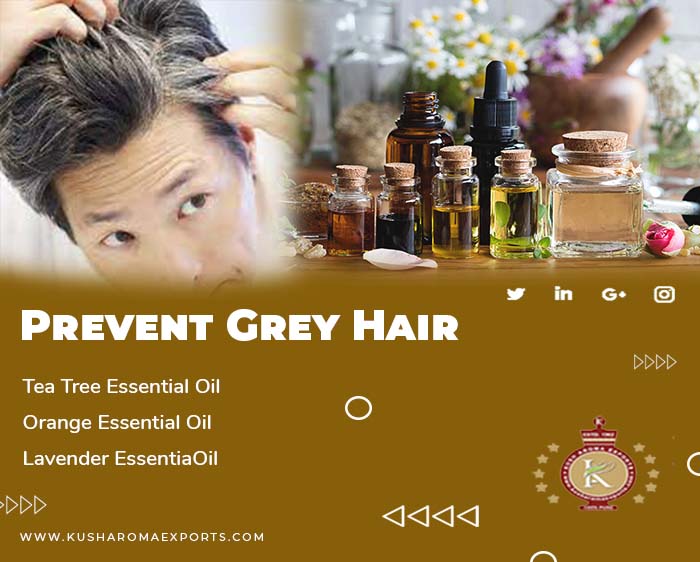
6 Best Essential Oils That Prevents Greying of Hair

Beauty has its manner of expressing and evolving. Through a few years of human evolution, the requirements of beauty have saved on changing unstoppably. Our hair has been a charming component that changed into never out of consideration in terms of splendor. For many human beings, hair is one of the main components of beauty. However, many face and warfare with the trouble of gray hair. Be it because of age or any other health problem, most people want to eliminate gray hair this is feasible with the software of unique essential oils.  

Essential oils – Yes, you have heard it proper! This is what this weblog is all approximately – 6 Best Essential Oils for Grey Hair. Pure essential oils are those treasured drops that would come up with fantastic effects on your skin & hair care regimen. For hair, it really works wonders to clear up dandruff problems, hair loss/ fall, promotes hair increase & thickness, and what? Are we lacking something? Yes – we’re lacking one of the vast troubles people experience these days – Noticing Grey Hair/ or the early onset of grey hair. Noticing Grey hair has become one of the general worries of ladies and men – both. 

Tea Tree Essential Oil 

Tea Tree consists of antibacterial and anti-microbial factors. It also includes sturdy residences of cleaning. Apart from being an essential oil for stopping gray hair, it could save you dandruff and make your hair lengthy and lustrous too.  

How to apply: The appropriate proportion is to mix ten drops of the oil together with your regular shampoo or conditioner for day-by-day use. Or. You may additionally put 3 drops of the tree tea essential oil with essential oil and position it in your hair for about an hour in the past earlier than rinsing it off. 

 Orange Essential Oil 

Orange, being a citrus fruit, is wealthy in vitamin C. Along with preventing greying hair, it promotes better hair increase, makes the hair follicles sturdy, and therefore, stops your hair from breaking off. Orange essential oil is likewise powerful for stopping dandruff. 

How to use:  It could be excellent to mix a couple of drops of the orange critical oil with your everyday shampoo or conditioner as you pick and wash your hair with the aggregate. Otherwise, you can follow the oil alongside your ordinary hair oil and keep it for at least 15 mins earlier than rinsing it. 

 Lavender Essential Oil 

The first thing to be able to make you wonder about this oil is its ambrosial perfume. However, aside from its aroma, Lavender essential oil is surely the excellent essential oil for gray hair as it’s far popularly in use for gray hair treatment options. Additionally, the Lavender essential oil also carries out the characteristic of darkening your hair.  

How to apply: For applying this essential oil, you have to mix numerous drops into olive oil, coconut oil, or every other transporter oil. Then, follow it on your scalp directly and depart it for a minimum of 10 mins before washing your hair or shampooing. You might also make this your routine for numerous weeks. 

Rosemary Essential Oil  

Rosemary is a critical factor in the remedy of hair growth. Rosemary important oil prevents greying of hair and also darkens the hair that has already turned grey. Moreover, it doesn’t even cause a whole lot of inflammation and itching on the scalp after the remedy. 

How to apply rosemary essential oil for grey hair? Mix numerous drops of this essential oil with both coconut or olive oil. Leave it for one to 2 hours (or you can apply this aggregate twice a week earlier than going to mattress) before you move for shampooing. Repeat the ordinary twice every week for the first-class outcomes. It is how to use rosemary vital oil for gray hair. 

 Clary Sage Essential Oil  

Clary Sage essential oil is yet every other essential oil beneficial in preventing the untimely greying of hair. It does so by slowing down the tempo at which the hair follicles age. It complements the hair’s color and shine and promotes the thriving movement of blood on your scalp. Therefore, making your hair wholesome and sleek.  

How to apply: You have to blend three drops of it in your ordinary conditioner or one tablespoonful of it on your transporter oil. Gently rub down your scalp, sleep well the usage of the top masks (if you want), and wash your hair tomorrow. 

Peppermint Essential Oil  

Peppermint essential oil allows sell hair increase, and it is important for the issue of grey hair because it allows in the growth of newer and darker hair and thus, removing grey hairs. It complements and guards the melanin production within the hair follicles, that’s beneficial for buying herbal darkish hair.  

How to use:  For software, place some drops of it in your transporter oil, maintain it for your scalp for a few minutes, and then wash your hair. One can sleep with a chilled head massage before going to bed and wash hair the next day. Along with the shiny look, the hair will appearance healthful and lustrous too.