Browsing Tag

natural essential oils

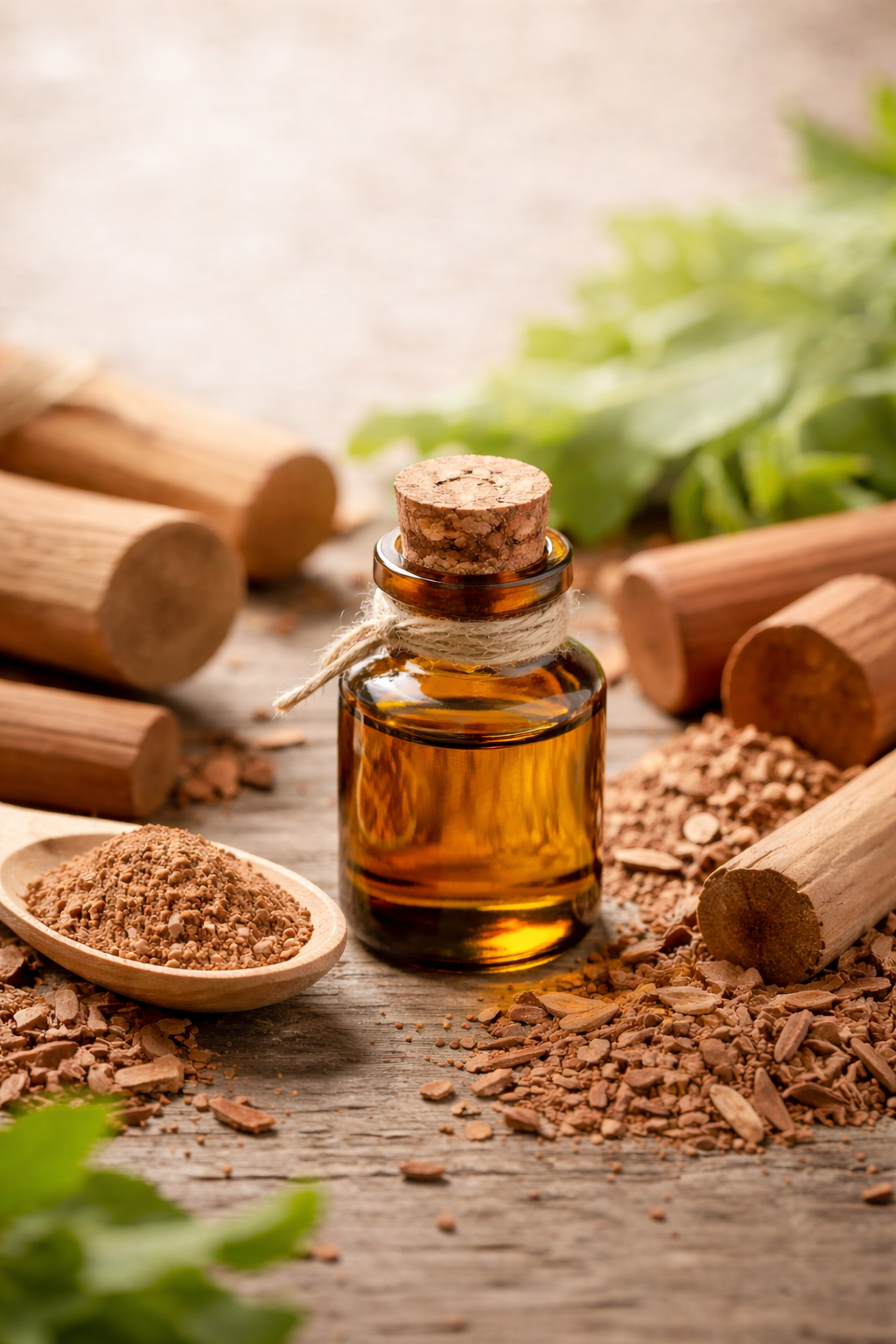
Sandalwood essential oil bottle with sandalwood powder and wood pieces on a rustic table
Uncategorized

Sandalwood Essential Oil Uses: A Complete Guide for Beginners

Sandalwood essential oil uses have been valued for centuries in skincare, aromatherapy, and natural wellness. Known for its rich, woody aroma, this essential oil is widely used for relaxation, skin care, and holistic health.

For beginners, sandalwood essential oil can feel mysterious. But once you understand its uses and benefits, it becomes one of the most versatile oils you can keep in your natural care routine.

In this guide, you will learn the most popular sandalwood essential oil uses, how to use it safely, and simple DIY ideas you can try at home.

What is Sandalwood Essential Oil?

Sandalwood essential oil is extracted from the wood of the sandalwood tree, mainly Santalum album. The oil is usually obtained through steam distillation of the heartwood. This oil has a warm, creamy, and woody fragrance that is often used in perfumes, meditation rituals, skincare products, and aromatherapy.

Sandalwood oil contains natural compounds called santalols, which give it soothing and skin-supporting properties. Because of these compounds, sandalwood oil is often used for calming the mind and improving skin health.

Top Sandalwood Essential Oil Uses

Here are the most common sandalwood essential oil uses beginners should know.

1. Sandalwood Essential Oil Uses for Skin Care

One of the most popular sandalwood essential oil uses is for natural skincare.

The oil is known for its soothing and moisturizing properties. It can help calm irritated skin and support a healthy complexion.

Benefits for skin include:

  • Helps soothe dry skin
  • Supports a smoother skin texture
  • May reduce the appearance of blemishes
  • Helps calm redness and irritation

To use it, mix 2–3 drops of sandalwood oil with a carrier oil like jojoba or almond oil and gently apply to the skin.

Many skincare brands also use sandalwood oil in face serums and creams because of its nourishing properties.

2. Sandalwood Essential Oil Uses for Acne

Another important benefit is its potential role in managing acne.

Sandalwood oil contains compounds that may help cleanse the skin and reduce the buildup of impurities that can lead to breakouts.

Simple acne treatment:

  1. Mix 2 drops sandalwood oil with 1 teaspoon aloe vera gel
  2. Apply to acne spots
  3. Leave for 15 minutes and rinse

This natural remedy may help calm irritated skin while keeping pores clean.

3. Sandalwood Essential Oil Uses for Hair Care

Sandalwood oil is also useful for improving scalp health.

Many people use it to reduce dryness, dandruff, and scalp irritation.

Hair benefits may include:

  • Helps moisturize the scalp
  • Supports stronger hair roots
  • Helps reduce dryness and flakiness
  • Improves hair texture

DIY hair oil:

Mix:

  • 1 tablespoon coconut oil
  • 3 drops sandalwood essential oil

Massage into the scalp and leave for 30 minutes before washing.

4. Sandalwood Essential Oil Uses in Aromatherapy

Aromatherapy is another major reason people love sandalwood oil.

Its grounding scent helps create a calm and peaceful environment.

Many people diffuse sandalwood oil to:

  • Reduce stress
  • Improve focus
  • Support meditation
  • Promote relaxation

To use it in a diffuser:

Add 3–4 drops of sandalwood oil to your diffuser with water and enjoy its calming aroma.

This is one of the easiest sandalwood essential oil uses beginners can try.

5. Sandalwood Essential Oil Uses for Better Sleep

If you struggle with restless nights, sandalwood oil may help create a relaxing bedtime routine.

Its calming aroma can help quiet the mind and prepare the body for sleep.

Ways to use it:

  • Diffuse sandalwood oil before bedtime
  • Add a few drops to a pillow spray
  • Mix with lavender oil for a relaxing blend

The warm scent helps create a peaceful sleep environment.

6. Sandalwood Essential Oil Uses for Natural Perfume

Sandalwood oil is widely used in luxury perfumes because of its deep, long-lasting fragrance.

It works as a base note, which means it helps perfumes last longer.

Simple natural perfume recipe:

Mix:

  • 5 drops sandalwood oil
  • 3 drops vanilla oil
  • 2 drops rose oil
  • 10 ml carrier oil

Apply lightly to wrists or neck.

This creates a soft, warm natural fragrance.

How to Use Sandalwood Essential Oil Safely

Essential oils are powerful, so proper use is important.

Follow these basic safety tips:

Always Dilute

Never apply sandalwood oil directly to the skin. Always mix it with a carrier oil.

Recommended dilution:

  • Face: 1% dilution
  • Body: 2% dilution

Do a Patch Test

Apply a small diluted amount to your wrist and wait 24 hours to check for skin reactions.

Avoid Contact with Eyes

Keep essential oils away from sensitive areas like eyes and inside the nose.

Consult a Professional

If you are pregnant or nursing, it is important to take extra precautions when using essential oils. Additionally, if you have any medical conditions, you should consult a healthcare professional before use. This ensures that essential oils are used safely and appropriately for your situation.

DIY Recipes Using Sandalwood Essential Oil

Here are a few beginner-friendly recipes.

Sandalwood Face Glow Serum

Ingredients:

  • 1 tablespoon jojoba oil
  • 2 drops sandalwood essential oil
  • 1 drop frankincense oil

Apply a few drops to the face at night.

This blend may help keep skin soft and hydrated.

Sandalwood Relaxation Bath

Add:

  • 5 drops sandalwood oil
  • 1 tablespoon carrier oil

Mix into warm bath water.

This helps create a relaxing spa-like experience at home.

Sandalwood Meditation Diffuser Blend

Add to diffuser:

  • 3 drops sandalwood oil
  • 2 drops frankincense oil
  • 1 drop orange oil

This blend is great for yoga, meditation, or quiet relaxation.

Storage: 

Keep sandalwood oil in a dark glass bottle away from sunlight and heat to preserve its freshness. Properly stored, it can last 3–5 years. Always label mixtures with dilution ratios and date.

Conclusion

Understanding sandalwood essential oil uses can help you make the most of this powerful natural ingredient.

From skincare and hair care to aromatherapy and relaxation, sandalwood oil offers many benefits when used correctly.

For beginners, the key is simple: start with small amounts, always dilute the oil, and explore different ways to incorporate it into your daily routine.

With its calming aroma and versatile benefits, sandalwood essential oil is truly one of the most valuable oils in natural wellness.

Frequently Asked Questions (FAQ)

Q: Is sandalwood essential oil good for acne?
A: Sandalwood’s antimicrobial and anti-inflammatory properties can help calm acne-prone skin. Studies show it inhibits acne bacteria (Propionibacterium acnes) and reduces inflammation. To use, dilute 1–2 drops in a carrier (e.g. jojoba) and apply as a spot treatment or in a facial oil. Always do a patch test first.

Q: How should I dilute sandalwood oil for skincare?
A: Use low dilutions: 0.5–1% (1–6 drops per 30ml) for facial use, 1–2% for general body skin. Mix in a carrier oil before applying anywhere on the skin. Never use sandalwood oil undiluted, and avoid the eye area.

Q: Can I use sandalwood oil on my hair?
A: Yes. Mix a few drops (about 3–6 drops per tablespoon of carrier oil) into coconut, olive or jojoba oil, then massage into your scalp. The antimicrobial action can help with dandruff, and research suggests sandalwood compounds may stimulate hair follicle receptors (which could support growth). Leave on 30+ minutes before shampooing.

Q: Is sandalwood oil safe during pregnancy?
A: Sandalwood oil is generally considered gentle. However, any essential oil use during pregnancy should be approached with caution. Therefore, it is important to always dilute the oil properly and consult a healthcare provider before use. Additionally, many aromatherapists recommend limiting essential oil use during the first trimester. If used later in pregnancy, perform a patch test first and use only a very mild dilution to ensure safety.

Q: Can I put sandalwood oil in a bath or diffuser?
A: Yes. For a bath, mix 3–5 drops of sandalwood oil with a tablespoon of carrier oil (or a full-fat lotion) and add to the tub, swishing well. For a diffuser, add about 3–4 drops of sandalwood to the water reservoir. Diffusing sandalwood can promote relaxation and improve mood. Just ensure proper room ventilation, and turn off the device if feeling too sleepy or lightheaded.
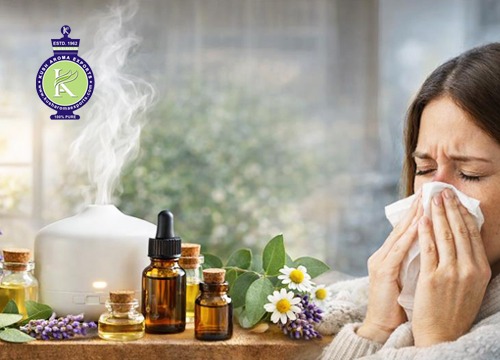
Essential Oils for Dry Nose Relief
Uncategorized

Essential Oils for Dry Nose Relief: 7 Natural Remedies That Actually Work

Introduction

Dry nose is a common issue affecting millions of people, especially during winter, in air-conditioned environments, or in regions with high pollution levels. Nasal dryness can lead to irritation, itching, mild bleeding, sinus discomfort, and breathing difficulties.

Many people search for a natural remedy for dry nose instead of relying on chemical nasal sprays. This is where essential oils for dry nose relief offer a gentle and effective solution.

When used properly and safely diluted, certain essential oils can help:

  • Support nasal moisture balance
  • Soothe irritated nasal passages
  • Promote sinus comfort
  • Improve breathing comfort

In this detailed guide, we will explore 7 effective essential oils for nasal dryness, how to use them safely, and expert-backed application methods.

What Causes Dry Nose?

Understanding the root cause helps in choosing the right dry nose remedy.

Common Causes:

  1. Cold weather and low humidity
  2. Air conditioning exposure (8+ hours daily)
  3. Indoor heating systems
  4. Pollution and dust exposure
  5. Dehydration
  6. Overuse of decongestant sprays

Studies show that low humidity environments below 30% indoor humidity levels significantly increase nasal dryness and irritation.

7 Best Essential Oils for Dry Nose Relief

Here are the most effective essential oils used for sinus comfort and nasal hydration support.

1. Eucalyptus Essential Oil

Eucalyptus oil is widely known for its respiratory support properties.

Benefits:

  • Helps open nasal passages
  • Supports sinus relief
  • Promotes clearer breathing

Best Use: 

Steam inhalation (2–3 drops in hot water).

2. Lavender Essential Oil

Lavender oil provides calming and soothing properties.

Benefits:

  • Reduces nasal irritation
  • Supports skin repair inside nasal lining
  • Helps reduce inflammation

Best Use: 

Diffuser use (3–4 drops per 100 ml water).

3. Tea Tree Essential Oil

Tea tree oil is known for its purifying properties.

Benefits:

  • Supports nasal hygiene
  • Helps maintain healthy nasal tissues
  • Reduces microbial buildup

Important: 

Always dilute at a 1% ratio (1 drop per 5 ml carrier oil).

4. Peppermint Essential Oil

Peppermint oil contains menthol, which promotes cooling and sinus comfort.

Benefits:

  • Instant cooling sensation
  • Supports sinus pressure relief
  • Improves airflow

Usage Tip: 

Add 1–2 drops to a diffuser; avoid direct internal nasal application.

5. Frankincense Essential Oil

Frankincense is traditionally used for respiratory wellness.

Benefits:

  • Supports tissue regeneration
  • Helps soothe dry nasal membranes
  • Promotes deeper breathing

6. Chamomile Essential Oil

Chamomile oil is known for its gentle soothing effect.

Benefits:

  • Reduces irritation
  • Supports inflammation control
  • Suitable for sensitive individuals

7. Rosemary Essential Oil

Rosemary oil stimulates circulation and sinus comfort.

Benefits:

  • Supports respiratory function
  • Helps relieve sinus discomfort
  • Promotes nasal clarity

4 Safe Ways to Use Essential Oils for Nasal Dryness

Safety is crucial when using essential oils near nasal passages.

1. Steam Inhalation (Most Effective Method)

  • Boil water
  • Add 2–3 drops essential oil
  • Inhale steam for 5–7 minutes
  • Repeat once daily

This method helps oils reach nasal passages gently.

2. Diffuser Method

  • Add 3–5 drops to diffuser
  • Run for 30–45 minutes
  • Ideal for dry AC environments

Maintains ambient humidity support.

3. Diluted Topical Application

  • 1 drop essential oil
  • 5 ml carrier oil (such as sweet almond or jojoba oil)

Apply gently around the nostrils NOT inside deeply.

4. DIY Nasal Balm (Advanced Use)

  • 10 ml carrier oil
  • 2 drops lavender
  • 1 drop frankincense

Apply lightly under the nostrils before sleep.

Expert Safety Guidelines


As manufacturers and exporters of essential oils, maintaining purity, correct dilution, and safety standards is critical.

Important Safety Points:

  • Never apply undiluted essential oil inside the nose
  • Keep dilution under 1–2% for facial use
  • Avoid use for children under 6 years without consultation
  • Perform patch test before topical use
  • Store oils in cool, dark place below 25°C

High-quality, pure essential oils are essential for safe respiratory applications.

Why Purity Matters in Essential Oils for Dry Nose Relief

Low-quality or adulterated oils can cause irritation instead of relief. For respiratory use, oils must be:

  • 100% pure
  • Steam distilled or cold pressed
  • Free from synthetic additives
  • Tested for quality and consistency

Purity ensures better aroma profile, effectiveness, and safety.

When to Seek Medical Advice

If symptoms include:

  • Frequent nosebleeds
  • Severe sinus pain
  • Chronic dryness lasting over 3 weeks
  • Breathing difficulty

Consult a medical professional immediately.

Essential oils support comfort but are not a replacement for medical treatment.

Final Thoughts

Dry nose can be uncomfortable, especially during winter or prolonged AC exposure. Choosing the right essential oils for dry nose relief offers a natural, supportive solution.

With proper dilution, safe usage methods, and high-quality oils, nasal dryness can be managed effectively and naturally.

Using essential oils consistently in a diffuser or steam inhalation method can provide noticeable improvement within 5–7 days of regular use.

Frequently Asked Questions (FAQs)

1. What is the best essential oil for dry nose relief?

Eucalyptus and lavender essential oils are among the most effective for supporting sinus comfort and reducing nasal dryness when properly diluted.

2. How many drops of essential oil should I use for steam inhalation?

Use 2–3 drops in hot water and inhale steam for 5–7 minutes once daily.

3. Can I apply essential oil directly inside my nose?

No. Essential oils must always be diluted and applied externally around the nostrils only.

4. How long does it take for essential oils to relieve dry nasal passages?

Many users report noticeable comfort within 3–7 days of consistent use.

5. Are essential oils safe for sinus dryness?

Yes, when properly diluted (1–2%) and used according to safety guidelines.

spring essential oil blends
Uncategorized

Spring Essential Oil Blends: Refresh Your Skin & Home Naturally

Spring marks a season of renewal and fresh scents. As flowers bloom and days grow longer, it’s the perfect time to swap heavy winter lotions and fragrances for lighter, uplifting blends. Aromatherapists encourage bringing “floral, citrus, and fresh scents” into your home in spring. Essential oils shine now: citrus notes like lemon or grapefruit revive the senses, while gentle florals like lavender and geranium soothe and heal. This seasonal shift is ideal for “spring essential oil blends”  mixes of oils chosen to invigorate the skin and space. Using essential oils for spring skin care and aromatherapy can brighten mood, hydrate complexion, and refresh living spaces. In this guide, we’ll explore why spring is perfect for a skincare refresh, highlight top springtime oils, and share DIY blends for skin, diffusers, and soap.

Why Spring Is the Perfect Time to Refresh Your Skin

Winter’s cold, dry air often leaves skin dull, tight, or even flaky. When spring arrives, increased humidity and warmer weather naturally rehydrate our skin. It’s an ideal time to shed winter layers and rebuild a lighter, glowing complexion. Unlike synthetic skincare, many essential oils carry naturally moisturizing, antioxidant properties. As one source notes, essential oils can “brighten, smooth, and moisturize” skin using their natural constituents. For example, oils with humectant or soothing properties help fight winter dehydration. Incorporating hydrating carrier oils (like jojoba or coconut) with targeted essential oils can deeply nourish parched skin.

Essential oils also help combat lingering inflammation or winter “blues.” Many springtime oils have anti-inflammatory, antibacterial or detoxifying effects. For instance, geranium (rose geranium) has natural astringent and anti-aging properties that improve texture, remove dead cells, and even out tone. Peppermint oil calms redness and refreshes both skin and mind, promoting clarity and energy. Citrus oils like lemon or grapefruit gently exfoliate and clarify, helping to shed winter dullness. In short, spring is all about revitalizing and essential oils provide the perfect natural boost to renew and hydrate your skin after winter’s stress.

Top Essential Oils for Glowing Spring Skin

When it comes to spring essential oils for skin, some standouts combine gentle healing with bright, uplifting scents. Here are a few top picks for springtime skincare:

Lemon Essential Oil (Citrus limonum)


A classic spring oil, lemon is antibacterial, anti-inflammatory and brightening. It can treat acne, reduce blemishes, and promote a clearer complexion. In skincare, diluted lemon oil (combined with a carrier) can lighten dark spots and lift away leftover winter dullness. (Explore Kush Aroma’s organic Lemon Oil.)

Lavender Essential Oil (Lavandula angustifolia) 

Gentleness itself, lavender soothes irritation and accelerates healing. It’s celebrated as “the best essential oil for skin” because it treats acne, lightens the skin, and reduces wrinkles. Lavender’s antibacterial and antioxidant properties unclog pores and diminish inflammation. Apply a few drops to blemished areas or use in a calming facial spray. (See Kush Aroma’s Bulgarian Lavender Oil for ultra-pure lavender.)

Rose Geranium Essential Oil (Pelargonium roseum) 

 Rose geranium has a wonderfully rosy-floral scent and is prized in spring blends. It brightens skin like a natural astringent and removes dead skin cells. Its strong antioxidant and anti-aging effects improve texture and shrink pores. Use rose geranium diluted in lotion or cream to even out tone and soothe inflamed or sensitive skin. (Kush Aroma’s Rose Geranium South African Oil is a great choice.)

Peppermint Essential Oil (Mentha x piperita) 

Peppermint’s cooling menthol makes it refreshing on spring mornings. It’s antibacterial and antiseptic, and often called the “true skin saver”. Peppermint can calm acne, reduce acne-causing bacteria, and soothe irritated or oily skin. Its invigorating scent also boosts alertness and energy. Add a drop or two to a toner or facial scrub to gently wake up and clear skin. (Try Kush Aroma’s Japanese Peppermint Oil.)

Grapefruit Essential Oil (Citrus racemosa) 

Grapefruit oil brings a bright, tangy aroma and is a spring favorite. It has a “fresh and tangy aroma which expresses a mouthwatering zest”. This oil is known to treat numerous skin ailments, helping to tone and revitalize the complexion. Its refreshing scent uplifts the mood while purifying skin with natural antiseptic qualities. (Explore Kush Aroma’s Grapefruit Essential Oil White.)

Other spring beauties include Geranium, Bergamot, Ylang Ylang, and Roman Chamomile, all of which calm redness and balance oil production. Floral oils like lavender and geranium add a gentle, soothing note, while herbs like basil or rosemary refresh tired skin. Citrus oils (orange, lime) are excellent for a spring detox, as they are uplifting and help cleanse pores. In essence, spring blends typically mix floral and citrus aromas to “invigorate your senses and enhance your mood”. By choosing the right essential oils, you can create a natural springtime skincare routine that moisturizes, brightens and refreshes your skin.

Essential Oil Blends That Actually Work

Combining essential oils into blends unlocks new benefits. Below are DIY blend ideas for skincare, diffusers, and even soap-making, all perfect for spring.

Spring Skincare Blends

Create gentle serums, masks, or creams by mixing essential oils with carrier oils (like jojoba, almond, or coconut). For example:

Brightening Serum: 

In a 1 oz bottle of jojoba oil, add 3–4 drops lemon, 3 drops lavender, and 2 drops geranium. Gently massage a drop onto cleansed skin each morning to boost radiance and clear summer-breakouts.

Hydrating Facial Oil: 

Combine 1 tbsp rosehip oil (rich in vitamins) with 2 drops grapefruit, 1 drop ylang-ylang, and 1 drop chamomile oil. This blend deeply nourishes sensitive or dry skin while delivering a fresh, floral scent.

Energizing Body Scrub: 

In a jar of sugar or salt scrub base, stir in 5 drops sweet orange, 5 drops peppermint, and 3 drops rosemary essential oils. Use weekly to buff away dead skin and enjoy a refreshing scent that feels like a spring breeze on your skin.

Soothing Face Mask:

Mix 2 drops of lavender, 1 drop tea tree, and 1 drop frankincense into plain yogurt or honey. Apply for 10 minutes to calm redness and renew dull winter skin.

These blends use the principle that citrus oils energize and brighten the mood, while floral oils calm and purify. The result is a natural “fresh scent essential oil recipe” for skincare that feels clean and uplifting, with no harsh chemicals. Always dilute essential oils properly and patch-test blends first.

Spring Diffuser Blends

Diffusing oils is a quick way to fill your home with spring’s essence. Here are a few spring diffuser recipes:

Citrus Breeze: 

4 drops lemon + 3 drops sweet orange + 2 drops peppermint. Fresh and uplifting, this blend clears the air and awakens the senses perfect for a spring morning.

Floral Springtime: 

3 drops lavender + 3 drops geranium + 2 drops bergamot. This soothing floral blend creates a spa-like atmosphere that relieves stress and purifies air.

Garden Fresh: 

3 drops rosemary + 3 drops peppermint + 2 drops grapefruit. An herbal-citrus mix that energizes and eases mental fog, great for allergy season (rosemary helps clear sinuses).

Citrus Mint Refresh:

5 drops grapefruit + 3 drops lime + 2 drops eucalyptus. Invigorating and uplifting, this combo revitalizes your home like a spring rain ideal for combating winter blues.

For more inspiration, AromaWeb even offers ready “Spring Blend” recipes (e.g. ylang-ylang + lavender + mandarin) that exemplify the best spring essential oil blends. You don’t need branded kits (though dōTERRA and Young Living sell their own “Spring” collections); these DIY diffuser blends are effective, budget-friendly, and customizable. Simply add your chosen mix (4–8 drops total) to your diffuser with water, and enjoy a springtime refresh. Use these refreshing diffuser blends especially in living areas or home offices to maintain a cheerful, allergy-aware atmosphere.

Spring Soap Blends

Making soap with essential oils is a fun way to infuse daily routines with spring fragrance. When cold-process or melt-and-pour soap bases, add a few drops of spring oils before hardening:

Citrus Sunrise Soap: 

Add sweet orange (or tangerine), lemon, and a touch of lemongrass to a basic goat milk soap base. The bright citrus scent feels like morning sunshine.

Lavender & Rose Soap: 

Mix lavender, rose geranium, and a bit of cedarwood for a floral, woodsy bar. This is gentle on skin and great for calming shower routines.

Energizing Mint Soap:

Combine peppermint, eucalyptus, and spruce oil for a morning awakening soap leaves skin cool and clear.

Herbal Spring Soap: 

Blend rosemary, thyme, and orange oils into an unscented soap base for an aromatic garden soap. It works well for body bars after gardening or outdoor chores.

For inspiration, DIY skincare blogs suggest recipes like “Citrus Sunshine” soap bars (with orange, lemon, lemongrass) to fight winter grey. Essential oils like grapefruit, lemongrass, and rosemary are especially good in soap, providing a clean, fresh spring aroma. Just be sure to follow proper soapmaking safety and add the oil at recommended rates (typically 1–2% of total batch).

These spring soap blends make perfect gifts (Mother’s Day, anyone?) and keep your skin feeling smooth as the seasons change.

Conclusion

Springtime is all about renewal for nature and for us. By incorporating spring essential oils and blends into your routine, you harness the season’s uplifting energy to refresh your skin and your home. Citrus oils like lemon and grapefruit brighten both mood and complexion, while floral oils like lavender and geranium soothe and nourish. Simple diffuser blends can fill your home with the “fresh scents of spring”, and DIY skincare blends will reveal a hydrated, glowing complexion after winter.

Whether you try a new spring diffuser recipe, a natural springtime serum, or even a homemade spring soap, the key is to balance citrus, herbal and floral notes. These combinations create refreshing essential oil blends that enliven senses and skin alike. By choosing pure oils for example, Kush Aroma’s Lavender, Lemon, Peppermint, or Rose Geranium you ensure maximum effectiveness. Embrace this spring “refresh” and let the power of nature’s oils renew your routine naturally.

Frequently Asked Questions (FAQs)

  1. Which essential oils are best for spring?

Some of the best essential oils for spring include:

These oils help refresh the mood, purify the air, and support glowing skin after winter dryness.

  1. What are the best spring essential oil blends for soap making?

For spring essential oil blends for soap, try:

  • Sweet orange + lemon + lemongrass (fresh citrus scent)
  • Lavender + geranium (floral and calming)
  • Peppermint + rosemary (energizing herbal blend)
  1. Are spring essential oil blends safe for daily use?

Yes, when diluted properly, fresh spring essential oil blends can be used daily in diffusers or skincare. Always perform a patch test before topical use and avoid direct sun exposure after applying citrus oils.

  1. What makes spring time essential oil blends different from winter blends?

Spring time essential oil blends are lighter, fresher, and more uplifting. While winter blends focus on warming oils like cinnamon and clove, spring blends emphasize citrus, floral, and green herbal oils to promote renewal and freshness.

  1. Can I use spring essential oil blends in DIY candles?

Yes, many best spring essential oil blends work beautifully in candles. Citrus-floral blends such as lemon + lavender or grapefruit + bergamot create a clean and refreshing ambiance.

  1. How long should I diffuse spring essential oils?

It is recommended to diffuse spring essential oil blends for 30–60 minutes at a time. This prevents scent fatigue and ensures safe aromatic exposure

Rosemary CO₂ Extract for Skincare
Uncategorized

Rosemary CO₂ Extract for Anti-Aging & Skin Repair

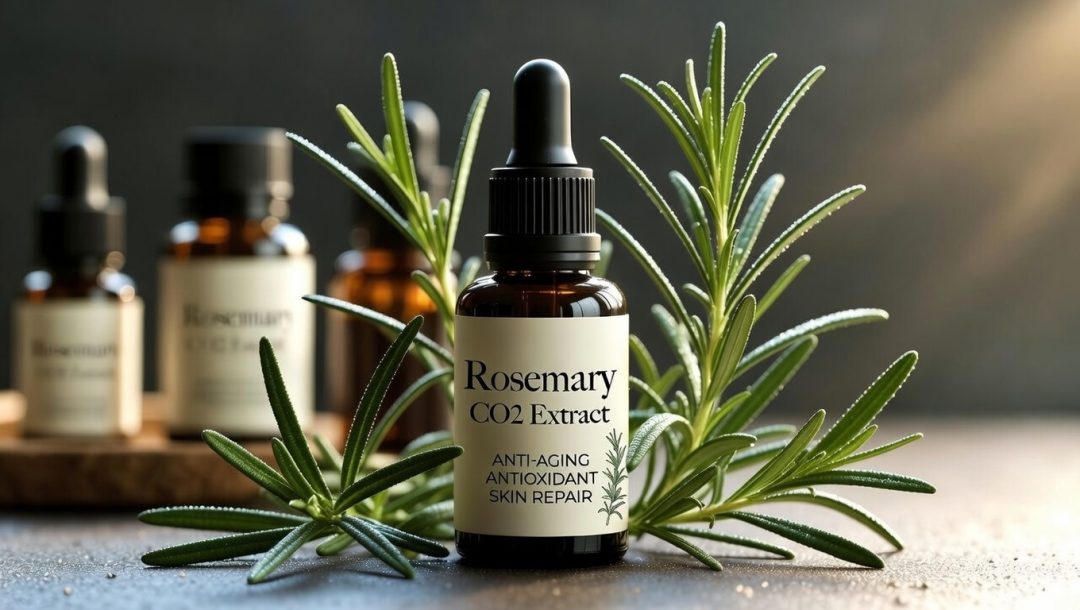
In the evolving world of natural skincare, plant-based extracts are gaining strong attention for their proven effectiveness and safety. Among them, Rosemary CO₂ extract stands out as a powerful botanical ingredient known for its anti-aging, antioxidant, and skin-repair properties. Derived using advanced carbon dioxide extraction technology, this extract retains a high concentration of active compounds that make it exceptionally beneficial for cosmetic and dermatological applications.

This blog explores what Rosemary CO₂ extract is, how it works on the skin, its major skin benefits, and why it is becoming a preferred ingredient sourced from CO₂ extracts oils manufacturers in India.

What Is Rosemary CO₂ Extract?

Rosemary CO₂ extract is obtained from the leaves of Rosmarinus officinalis using supercritical carbon dioxide extraction. Unlike steam distillation, CO₂ extraction works at lower temperatures and without harsh solvents, preserving the plant’s sensitive bioactive compounds.

The result is a highly concentrated extract rich in antioxidants such as carnosic acid, carnosol, and rosmarinic acid. These compounds play a key role in protecting skin cells from oxidative stress, environmental damage, and premature aging.

Because of its purity and potency, Rosemary CO₂ extract is widely used in premium skincare formulations, anti-aging creams, serums, balms, and natural preservative systems.

Why CO₂ Extraction Matters in Skincare

CO₂ extraction is considered one of the cleanest and most effective extraction methods available today. It ensures:

  • No chemical solvent residue
  • Higher stability of active compounds
  • Better color, aroma, and efficacy
  • Enhanced shelf life

For skincare products, this means better performance and safer formulations. This is why many cosmetic brands prefer ingredients supplied by experienced CO₂ extracts oils manufacturers in India, where advanced extraction technology meets high-quality botanical sourcing.

Key Active Compounds in Rosemary CO₂ Extract

The effectiveness of Rosemary CO₂ extract comes from its rich phytochemical profile:

  • Carnosic Acid – A potent antioxidant that protects skin cells from free radical damage
  • Carnosol – Supports skin repair and improves elasticity
  • Rosmarinic Acid – Known for anti-inflammatory and soothing properties
  • Natural Diterpenes – Help strengthen the skin barrier

These compounds work synergistically to improve overall skin health and appearance.

Rosemary CO₂ Extract Skin Benefits

When it comes to natural skincare, the rosemary co2 extract skin benefits are extensive and well-researched.

Anti-Aging and Wrinkle Reduction

Rosemary CO₂ extract helps neutralize free radicals that cause premature aging. Regular use in skincare formulations supports smoother skin, reduces the appearance of fine lines, and improves firmness.

Skin Repair and Regeneration

The extract promotes cell renewal and helps repair damaged skin caused by pollution, UV exposure, and environmental stress. It is particularly beneficial for mature and stressed skin types.

Powerful Antioxidant Protection

Rich in natural antioxidants, Rosemary CO₂ extract protects the skin from oxidative damage, which is one of the primary causes of dullness and uneven texture.

Anti-Inflammatory and Soothing Effects

For sensitive or irritated skin, Rosemary CO₂ extract helps calm redness, reduce inflammation, and support healing, making it suitable for formulations targeting acne-prone or reactive skin.

Improved Skin Tone and Texture

Consistent use helps enhance skin clarity and texture by supporting healthy circulation and cellular activity within the skin layers.

Rosemary CO₂ Extract in Anti-Aging Formulations

Rosemary CO₂ extract is commonly used in:

  • Anti-aging creams and serums
  • Eye care formulations
  • Night repair oils
  • Facial balms and masks
  • Natural preservative blends

Its oil-soluble nature allows it to blend well with carrier oils, butters, and lipid-based skincare systems, enhancing both performance and stability.

Natural Preservative Properties in Skincare

One unique advantage of Rosemary CO₂ extract is its ability to act as a natural antioxidant preservative. It helps slow down oxidation in cosmetic formulations, especially those containing oils and butters.

This makes it highly valuable for clean beauty brands looking to reduce synthetic preservatives while maintaining product freshness.

Growing Demand for CO₂ Extracts Oils Manufacturers in India

India has emerged as a global hub for high-quality botanical extracts due to its rich plant biodiversity, skilled workforce, and advanced extraction facilities. Many CO₂ extracts oils manufacturers in India now supply Rosemary CO₂ extract that meets international cosmetic and pharmaceutical standards.

Manufacturers focus on:

  • Sustainable sourcing of rosemary leaves
  • Advanced CO₂ extraction technology
  • Consistent quality and active compound profiles
  • Compliance with global regulatory norms

This has made Indian suppliers a preferred choice for brands seeking reliable, natural skincare ingredients.

How to Use Rosemary CO₂ Extract in Skincare Products

Rosemary CO₂ extract is typically used in low concentrations due to its potency. It is added during the oil phase of formulations and works well in combination with other botanical oils and extracts.

It pairs especially well with:

Proper formulation ensures maximum skin benefits while maintaining product stability.

Who Should Use Rosemary CO₂ Extract?

Rosemary CO₂ extract is suitable for:

  • Mature and aging skin
  • Dull or tired-looking skin
  • Environmentally stressed skin
  • Oily and combination skin types
  • Natural and clean beauty formulations

However, as with any active botanical ingredient, patch testing is recommended in final consumer products.

Conclusion

Rosemary CO₂ extract is a highly effective, natural ingredient that offers powerful anti-aging and skin-repair benefits. Its rich antioxidant profile, soothing properties, and ability to support skin regeneration make it a valuable addition to modern skincare formulations.

With increasing demand for clean and sustainable beauty solutions, sourcing from trusted CO₂ extracts oils manufacturers in India ensures high quality, purity, and performance. Whether used for anti-aging, skin repair, or natural preservation, Rosemary CO₂ extract continues to prove its importance in advanced skincare products.

By incorporating this potent botanical extract, skincare brands can deliver visible results while staying aligned with the growing preference for natural and science-backed ingredients.

Uncategorized

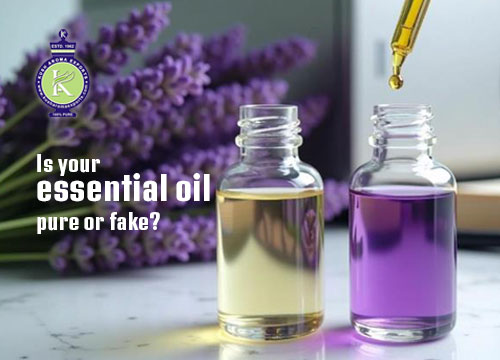
Essential Oils Scam Alert: How to Spot Pure vs Fake Oils (Expert Guide) 

Are essential oils a scam? When 75% of commercial lavender samples tested show adulteration with cheaper alternatives, this question becomes increasingly valid. 

The truth is, while essential oils themselves aren’t fake, the industry lacks regulation. Surprisingly, no U.S. governmental agency or generally accepted organization grades or certifies essential oils as “therapeutic grade”. Despite this fact, many companies freely use terms like “therapeutic grade” or “medicinal grade” without any consistent meaning. Additionally, the price differences can be staggering—some products seem abnormally cheap, while others sell for over $200 per bottle, with variations of 300-500% often indicating quality and purity differences. 

We created this comprehensive guide to help you navigate this confusing landscape. Whether you’re questioning if essential oils are legit or worried about purchasing fake essential oils from unreliable brands, this article will equip you with expert knowledge to identify pure oils and avoid the counterfeit ones. Let’s separate fact from fiction and discover how to find authentic products in an industry filled with misleading claims. 

Are Essential Oils Fake? Debunking the Myths 

The essential oils industry thrives on persuasive marketing terms, but understanding the reality behind these claims reveals much about product authenticity. 

The truth behind ‘therapeutic grade’ claims 

“Therapeutic grade” is nothing more than clever marketing. This term was  by a company that trademarked their version so no one else could legally use it, then claimed oils without this designation were inferior. In reality, no governmental agency or generally accepted organization certifies essential oils as “therapeutic grade,” “medicinal grade,” or “aromatherapy grade” in the United States. Furthermore, between leading aromatherapy organizations, national health boards like the FDA, or international governing bodies, no recognized definition for these terms exists. created in 2007 

Are essential oils a scam or just misused? 

Essential oils themselves aren’t necessarily fake—the problem lies in how they’re marketed and used. The essential oil industry operates under limited regulatory oversight, creating opportunities for fraudulent practices. Consequently, many products advertised as “100% pure therapeutic grade organic essential oil” may actually be .synthetic fragrance oils 

The core issue stems from companies prioritizing profits over consumer education. Indeed, most essential oil businesses have one primary goal: selling as many bottles as possible, maximizing profit margins. This leads to promoting unsafe practices like undiluted application or internal consumption to increase usage rates and sales volume. 

Why the term ‘grade’ is misleading 

The only scientific grade available for essential oils is pharmaceutical grade, derived primarily from the British Pharmacopeia—yet very few providers can honestly claim to meet this standard. Terms like “food grade” merely indicate an oil is on the FDA’s list of acceptable food products, not that it meets specific quality standards. 

What makes this particularly problematic is that each company invents its own definition of what constitutes their “grade,” as there’s no industry standard or third-party testing to certify essential oils. Essentially, without an independent governing body to define terminology and regulate claims, unethical marketing flourishes. 

Pure, undiluted essential oils naturally possess therapeutic properties—that’s their inherent value. Nevertheless, the lack of standardized definitions allows companies to create confusing marketing that misleads consumers about what they’re actually purchasing. 

What Makes an Essential Oil Pure 

Image Source: Contract Laboratory 

Pure essential oils are complex natural compositions containing  in varying amounts. Unlike marketing terms, actual purity involves specific extraction methods, rigorous testing, and transparent sourcing.20-60 different components 

How essential oils are extracted 

The extraction process significantly impacts an essential oil’s quality and composition. Steam distillation remains the most common method, where steam passes through plant material, rupturing the structures holding essential oils. For citrus oils, cold pressing (or expression) is preferred, as heat would damage their delicate compounds. Other methods include solvent extraction using ethanol or hexane, CO2 extraction, and traditional techniques like enfleurage. Each method yields different results—CO2 extraction operates at cooler temperatures (95-100°F) compared to steam distillation (140-212°F), preserving more delicate plant compounds. 

The role of GC/MS testing in purity 

 (GC/MS) testing serves as the gold standard for verifying essential oil authenticity. This two-part analysis first separates an oil’s components through gas chromatography, then identifies each constituent through mass spectrometry. The resulting “fingerprint” reveals: Gas Chromatography-Mass Spectrometry 

  • Which compounds are present and in what percentages 
  • Whether synthetic additives have been introduced 
  • If cheaper oils have been added as adulterants 

Notably, pure essential oils contain over 200 components, primarily phenylpropanoid derivatives or terpenes. Through GC/MS testing, reputable companies can verify their oils meet expected chemical profiles and remain free from contaminants. 

Wildcrafted vs. organically grown vs. synthetic 

Wildcrafted essential oils come from plants gathered from their natural habitat—wild, native, and inherently organic. Conversely, certified organic oils derive from plants grown without synthetic pesticides or fertilizers, following strict agricultural guidelines. Between these options lie non-certified organic oils, which follow organic methods without formal certification. 

Unfortunately, many products labbeled as “pure” actually contain synthetic compounds or cheaper oils. Common adulterations include adding sweet orange to bitter orange, synthetic linalyl acetate to lavender, or diluting with carrier oils. Such practices not only constitute financial fraud but sometimes pose health risks. 

8 Ways to Spot Fake Essential Oils 

Essential Oils Scam

Image Source: PAI Wellness 

Identifying authentic essential oils requires attention to specific details that reveal quality and purity. Here are eight reliable indicators to help you distinguish genuine products from counterfeits. 

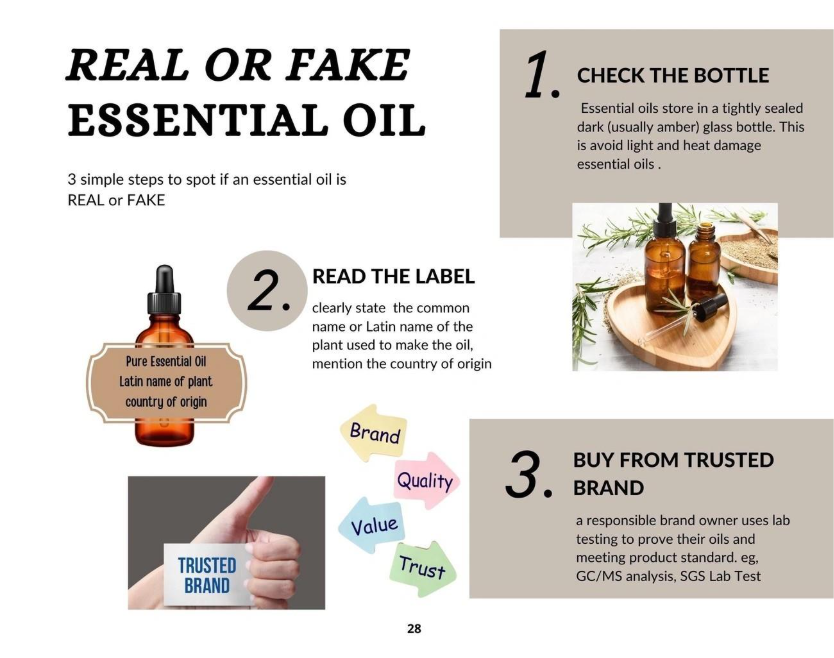
1. No GC/MS report available 

Gas Chromatography-Mass Spectrometry (GC/MS) testing is the gold standard for verifying essential oil purity. Reputable companies conduct these tests for each batch and make reports available to consumers. Without this critical analysis, you cannot confirm what’s actually in the bottle—whether it contains adulterants, synthetics, or the expected plant compounds. 

2. Missing Latin name on label 

Always purchase oils by their Latin botanical name. This precise identification prevents confusion between similar plants that might share common names but possess entirely different properties. Missing botanical names on labels typically indicate poor quality control and may conceal substitutions or improper sourcing. 

3.Suspiciously low price 

Extremely low pricing often reveals quality compromises or adulteration. Particularly with expensive oils like sandalwood, rose, and neroli, unusually cheap prices should raise immediate concerns. Although higher prices don’t guarantee quality, oils priced significantly below market averages almost certainly contain dilutents or synthetic additives. 

4. No sourcing or origin info 

Transparency about country of origin is fundamental. The climate, soil conditions, and growing region significantly impact an oil’s chemical composition and therapeutic properties. Limited supplier information reduces accountability and often indicates companies with something to hide. 

5. Overuse of marketing buzzwords 

Terms like “therapeutic grade,” “100% pure,” and “certified” are frequently misused. Since no regulatory body oversees these claims, companies freely create impressive-sounding designations without standardized meanings. Focus on specific, verifiable information rather than marketing terminology. 

6. Inconsistent smell or color 

Genuine essential oils have characteristic aromas and appearances. Unusual colors suggest adulteration or oxidation, while inconsistent quality between batches indicates poor manufacturing processes. If an oil smells like alcohol or artificial fragrance, it likely contains synthetic compounds. 

7. No batch or expiration date 

Essential oils change over time, making batch numbers and expiration dates crucial for quality tracking. These identifiers allow for traceability and verification of testing results. Their absence often indicates mass production without proper quality control procedures. 

8. No third-party certification 

Independent certification provides objective verification of quality claims. Reputable companies undergo third-party testing by independent laboratories. Companies operating on a “trust us” basis without providing documentation should be approached with caution. 

How to Shop Smart and Avoid Fake Brands 

Shopping smartly for essential oils requires vigilance as deception exists at all price points. Most importantly, understanding what separates legitimate companies from questionable ones empowers better purchasing decisions. 

Fake essential oils brands: what to watch for 

Beware of brands exhibiting multiple red flags simultaneously. Watch for  across different oils—legitimate products vary dramatically in production costs. Likewise, year-round availability of seasonally produced oils often indicates synthetic manufacturing. Companies reluctant to provide testing documentation typically have poor quality control or practice intentional fraud.price consistency 

How to evaluate a company’s transparency 

Trustworthy suppliers demonstrate accountability through comprehensive documentation: 

  • Detailed GC/MS reports for every batch 
  • Clear source information (botanical origin, growing conditions) 
  • Verifiable facility certifications 
  • Complete traceability systems 

Companies prioritizing transparency readily share their sourcing practices, extraction methods, and third-party testing results. 

Why small-batch distillers are often better 

Small-scale distilleries typically maintain stronger quality control throughout the production process. Additionally, these producers often develop direct relationships with their plants—sometimes growing them personally. Subsequently, this intimate connection results in traceable, regionally-based supply chains with greater accountability. 

Tips for buying online vs in-store 

Online shopping offers distinct advantages, including access to detailed information unavailable in physical stores. Furthermore, legitimate online retailers provide comprehensive GC/MS reports, botanical names, extraction methods, and usage guidelines. Simultaneously, customer reviews provide valuable insights into product quality before purchasing. Conversely, dust-covered bottles in stores indicate oils that have oxidized and lost therapeutic properties. 

Conclusion 

The essential oil industry remains largely unregulated, therefore consumer education becomes our best defense against deceptive practices. Throughout this guide, we’ve uncovered how marketing terms like “therapeutic grade” lack standardized meaning and serve primarily as sales tactics rather than quality indicators. 

Pure essential oils naturally possess therapeutic properties when properly sourced and extracted. However, the market contains countless adulterated products, with studies showing alarming rates of contamination across popular oils. Companies prioritizing profit over quality often cut corners through dilution, synthetic additives, or mislabeling. 

Your vigilance when purchasing essential oils matters significantly. Always check for botanical names, appropriate pricing, transparent sourcing information, and most importantly, available GC/MS testing reports. These concrete indicators tell a more reliable story than flashy marketing claims or unrealistic promises. 

Small-batch distillers often provide superior products because their intimate connection with plants and production processes typically results in greater accountability. Additionally, third-party certification offers another layer of protection against fraudulent claims. 

The next time you shop for essential oils, remember this guide. Armed with knowledge about extraction methods, proper testing, and warning signs of adulteration, you can confidently identify quality products. Genuine essential oils offer remarkable benefits when authentically produced—our goal remains finding these legitimate products amid the sea of imitations. The difference between pure and fake oils goes beyond mere quality; it directly impacts the safety and effectiveness of your aromatherapy experience. 

FAQs 

Q1. How can I tell if an essential oil is pure? Look for the Latin botanical name on the label, check for a reasonable price (not suspiciously low), and ensure the company provides a GC/MS report. Pure oils should have only one ingredient listed and come from reputable sources that offer transparency about their sourcing and extraction methods. 

Q2. What are some red flags that indicate a fake essential oil? Watch out for missing Latin names on labels, inconsistent smells or colors between batches, overuse of marketing buzzwords like “therapeutic grade,” lack of sourcing information, and absence of batch numbers or expiration dates. Extremely low prices, especially for expensive oils like rose or sandalwood, can also indicate adulteration. 

Q3. Why is GC/MS testing important for essential oils? Gas Chromatography-Mass Spectrometry (GC/MS) testing is considered the gold standard for verifying essential oil purity. It separates and identifies the components in an oil, revealing its chemical profile and detecting any adulterants or synthetic additives. Reputable companies should make these test results available to consumers. 

Q4. Are small-batch distillers better for purchasing essential oils? Often, yes. Small-scale distilleries typically maintain stronger quality control throughout the production process. They tend to have more direct relationships with their plant sources, resulting in traceable, regionally-based supply chains with greater accountability for the final product quality. 

Q5. How does the lack of industry regulation affect essential oil quality? The essential oil industry’s lack of standardized regulations allows companies to use misleading marketing terms and make unverified claims about their products. This makes it crucial for consumers to educate themselves on quality indicators and seek out transparent companies that provide detailed information about their sourcing, extraction methods, and testing procedures. 

Essential oils for nightmare
Essential oils, Essential Oils Benefits, Essential Oils Supplier

7 Essential Oils for Nightmares

Nightmares are ominous, frightening dreams that can keep you awake and prevent you from falling asleep. You might feel your heart racing as a result of those terrifyingly real nightmares. The REM stage of sleep is when nightmares happen the most frequently. The dreamer may experience severe anxiety and fear during the sleep stage.

They might also startle awake. Having nightmares can have negative effects, such as feelings of rage and helplessness. Thankfully, there are some 100% pure essential oil that can help you deal with nightmares. In the sections that follow, you can learn about the best essential oils for nightmares to help you relax. Some may even encourage restful sleep.

The Top Essential Oils for Sleeplessness

Why not give some of the best essential oils a try rather than dealing with nightmares that keep you from getting a good night’s sleep? The top 5 essential oils for nightmares that you can use right away are listed in this section.

1. Lavender Oil To Banish Nightmares

The calming effects of lavender essential oil and its ability to induce sleep are well known. This essential oil can help you sleep better and feel less stressed and anxious. The essential oil can, however, promote sound sleep.

Any headache or brain discomfort can be effectively treated with lavender essential oil. It can help young children get over their fear of the dark or of sleeping by themselves. As a result, using this essential oil may reduce your likelihood of having nightmares.

2. Essential Oil Of Cedarwood For Nightmares

The essential oil of cedarwood can be calming and therapeutic. It improves the quality of sleep and alleviates depression and anxiety. They contain an ingredient that supports emotional stability.

In cedarwood, sesquiterpenes can be found. After a terrifying experience, massage the bottom of your loved one’s feet with a few drops of cedarwood essential oil diluted with sweet almond carrier oil to calm and comfort them.

3. Essential Sandalwood Oil For Nightmares

Pure sandalwood essential oil has anti-inflammatory, antibacterial, expectorant, and astringent properties. This essential oil can help to relieve mental stress, calm the muscles all over the body, and advance general health.

Most people administer it to their young children to prevent nightmares. The sweet-woodsy aroma of sandalwood is excellent for calming the mind and maintaining inner peace. Meditation and prayer frequently involve the use of sandalwood essential oil.

4. Essential Oil Of Chamomile For Nightmares

Chamomile essential oil can prevent you from being startled awake by unpleasant nightmares because of its calming properties. The essential oil’s hypnotic effects may promote restful sleep.

You can unwind and get ready for bed with the aid of this essential oil. Chamomile essential oil has soothing and calming properties. It can therefore lessen the stress and anxiety that could cause dreams. The essential oil can help if you’ve had a nightmare and are exhausted.

Essential Oil Recipe For a Nightmare-Inducing Blend

Essential oils can be applied topically, diffused, and inhaled to treat nightmares, among other things. Depending on the method of application, different amounts of essential oils will be needed. Here is an oil mixture that can help you stop having nightmares.

Ingredients:

  • 10 ml of sweet almond oil
  • 4 drops of lavender essential oil
  • 4 drops of sandalwood essential oil
  • 4 drops of the essential oil of frankincense

Directions:

Make a blend of these oils and use it in accordance with your preferred application and usage methods, following the guidelines listed below.

How Can Essential Oils Be Used to Treat Nightmares?

Some people may be confused by the flexibility with which essential oils can be used. But don’t worry, we have discussed in this section how to use essential oils for nightmares. Go on reading.

Topical: Applying essential oils behind your ears can help you relax, calm down, and get to sleep. Headaches and other sleeping issues that are known to exacerbate nightmares can be treated with aromatherapy. Dilute the essential oil before using it topically.

Diffuser: Put one in your room to stop episodes of nightmares. Any of the essential oils on the above list might be tried diffusing at night. Using diffusers and aromatherapy is a natural home remedy for nightmares.

Inhalation: Place a cotton pad with two to three drops of your preferred essential oil under the child’s pillow to help prevent nightmares and night terrors. This easy method has been used by many people to give themselves peace of mind!

Conclusion

You have it now! Essential oils are here to address yet another issue, as usual. These top essential oils for nightmares can be applied topically, inhaled through diffusers, or both.

Essential oils
Essential oils, Essential Oils Benefits, Essential Oils Supplier, essential oils vs fragrance oils, skin care

How to Make Citrusy Scrub Bars at Home?

Everybody dreams of finding a single skincare item that would seamlessly hydrate, exfoliate, wash, and nourish their skin. The days of using a body wash and a sugar scrub for your skin are also over because it’s now possible to mix the two into a fantastic scrub soap that will do the job flawlessly.

A handmade scrub soap bar gives your skin a spa-like experience when you use it all over your body. This exfoliating scrub soap’s sugar or salt gently exfoliates skin, while the soap base completely cleanses it and the essential oils moisturise it, giving you radiant, refreshed skin.

What is a scrub bar?

Making DIY scrub bars is a simple and enjoyable project for both beginning and seasoned crafters. They are made with oil, sugar, or salt, and Melt & Pour Soap Base. The mixture is quickly completed before being poured into the mould. These soap scrubs exfoliate, cleanse, and moisturise the skin unlike any other product.

Scrub Soap Bars Recipe

Making scrub soap bars is not difficult or time-consuming. The fact that you can choose exactly what goes into these DIY scrub soap bars is their best feature. Make your own scrub bars at home using natural, non-toxic ingredients that restore and nourish dry, dull skin rather than synthetic parabens or silicones.

Exfoliating and moisturising cleansers like sugar scrub bars help to get rid of dead skin cells while also nourishing the skin. They were made using just a few simple ingredients that were already in the house. Since the recipe is very adaptable, you can change the ingredients to suit your preferences and needs.

Ingredients for homemade sugar scrub bars

To begin the process of making soap, gather the following ingredients:

  • 1/2 cup, shredded or cubed, Melt and Pour Soap Base
  • 3–4 drops of your preferred essential oil
  • 100 ml Sugar
  • Coconut Oil, 1/4 cup
  • Selective Silicone Mold
  • Making Sugar Scrub Bars at Home

Use a double boiler to melt your chopped soap base. If you don’t have a double boiler, you can melt the ingredients in the microwave in intervals of 15 seconds while stirring.

  • Add the essential oil after thoroughly blending in the coconut oil.
  • Add your coloured mica and combine until the colour is uniform.
  • Add the sugar and mix thoroughly. The soap base should have a slushy-like consistency.
  • Pour into moulds, then wait a couple of hours to remove them.

How do you use it?

Applying soap to wet skin requires rubbing the soap bar over the area. To exfoliate your skin, gently massage the sugar soap onto it. For best results, let it rest on the skin for a few minutes. Use warm water to rinse.

Recipe for Salt Scrub Bars

A salt-based soap Scrubs soap bar is an exfoliating soap bar that aids in clearing the skin of dead skin cells, toxins, and impurities. Warm water causes the salt in this scrub soap to melt, leaving a Himalayan salt bar that is lusciously smooth and creamy with only a light exfoliation.

DIY Salt Scrub Bars Ingredients

  • 1/2 pound of your preferred Melt and Pour soap base
  • one tablespoon of sweet almond oil
  • 10 drops of your preferred essential oil
  • Pink Himalayan salt, 3 teaspoons
  • 1-2 drops of soap colouring substance
  • Mold for Silicone Soap

Technique for Making DIY Salt Scrub Bars

  • Put the squares of the soap base in a bowl that can go in the microwave first.
  • After that, heat until melted for 30 seconds at a time.
  • Then pour the sweet almond oil into the bowl and fully incorporate it.
  • Add a few drops of the essential oil of your choice to the same location.
  • Add the soap colouring pigment of your choice.
  • Now sprinkle a small amount of salt on the soap mold’s base.
  • Carefully pour the soap mixture into the mould.
  • After that, sprinkle a little salt on top of the soap. The salt is what gives these scrub bars their exfoliating properties.
  • Last but not least, let it sit for at least an hour to harden. When not in use, gently remove and store in an airtight container or zip-top bag.

Uses for scrub soap bars

Apply a salt scrub in circular motions to your entire body. When you have thoroughly cleaned your body, let the water wash it all away. I’m done now! After using a salt scrub, moisturise with a body oil because the skin is still quite fresh and requires some moisture.

Reasons to Use Scrub Soap Bars

Handmade body scrubs and soap bars remove dead skin cells while also promoting improved blood circulation, clearer skin, and the removal of impurities. The capacity of your skin to absorb moisturisers is enhanced by these scrub soaps. Any moisturiser applied later on will penetrate the skin more deeply after removing dead skin cells. They’ll aid in pore cleaning and prevent ingrown hairs.

Conclusion

Making scrub soap is a happy and enjoyable task. You can make your own handcrafted scrub soaps that exfoliate, moisturise, and nourish your skin using just a few basic ingredients. You can make homemade scrub soaps by following the provided instructions even if you’re unsure of the ingredients to use.

Wild Crafted essential oils
Essential oils, Essential Oils Benefits, Essential Oils Supplier, Wild Crafted Essential Oils

Essential Oils to treat Mosquito Bites

It is difficult to protect ourselves from impurities, bacteria, and insects in today’s environment. The conditions everywhere have made it more difficult to protect ourselves from insect bites or mosquitoes. Mosquitoes, by nature, transmit a variety of diseases to humans. Such diseases are harmful and raise the body’s temperature.

There are some simple ways to protect ourselves from mosquitoes. Saving ourselves, in particular, from mosquito bites, which can cause problems later on in the body. Natural products, such as essential oils, can provide significant protection against mosquito bites. Please tell us more about the essential oils for mosquito bites and their benefits in the comments section of this blog. Also, all of these essential oils are very easily available at local essential oils producers with a purity assurance.

5 Essential Oils to Avoid Mosquito Bites

Mosquitoes are bothersome and irritate the skin. They may even be disease carriers. One method for dealing with mosquito bites is to use wild crafted essential oils. The top five essential oils for mosquito bites are listed below.

Essential Oil of Peppermint for Mosquito Bites

Peppermint oil is a minty herb that gives mosquito bites on the body a cooling sensation. The anti-inflammatory properties of peppermint essential oil make it ideal for relieving pain and irritations of all kinds, including itchiness, swellings, and allergic reactions. The cool minty sensation soothes mosquito bites and provides immediate relief.

Essential Oil of Thyme

Thyme essential oil is a powerful traditional medicinal herb that is both antiseptic and anti-inflammatory. Thyme essential oil aids in the elimination of harmful diseases and mosquitoes from the environment, as well as the improvement of blood circulation. When diffused, the oil helps to keep insects and mosquitoes at bay.

Mosquito Bites Basil Sweet Essential Oil

Basil sweet essential oil is an antiseptic, and it can be used to treat a cold, cough, insect bites, sinusitis, and other ailments. The oil helps to reduce inflammatory reactions that are caused by mosquito bites or other insects. The fragrance of the oil kills all unwanted bacteria and repels mosquitoes, which cause itchiness and swellings on the skin.

Essential Oil of Lemon

The oil relieves sinus allergies and reduces mosquito-caused swellings. Lemon oil effectively repels mosquitoes while also assisting in the treatment of problems caused by seasonal allergic bacteria. The oil provides cooling relief and keeps unwanted insects at bay.

Essential Oil of Lavender

The lavender essential oil has a sweet lavender scent. It is one of the most useful oils that people use for a variety of purposes. The oil contains antioxidants and anti-inflammatory properties that can be used to treat itching and inflammatory allergies. Lavender oil also has insect repellent properties that help repel mosquitoes and prevent bacteria. Lavender oil is antibacterial and quickly relieves itchiness caused by mosquito bites..

Also Read : 7 Essential Oils For Monsoon 

How to Use Essential Oils to Treat Mosquito Bites

There are simple, effective methods for providing immediate relief from mosquitoes. To keep bugs and mosquitoes away from your home, simply make a natural essential oil repellent. Other than oils, the methods include some ingredients that help to relieve mosquito bite pain right away. Let’s look at some essential oil uses for mosquito bites below.

MOSQUITO REPELLENT SPRAY

To make a mosquito repellent spray, start with equal parts witch hazel and then double the amount of water. Add 10 to 15 drops of essential oils of your choice after thoroughly mixing the ingredients. Shake vigorously a spray container halfway full of the total mixture. The spray is now complete and ready for use. Ensure that the essential oils are distributed evenly throughout the spray bottle.

MAKE YOUR OWN MOSQUITO PAIN RELIEF OINTMENT

To make a mosquito pain relief ointment, simply combine the beeswax and coconut oil. After stirring the mixture, set it aside to cool. Add 10 to 15 drops of your favorite essential oil, such as lavender, lemon, or peppermint, once the mixture has cooled. After thoroughly mixing the mixture, place it in the refrigerator. Mix or shake the ingredients thoroughly before using. This mosquito pain relief ointment is suitable for all skin types.

Essential Oils
carrier oils, Essential oils, Essential Oils Supplier, floral water, Wild Crafted Essential Oils

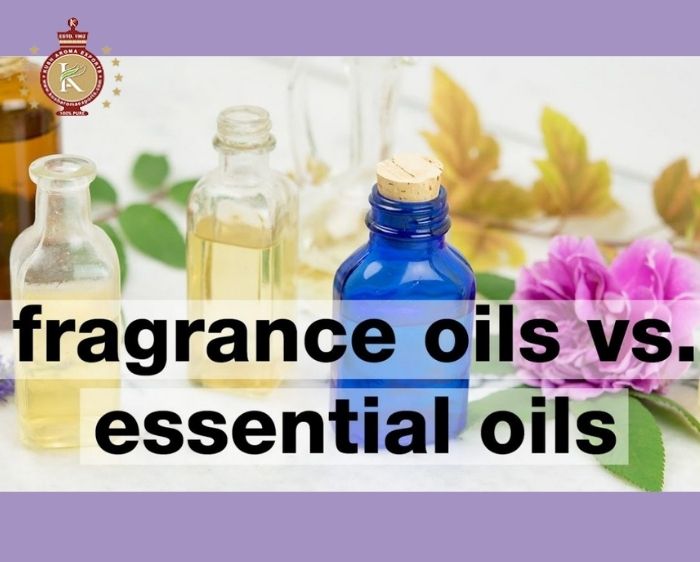
What is the Difference Between Fragrance Oils And Essential Oils

What is Fragrance Oil? 

Fragrance oils are acquired from engineered compounds or from plants or spices that are sweet-smelling. Fragrance oils are known as ‘Attar’ in Hindi and generally contain a few substance compounds.

What is Essential Oil? 

The essential oils are gotten distinctly from regular ingredients that include a few restorative properties. Natural Essential Oils are normally obtained from natural ingredients and are more grounded than fragrance oils.

Distinction Between Fragrance Oil and Essential Oil? 

To comprehend the distinction between fragrance oil versus essential oil definitely, we should analyze them on the beneath given elements:

Properties – Extra Convenient 

Essential Oil Vs Fragrance Oil Properties 

Many individuals inquire as to whether a fragrance oil is equivalent to essential oil for its properties. However, a few properties may be comparative, essential oils are exceptionally thought and may have additional restorative advantages than fragrance oils. For example, essential oils might contain antibacterial, antifungal, antiviral, antispasmodic, calming, pain-relieving, and numerous different properties. You can also buy essential oil online and avoid any potent infections.

Fragrance oils contain sweet-smelling compounds, and the synthetic-based variations as a rule don’t display any helpful properties. Be that as it may, the normally obtained ones can display pressure busting, creepy-crawly repulsing, alleviating, and different properties. Note that even a few essential oils contain these properties

Essential Oil Vs Fragrance Oil Uses 

Essential oils are utilized in cleansers, fragrance-based treatment, back rub, skincare, and hair care applications. Fragrance oils are joined in room revitalizers, diffusers, scented candles, perfume mixes, incense sticks, and so on with regards to fragrance oil versus essential oil in cleansers, you should recollect that main fragrance oils got from natural ingredients are ok for outer purposes. Essential oils likewise should be added alongside diluents as undiluted oils may be unsafe for your skin.

Essential oil can likewise be added to diffusers, perfume mixes, and room purifiers, yet you should be quite certain while deciding the right fixation for these items. The benefit of utilizing fragrance oils while making perfume mixes is that sure synthetic compounds can be mixed to make fragrance oils that are not found normally. For instance, oakmoss and a few different mixtures can be mixed to make Ocean Mist Fragrance Oil. Essentially, fragrance oils impersonating green filler, garden smell, and so on, can be effectively found on the lookout

Benefits – More Effective 

Essential Oil Vs Fragrance Oil Benefits 

Think about the advantages of fragrance oil versus essential oil to find a precise solution for the contrast between essential oils and fragrance oils. Essential oils give alleviation from cuts, wounds, muscle torment, sun-related burns, and diseases. Fragrance oils resuscitate your spirits and ingrain a new fragrance in your rooms.

High-quality Essential oils are utilized for skin issues like skin inflammation, pimples, moles, and so forth They are likewise viable in keeping up with the energy of your skin. While fragrance oils acquired from natural sources can be skin-accommodating, they probably won’t have a similar number of advantages as essential oils do. The basic justification for this is that fragrance oils are used for making perfumes, scented candles, antiperspirants, and comparative items

Essential oils are likewise viable in treating dandruff, split-closes, hair fall, and other hair-related issues. Then again, fragrance oils can be used in beauty care products, skin, and hair care items as a fragrance enhancer. You might breathe in or diffuse essential oils to get help from cold, hack, and comparable issues. It is because of their expectorant and decongestant properties. Fragrance oils ooze an astonishing aroma and assist with aerating the air by wiping out the scent exuding because of residue, soil, and different reasons.

Fragrance Oils versus Essential Oils – Fragrance Last Longer 

Fragrance Oils Versus Essential Oil FRAGRANCE 

Indeed, even essential oils have a strong fragrance relying on the ingredients and their fixation. Be that as it may, as they are not made explicitly for making perfumes or scented candles, their smell probably won’t be as dependable and solid as fragrance oils. Diverse fragrance oils are made for various purposes.

For example, some fragrance oils are useful for making perfume mixes and room revitalizers. Additionally, some fragrance oils are appropriate for fragrance enhancers for beauty care products, cleansers, and individual consideration items. The equivalent goes for essential oils also. Essential oils contain various properties, and however a few advantages may be normal, their adequacy and reason may fluctuate.

organic essential oils
attars, carrier oils, Essential oils, Essential Oils Supplier, floral water, Wild Crafted Essential Oils

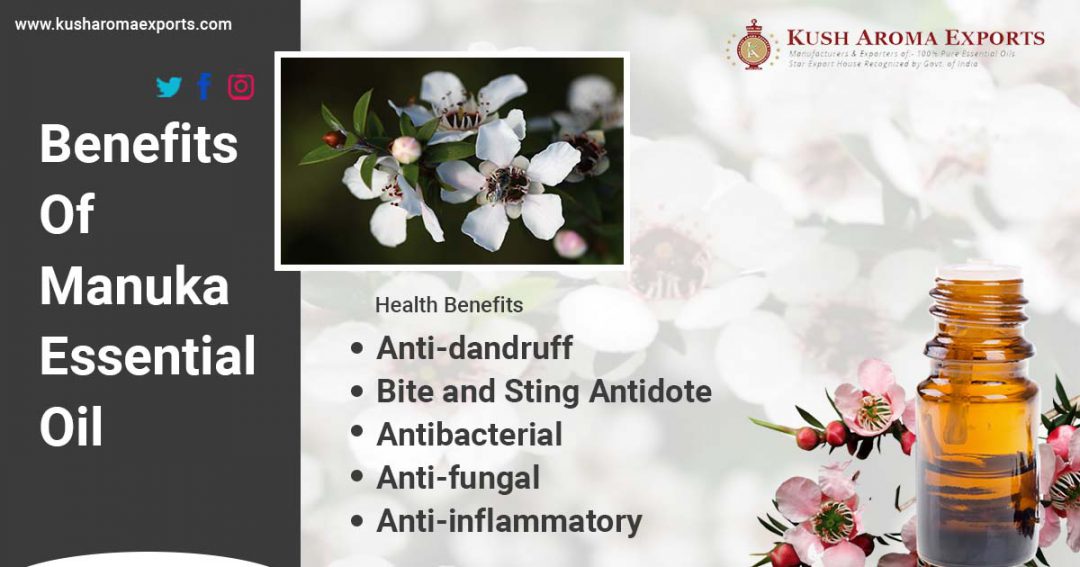
Surprising Benefits of Manuka Essential Oil

Manuka Essential Oil (not to be confused with Manuka nectar) is the new sweetheart of the essential oils local area. Having comparable qualities with tea tree essential oil (Melaleuca alternifolia), manuka essential oil is notable in the Maori populace in New Zealand for its restorative purposes. Manuka has a light, sweet and herbaceous fragrance.   

In case you’re searching for normal ways of supporting your body with next to no incidental effects, Manuka essential oil may simply be your next ‘sacred goal’ oil. However, what is it precisely about this essential oil that makes it exceptional besides the more costly sticker price? Peruse on to find out about the dynamic fixings in Manuka oil and the medical advantages that you can appreciate.  using pure essential oils, natural oils or organic essential oils helps to harness all the benefits in the proper manner. You can get these from any essential oil wholesalers or essential oil manufacturers. 

The Active Ingredient in Manuka Essential Oil   

Manuka Oil has huge loads of phytonutrients that make it possibly the most intense essential oil accessible today. As per a review, Manuka oil has more grounded cancer prevention agent action than tea tree oil, giving it seriously battling power against free extremists. It is additionally less bothering than tea tree oil when applied in modest quantities to the skin.   

Manuka essential oil is most popular for its dynamic fixing–Leptospermone, which is a sort of terpene that is created by plants inside the myrtle family. When separated from the Manuka plant by steam refining, Leptospermone is an unscented, thick, yellow fluid with herbicidal properties. Truth be told, Leptospermone is presently being tried as a way of overseeing weeds in natural cultivating frameworks.   

It Can Help Treat Blemishes   

Actually, like tea tree oil, manuka oil is loaded with antibacterial properties that can assist with treating flaws. Many organizations have fostered skincare items using manuka essential oil as an essential fixing.   

We as a whole realize that most skin inflammation issues are brought about by the overproduction of sebum by the sebaceous organs. At the point when sebum comes into contact with regular contamination and blends in with soil and residue, the skin turns into a favorable place for skin break out causing microorganisms. At the point when left untreated, the skin becomes tainted, and before you know it, you have an extreme instance of skin break out in your grasp.   

Manuka oil, when applied to the skin, lessens bacterial development definitely. It’s especially powerful against Staphylococcus epidermis, Staphylococcus aureus, and Propionibacterium skin break-out microbes.  

To use, simply weaken a modest quantity of the oil with a non-comedogenic carrier oil like grapeseed oil or sweet almond oil and apply to skin break-out spots double a day.   

It Can Speed Up Wound Healing   

Washing wounds with Manuka essential oil aren’t only valuable in cleaning them, however, it likewise speeds up scar tissue mending. So, in case you’re inclined to consume, cuts, and scratches, Manuka oil can be your go-to mending oil.   

Manuka oil is both a cicatrizant and a cytophylactic, which essentially implies that it advances the development of new cells in the body. When applied to influenced regions, it urged the skin to frame scar tissues, which fills in as a hindrance that prevents the contamination from getting inside the injuries. It additionally helps blur scars over the long haul   

While endless examinations to show the mending properties of Manuka nectar on injury treatment, you can use the essential oil and still get a similar impact.   

To use manuka essential oil to clean injuries, simply add a 1 drop to some water and mix well. Then, at that point, plunge a cotton ball or cushion into the water and delicately wash the injury. Or then again comparably, add 4-5 drops to a 15ml shower bottle or apply diluted oil to the wound.  

It Can Cleanse the Scalp Preventing Dandruff   

Dandruff is one of the most baffling and most difficult scalp issues to dispose of. In case you’re wary of spending your cash on a costly enemy of dandruff items that don’t appear to work at that point, it’s no time like the present you try manuka oil out.   

Manuka essential oil feeds the scalp and keeps it from drying. It reestablishes the equilibrium of oil creation in the scalp while warding off contamination, which regularly prompts dry scabs. Since manuka oil has antimicrobial properties, it kills microscopic organisms, yeast, and growth that aggravates the scalp.   

Since both manuka oil and Tea Tree oil come from a similar family, it’s significant that you blend these essential oils in with a carrier oil of your decision to stay away from bothering. Individuals with touchy skin and scalp, specifically, need to use these essential oils sparingly.   

Using manuka oil as helping to dry the scalp is exceptionally simple. Simply add a 2-3 drop into your cleanser and conditioner to get help support the chipping skin. Or then again, assuming you need to make your own for the time being hostile to dandruff treatment, you can blend manuka essential with some coconut oil and back rub it into your scalp. Leave it on overnight and wash your hair with a cleanser the following day to dispose of the oil.  

It Can Treat Fungal Infections   

Are contagious contaminations like a competitor’s foot causing you significant shame? In case you’re searching for a quick and simple way of treating obstinate contagious diseases, manuka oil could help.   

Studies show that manuka oil has hostile to contagious properties that restrain the development of 4 kinds of growths, especially Candida Tropicalis, Candida Albicans, Trichosporon Mucoides, and Malassezia furfur. When applied straightforwardly to the skin, it can kill off the contamination rapidly, with negligible to no incidental effects. 

While certain individuals experience extraordinary outcomes from applying undiluted manuka oil to the skin, wellbeing specialists accept that it’s actually better to fail to err on the side of caution when using essential oils. Using undiluted oils might expand skin disturbance, particularly those with touchy skin.   

Try to weaken manuka essential oil with a carrier oil prior to applying it to the influenced region. Also, remember to dry the region first prior to using the oil with the goal that you don’t disturb the region.