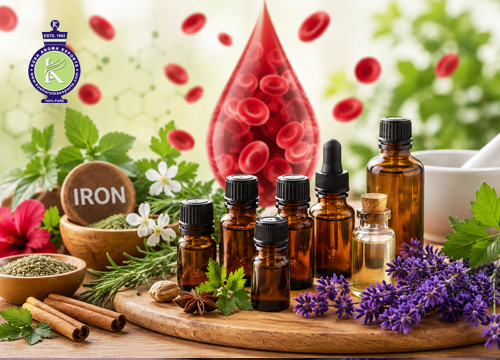
Feeling tired, dizzy, or short of breath? These are common signs of low iron or anemia. Many people search for essential oils for anemia hoping to find natural ways to feel more energized.
Here’s the honest truth first. Essential oils cannot cure anemia. They contain no iron and cannot replace medical treatment. But some oils may support relaxation, circulation, and daily comfort alongside proper care.
This guide covers 11 essential oils for anemia, safe ways to use them, and what real treatment actually involves.
What Is Anemia? A Quick Overview
Anemia happens when your blood has too few healthy red blood cells. These cells carry oxygen around your body. Without enough of them, your organs and muscles run low on fuel.
There are many types of anemia. Some are simple to fix. Others need ongoing medical care. Common causes include:
- Low iron intake or poor iron absorption
- Heavy periods or internal bleeding
- Vitamin B12 or folate deficiency
- Chronic conditions like kidney disease
- Inherited disorders such as sickle cell disease or thalassemia
- Bone marrow problems, as seen in aplastic anemia
Symptoms often include fatigue, pale skin, dizziness, cold hands, and shortness of breath. According to the National Heart, Lung, and Blood Institute (NHLBI), even mild anemia should be checked by a doctor, since the underlying cause determines the right treatment.
Can Essential Oils Really Help With Anemia?
Essential oils work through smell and skin absorption, not through your bloodstream in any meaningful way. So they cannot raise your iron levels directly.
That said, some oils may offer gentle, complementary support. They may help you feel calmer, more alert, or more comfortable while you address the real cause of your anemia.
One small 2025 study found that pregnant women with mild anemia who inhaled rosemary oil, alongside their regular iron supplements, showed a bigger rise in hemoglobin than those on iron alone. This is a single, small trial. It is not proof that oils treat anemia. But it does suggest inhalation may support standard care.
If you have sickle cell anemia, aplastic anemia, or hemolytic anemia, please talk to a hematologist first. These conditions need specialized medical management. Essential oils should never replace that care.
11 Best Essential Oils for Anemia Support
Here are 11 essential oils people commonly use for anemia-related comfort. Always pair them with proper medical treatment, not instead of it.
1. Rosemary Essential Oil
Rosemary is the most researched oil on this list for anemia-related fatigue. Diffusing it may support alertness and a sense of wellbeing during recovery.
2. Lemon Essential Oil
Lemon has a bright, uplifting scent. Many people diffuse it for a mood and energy boost. Pairing vitamin C-rich foods with iron-rich meals also helps your body absorb iron better.
3. Peppermint Essential Oil
Peppermint’s cooling aroma is popular for easing fatigue and mental fog. Try a drop on a tissue when you feel your energy dip.
4. Ginger Essential Oil
Ginger has long been used in traditional practices to support digestion and circulation. A warm, diluted massage blend can feel soothing after a tiring day.
5. Cypress Essential Oil
Cypress oil has a fresh, woody scent. Aromatherapists often include it in blends meant to support a sense of lightness and circulation during massage.
6. Black Pepper Essential Oil
Black pepper oil has a warming aroma. Some small studies pair it with rosemary oil to look at energy and alertness, though more research is needed here too.
7. Thyme Essential Oil
Thyme has a strong, herbal scent and a long history in traditional wellness practices. It is best used in a diffuser rather than applied to skin directly.
8. Cinnamon Leaf Essential Oil
Cinnamon leaf oil brings a warm, cozy aroma. It’s a common addition to seasonal diffuser blends and is always used highly diluted on skin.
9. Cardamom Essential Oil
Cardamom has a sweet, spicy scent. It’s often used to support digestion and settle a restless stomach, which can accompany fatigue.
10. Geranium Essential Oil
Geranium is a favorite for balance and relaxation. Many women use it during self-care routines, especially around hormonal changes.
11. Clove Bud Essential Oil
Clove bud oil is rich and spicy. It has a long folk history in oral care and warming blends, but it is strong and always needs heavy dilution.
Why Purity Matters for Essential Oils for Anemia Support
Since essential oils for anemia are only meant to offer gentle, complementary comfort, quality matters more than quantity. Oils blended with synthetic fragrance, fillers or cheap carrier oils can irritate the skin and airways, which is the last thing you need when you already feel run down. This is why many people look for 100% pure essential oils with a clear botanical name and a batch-wise GC-MS report.
A reliable natural essential oils manufacturer will share this documentation without being asked. Kusharoma Exports follows steam distillation and quality checks for every batch. Before you start any routine, read our essential oil safety guide and learn how to dilute essential oils correctly.
How to Use Essential Oils Safely for Anemia Support
Essential oils are potent. A little goes a long way. Follow these general safety steps:
- Dilute oils in a carrier oil before applying to skin
- Use a diffuser for inhalation instead of direct application
- Do a patch test 24 hours before first use
- Never ingest essential oils without medical supervision
- Keep oils away from eyes and broken skin
Rosemary Oil and Pregnancy: A Safety Note
The rosemary study mentioned earlier used controlled inhalation, not topical or oral use. Many pregnancy safety guides still advise caution with rosemary oil, especially in the first trimester. Always check with your doctor or midwife before using it while pregnant.
Essential Oils for Anemia in Dogs: What to Know
Dogs process essential oils differently than people. Several common oils are toxic to pets, even in small amounts. Never use essential oils to treat a dog’s anemia. Anemia in dogs needs a veterinarian’s diagnosis and care right away.
A Note on Blood Thinning and Bleeding Claims
You may see essential oils marketed as ways to thin blood or stop bleeding. There is no reliable evidence that any essential oil is a safe substitute for medical blood-thinning or clotting treatment.
If you take blood thinners or have a bleeding disorder, talk to your doctor before adding new oils to your routine. Some plant compounds can interact with medication.
Natural Home Remedies for Anemia Beyond Essential Oils
Diet plays the biggest role in most cases of iron-deficiency anemia. Consider these evidence-based habits alongside any oil routine:
- Eat iron-rich foods like spinach, lentils, and lean red meat
- Pair iron-rich meals with vitamin C, like citrus fruit, to boost absorption
- Ask your doctor about iron or B12 supplements if needed
- Limit tea and coffee around mealtimes, since they can block iron absorption
Fish oil is sometimes mentioned for anemia. It contains omega-3s, not iron, so it does not directly treat low iron levels. It may still support general heart and joint health as part of a balanced diet.
Best Herbs for Iron Deficiency
A few herbs are traditionally paired with an iron-rich diet. Evidence is still limited, so treat these as add-ons, not replacements for medical care.
- Nettle leaf — often brewed as a tea, valued in folk herbalism for general mineral support
- Moringa leaf — popular in traditional diets for its overall nutrient density
- Dandelion leaf — sometimes used in herbal blends alongside iron-rich meals
- Yellow dock root — a classic herbalist pick, though it should be used under guidance
Always check with your doctor before adding new herbs, especially if you take medication or are pregnant.
When to See a Doctor
Please see a doctor if you notice:
- Ongoing fatigue that doesn’t improve with rest
- Chest pain or a racing heartbeat
- Pale skin, brittle nails, or hair loss
- Shortness of breath during normal activity
A simple blood test can confirm anemia and its cause. From there, your doctor can recommend the right treatment, whether that’s diet changes, supplements, or further care. The NHLBI’s anemia treatment guide is a helpful, trustworthy starting point for understanding your options.
How to Choose Trusted Essential Oils Manufacturers and Suppliers
If you are a spa owner, wellness brand or retailer building a product range, the supplier matters as much as the oil. The best essential oils manufacturers and suppliers share these qualities:
- They offer 100% pure essential oils with no additives
- They have their own distillation and testing setup
- They provide purity reports and clear batch details
- They support bulk orders and export paperwork
When comparing 100% pure essential oils manufacturers and natural essential oils suppliers, ask for samples and test reports first. Our guide on how to choose the best supplier of pure and natural essential oils explains what to check before placing an order. You can also see how oils last over time in our post on shelf life and storage of essential oils.
Buying in Bulk from Essential Oils Wholesale Suppliers in India
India is one of the world’s major sources of aromatic oils, and Kannauj is known for its distillation tradition. Among essential oils wholesale suppliers and essential oil wholesale suppliers in India, Kusharoma Exports is a natural essential oils manufacturer and supplier serving buyers in India and abroad. As a 100% natural essential oils manufacturer and supplier, we offer bulk packing, private labelling and export support for wellness brands, aromatherapists and formulators.
Looking for rosemary, lemon, ginger or peppermint for your range? Browse our natural essential oils and therapeutic grade essential oils, or contact Kusharoma Exports for wholesale pricing.
Shop Pure Essential Oils at Kush Aroma Exports
Kush Aroma Exports has manufactured pure, natural essential oils since 1962. Every batch is steam-distilled and quality-checked before it reaches you.
Explore our rosemary essential oil, lemon essential oil, and ginger root essential oil to build your own wellness routine.
Frequently Asked Questions
No. Essential oils cannot cure anemia or replace iron supplements, prescribed medication, or medical treatment. They may be used for aromatherapy and relaxation alongside appropriate medical care, but anemia requires proper diagnosis and treatment based on its underlying cause.
Rosemary and peppermint essential oils are popular in aromatherapy for their fresh, stimulating aromas. However, there is no reliable scientific evidence that they treat fatigue caused by low iron or increase iron levels. Consult your healthcare professional to identify and address the cause of fatigue.
Pregnant women should consult their healthcare professional before using rosemary essential oil. Safety considerations may vary depending on the method of use, concentration, and stage of pregnancy. Avoid using concentrated essential oils without professional guidance.
No. Essential oils should not be used to treat anemia in dogs. Some essential oils can be toxic to pets, and anemia requires proper veterinary diagnosis and treatment. Always consult a veterinarian before using any aromatic or topical products around your dog.
There is insufficient reliable clinical evidence that essential oils can safely thin the blood or treat blood-clotting conditions. Some oils may interact with medications, so consult your healthcare professional before using them, especially if you take blood-thinning medication. Never replace prescribed treatment with essential oils.