Browsing Tag

Peppermint Oil

essential oil for skin tightening natural anti aging skincare
Essential oils, Essential Oils Benefits, Uncategorized

13 Best Essential Oils for Skin Tightening (2026 Guide)

Essential oils can help firm sagging skin by providing antioxidants, boosting collagen, and acting as a natural astringent. When diluted in carrier oils or serums, these plant extracts nourish skin cells, tighten pores, and give a more youthful firmness. In this guide, we cover 13 essential oils proven to tighten skin and reduce wrinkles, explaining each oil’s benefits and how to use it for firmer, glowing skin. Whether your goal is to smooth fine lines or lift sagging areas, these oils have science-backed effects that make them great additions to any anti-aging routine.

How Essential Oils Work for Skin Tightening

Essential oils help firm skin mainly in three ways: antioxidant protection, collagen support, and astringent action. Many oils (like rosemary, lavender, and frankincense) are loaded with antioxidants that neutralize free radicals, preventing collagen breakdown. Others (citrus oils, geranium, neroli) contain compounds that stimulate collagen or tighten pores. The combined effect is firmer, smoother skin over time. In practice, you apply a few drops of these oils (diluted) to clean skin. They can be mixed into nightly serums, added to moisturizers, or used in facial massage to boost circulation and tone tissues. Always follow with proper hydration and sun protection, since many effective oils (especially citrus) increase photosensitivity.

1. Rosemary (Rosmarinus officinalis) Essential Oil

Rosemary oil is a potent antioxidant that protects skin cells from damage and increases circulation. A 2022 study found rosemary oil has antioxidant properties that can potentially slow skin aging. It also improves hydration and elasticity, making skin look plumper and tighter. To use: dilute 2–3 drops of rosemary oil in a carrier (like jojoba oil) and apply as a facial or body toner. Massage gently into areas prone to sagging. Its stimulating effect boosts blood flow, which firms tissues and gives skin a healthy, lifted glow. 


2. Cypress (Cupressus sempervirens) Essential Oil

Cypress oil acts like a natural astringent, helping to tighten pores and firm the skin. It draws excess oils away, which can give the skin a tighter, more refined appearance. Volantaroma notes cypress is one of the top oils for skin tightening. To use: mix a few drops of cypress oil into your favorite carrier oil or lotion and massage into the skin (especially on legs or areas with cellulite). It’s also excellent in massage blends or baths for overall skin toning. Because of its powerful effects, it always dilutes well; even a 2–3 drop addition to 1–2 teaspoons of carrier oil is enough for each application.

3. Frankincense (Boswellia carterii/serrata) Essential Oil

Frankincense oil is famed for boosting collagen synthesis and supporting cell regeneration. It “helps reduce the appearance of wrinkles and fine lines” by promoting new tissue growth. This deeply penetrating oil improves skin elasticity and firmness. To use it, blend 1–2 drops into a nightly moisturizer or a DIY face serum. Massage into your face and neck in an upward motion. Over time, frankincense can help tighten sagging jawlines and flatten wrinkles. Its soothing, resinous aroma also helps reduce inflammation and calm stressed skin. (Tip: Frankincense combines well with geranium or lavender for added firming effect.)

4. Geranium (Pelargonium graveolens) Essential Oil

Geranium oil is a gentle astringent that “balances sebum production, tightens the skin and supports new cell growth”. It has been shown to promote circulation and cell renewal, which delays visible aging. Healthline notes geranium’s astringent effect as “skin-tightening”. Use 2–3 drops of geranium oil in a carrier cream or lotion and apply daily to problem areas (face, neck, décolletage). It can also be diffused or added to baths for overall firming. Its floral scent is uplifting, and topically it helps even out tone, reduce redness, and keep skin firm and supple.

5. Lavender (Lavandula angustifolia) Essential Oil

Lavender oil is a multi-tasker: it soothes, heals, and protects skin. Its antioxidants fight damage and support healthy cell turnover. Lavender increases circulation, delivering oxygen and nutrients to the skin for renewal. This results in smoother texture and firmer appearance over time. To use lavender for tightening: add 2 drops to a carrier (like rosehip or sweet almond oil) and apply to fine lines or stressed areas every night. It also calms inflammation, which can contribute to puffiness and sagging. Consistent use can reduce wrinkles around eyes and mouth while leaving skin firmer. (Plus it’s very gentle, suitable even for sensitive skin.)

6. Neroli (Citrus aurantium) Essential Oil

Neroli oil (orange blossom) is rich in vitamin C and antioxidants, making it excellent for firmer skin. It promotes collagen production and helps regenerate skin cells. Specifically, neroli’s compounds aid in “regenerating skin cells, tightening the skin, and reducing the appearance of wrinkles”. It also moisturizes deeply, which plumps crepey, sagging areas. Use 1–2 drops of neroli oil mixed into your moisturizer or night cream. Gently massage onto the face and neck. Its light floral scent makes it ideal for calming bath soaks or facial mists. With regular use, neroli oil helps skin snap back, leaving a firmer, more elastic complexion.

7. Lemon (Citrus limon) Essential Oil

Lemon oil is a powerful antioxidant and natural toner. It’s very high in vitamin C, which is known to boost collagen production and brighten skin. A 2022 study noted citrus oils have strong antioxidant activity that can smooth wrinkles. When applied topically (always diluted!), lemon oil helps tighten the skin and fade dark spots. Use 1 drop of lemon oil per teaspoon of carrier oil in a DIY mask or serum. Apply it to areas like cheeks or underarms for a firming effect. (Important: Lemon EO is photosensitizing, so always wear sunscreen or avoid sun exposure on treated areas.)

8. Grapefruit (Citrus paradisi) Essential Oil

Grapefruit oil boosts circulation and has mild tightening effects. It’s often used in anti-cellulite blends, which in turn firms loose skin. The active compounds in grapefruit increase blood flow, helping to tone and smooth the skin’s surface. For best results, mix 2–3 drops of grapefruit oil into a carrier (like grapeseed or jojoba) and massage onto thighs, abdomen, or arms. Its bright, energizing scent also supports detoxification and skin renewal. Consistent use reduces puffiness and gives skin a more taut appearance.

9. Ylang Ylang (Cananga odorata) Essential Oil

Ylang ylang oil is rich in antioxidants that help rebuild and smooth the skin. It also balances sebum, which moisturizes and plumps the skin. This “toning effect” helps smooth fine lines and tightens the overall look. Use 1–2 drops of ylang ylang oil diluted in a carrier oil as a nighttime face treatment. Massage it into areas like around the eyes, mouth, or neck. Its relaxing fragrance can also reduce stress-induced aging. Over time, ylang ylang keeps skin supple and lifted, especially when combined with massage.

10. Helichrysum (Helichrysum italicum) Essential Oil

Helichrysum (also called “immortelle”) is prized for its healing, anti-aging benefits. It boosts cell regeneration and collagen, and has anti-inflammatory effects. A clinical trial using a cream with helichrysum extract showed improved skin hydration and fewer wrinkles over 12 weeks. To use helichrysum: dilute 1 drop in a carrier oil and apply to fine lines, scars, or sun-damaged spots. It helps skin renew itself. Many users report that helithrysum visibly tightens and tones the skin, reducing redness and the look of age spots. It works wonderfully when added to serums with rose or frankincense.

11. Sandalwood (Santalum album) Essential Oil

Sandalwood oil deeply hydrates and calms inflammation, which helps skin stay firm. Its natural emollients lock in moisture, plumping up the skin to smooth wrinkles. Sandalwood also has antioxidants that protect against aging. Use 1–2 drops of sandalwood oil mixed into your evening moisturizer. Massage gently – it will create a warm, soothing effect. Over time, the increased moisture retention and anti-inflammatory action make the skin surface look tighter and more resilient. Sandalwood’s woody scent is relaxing, too, making it a great bedtime oil for skin repair.

12. Juniper Berry (Juniperus communis) Essential Oil

Juniper berry oil is a top choice for firming cellulite-prone areas. It’s high in antioxidants and improves lymphatic drainage and circulation. A 2024 study found Juniperus chinensis oil significantly boosted skin cell collagen and elastin production, enhancing skin elasticity. To use: dilute 2–3 drops in a carrier oil (like apricot kernel) and massage onto thighs, hips, and belly. Regular massages with juniper oil help drain excess fluid and tighten sagging skin. It’s often used in detox blends for a toned appearance. (Check that you do not have a sensitivity to pine/needle scents.)

13. Bergamot (Citrus bergamia) Essential Oil

Bergamot oil has astringent and antiseptic qualities that can tighten and tone the skin. Aromatherapy experts include bergamot among oils that help “tighten skin”. It also has a fresh citrus scent that reduces stress, which indirectly benefits skin. To use bergamot safely, mix 1 drop in a carrier oil after sun exposure (it can increase photosensitivity like other citrus oils). Massage lightly into areas with dull or sagging skin. Its mood-boosting scent combined with astringent action helps lift and firm the complexion over time.

Tips for Using These Essential Oils

  • Always dilute. Mix essential oils in a carrier oil or cream before applying. A typical ratio is 1–3 drops of essential oil per teaspoon of carrier. Undiluted oils can irritate skin.
  • Perform a patch test. Apply a small diluted patch on your forearm 24 hours before full use to ensure no reaction.
  • Apply consistently. For best results, use these oils daily or several times a week as part of your skincare. Regular massage increases blood flow and promotes firming.
  • Combine wisely. Many oils can be blended. For example, mix rosemary + frankincense for a powerful anti-aging serum, or geranium + sandalwood for a moisturizing firming cream. Experiment to find the blends you like (always keep the total drops per carrier amount the same).
  • Use with carrier oils. Good carriers for tightening include jojoba, almond, argan, or rosehip oil, which themselves nourish skin. Mixing oils will not only dilute them but add extra nutrients.
  • Avoid sunlight with citrus. After applying lemon, grapefruit, or bergamot oils, stay out of direct sun for several hours or cover the area. These citrus oils can make your skin more prone to sunburn.
  • Target problem areas. Massage the oils onto areas like under-eyes (for crow’s feet), jawline (to lift), abdomen/thighs (for cellulite), or anywhere skin feels lax. Gentle upward strokes help encourage a lifting effect.

Precautions and Tips

Essential oils are potent and must be used carefully. Always dilute them in a carrier oil (like jojoba, almond, or coconut oil) before applying; full strength oils can irritate sensitive skin. Perform a patch test first. Avoid sun exposure on areas treated with citrus oils (lemon, bergamot, grapefruit, etc.), since they can increase photosensitivity. If you have sensitive skin, allergies, or are pregnant, consult a dermatologist before use. With safe use, these oils can be a natural, effective addition to your skincare routine for firmer, more youthful skin

Essential Oils for Dry Nose Relief
Uncategorized

Essential Oils for Dry Nose Relief: 7 Natural Remedies That Actually Work

Introduction

Dry nose is a common issue affecting millions of people, especially during winter, in air-conditioned environments, or in regions with high pollution levels. Nasal dryness can lead to irritation, itching, mild bleeding, sinus discomfort, and breathing difficulties.

Many people search for a natural remedy for dry nose instead of relying on chemical nasal sprays. This is where essential oils for dry nose relief offer a gentle and effective solution.

When used properly and safely diluted, certain essential oils can help:

  • Support nasal moisture balance
  • Soothe irritated nasal passages
  • Promote sinus comfort
  • Improve breathing comfort

In this detailed guide, we will explore 7 effective essential oils for nasal dryness, how to use them safely, and expert-backed application methods.

What Causes Dry Nose?

Understanding the root cause helps in choosing the right dry nose remedy.

Common Causes:

  1. Cold weather and low humidity
  2. Air conditioning exposure (8+ hours daily)
  3. Indoor heating systems
  4. Pollution and dust exposure
  5. Dehydration
  6. Overuse of decongestant sprays

Studies show that low humidity environments below 30% indoor humidity levels significantly increase nasal dryness and irritation.

7 Best Essential Oils for Dry Nose Relief

Here are the most effective essential oils used for sinus comfort and nasal hydration support.

1. Eucalyptus Essential Oil

Eucalyptus oil is widely known for its respiratory support properties.

Benefits:

  • Helps open nasal passages
  • Supports sinus relief
  • Promotes clearer breathing

Best Use: 

Steam inhalation (2–3 drops in hot water).

2. Lavender Essential Oil

Lavender oil provides calming and soothing properties.

Benefits:

  • Reduces nasal irritation
  • Supports skin repair inside nasal lining
  • Helps reduce inflammation

Best Use: 

Diffuser use (3–4 drops per 100 ml water).

3. Tea Tree Essential Oil

Tea tree oil is known for its purifying properties.

Benefits:

  • Supports nasal hygiene
  • Helps maintain healthy nasal tissues
  • Reduces microbial buildup

Important: 

Always dilute at a 1% ratio (1 drop per 5 ml carrier oil).

4. Peppermint Essential Oil

Peppermint oil contains menthol, which promotes cooling and sinus comfort.

Benefits:

  • Instant cooling sensation
  • Supports sinus pressure relief
  • Improves airflow

Usage Tip: 

Add 1–2 drops to a diffuser; avoid direct internal nasal application.

5. Frankincense Essential Oil

Frankincense is traditionally used for respiratory wellness.

Benefits:

  • Supports tissue regeneration
  • Helps soothe dry nasal membranes
  • Promotes deeper breathing

6. Chamomile Essential Oil

Chamomile oil is known for its gentle soothing effect.

Benefits:

  • Reduces irritation
  • Supports inflammation control
  • Suitable for sensitive individuals

7. Rosemary Essential Oil

Rosemary oil stimulates circulation and sinus comfort.

Benefits:

  • Supports respiratory function
  • Helps relieve sinus discomfort
  • Promotes nasal clarity

4 Safe Ways to Use Essential Oils for Nasal Dryness

Safety is crucial when using essential oils near nasal passages.

1. Steam Inhalation (Most Effective Method)

  • Boil water
  • Add 2–3 drops essential oil
  • Inhale steam for 5–7 minutes
  • Repeat once daily

This method helps oils reach nasal passages gently.

2. Diffuser Method

  • Add 3–5 drops to diffuser
  • Run for 30–45 minutes
  • Ideal for dry AC environments

Maintains ambient humidity support.

3. Diluted Topical Application

  • 1 drop essential oil
  • 5 ml carrier oil (such as sweet almond or jojoba oil)

Apply gently around the nostrils NOT inside deeply.

4. DIY Nasal Balm (Advanced Use)

  • 10 ml carrier oil
  • 2 drops lavender
  • 1 drop frankincense

Apply lightly under the nostrils before sleep.

Expert Safety Guidelines


As manufacturers and exporters of essential oils, maintaining purity, correct dilution, and safety standards is critical.

Important Safety Points:

  • Never apply undiluted essential oil inside the nose
  • Keep dilution under 1–2% for facial use
  • Avoid use for children under 6 years without consultation
  • Perform patch test before topical use
  • Store oils in cool, dark place below 25°C

High-quality, pure essential oils are essential for safe respiratory applications.

Why Purity Matters in Essential Oils for Dry Nose Relief

Low-quality or adulterated oils can cause irritation instead of relief. For respiratory use, oils must be:

  • 100% pure
  • Steam distilled or cold pressed
  • Free from synthetic additives
  • Tested for quality and consistency

Purity ensures better aroma profile, effectiveness, and safety.

When to Seek Medical Advice

If symptoms include:

  • Frequent nosebleeds
  • Severe sinus pain
  • Chronic dryness lasting over 3 weeks
  • Breathing difficulty

Consult a medical professional immediately.

Essential oils support comfort but are not a replacement for medical treatment.

Final Thoughts

Dry nose can be uncomfortable, especially during winter or prolonged AC exposure. Choosing the right essential oils for dry nose relief offers a natural, supportive solution.

With proper dilution, safe usage methods, and high-quality oils, nasal dryness can be managed effectively and naturally.

Using essential oils consistently in a diffuser or steam inhalation method can provide noticeable improvement within 5–7 days of regular use.

Frequently Asked Questions (FAQs)

1. What is the best essential oil for dry nose relief?

Eucalyptus and lavender essential oils are among the most effective for supporting sinus comfort and reducing nasal dryness when properly diluted.

2. How many drops of essential oil should I use for steam inhalation?

Use 2–3 drops in hot water and inhale steam for 5–7 minutes once daily.

3. Can I apply essential oil directly inside my nose?

No. Essential oils must always be diluted and applied externally around the nostrils only.

4. How long does it take for essential oils to relieve dry nasal passages?

Many users report noticeable comfort within 3–7 days of consistent use.

5. Are essential oils safe for sinus dryness?

Yes, when properly diluted (1–2%) and used according to safety guidelines.

spring essential oil blends
Uncategorized

Spring Essential Oil Blends: Refresh Your Skin & Home Naturally

Spring marks a season of renewal and fresh scents. As flowers bloom and days grow longer, it’s the perfect time to swap heavy winter lotions and fragrances for lighter, uplifting blends. Aromatherapists encourage bringing “floral, citrus, and fresh scents” into your home in spring. Essential oils shine now: citrus notes like lemon or grapefruit revive the senses, while gentle florals like lavender and geranium soothe and heal. This seasonal shift is ideal for “spring essential oil blends”  mixes of oils chosen to invigorate the skin and space. Using essential oils for spring skin care and aromatherapy can brighten mood, hydrate complexion, and refresh living spaces. In this guide, we’ll explore why spring is perfect for a skincare refresh, highlight top springtime oils, and share DIY blends for skin, diffusers, and soap.

Why Spring Is the Perfect Time to Refresh Your Skin

Winter’s cold, dry air often leaves skin dull, tight, or even flaky. When spring arrives, increased humidity and warmer weather naturally rehydrate our skin. It’s an ideal time to shed winter layers and rebuild a lighter, glowing complexion. Unlike synthetic skincare, many essential oils carry naturally moisturizing, antioxidant properties. As one source notes, essential oils can “brighten, smooth, and moisturize” skin using their natural constituents. For example, oils with humectant or soothing properties help fight winter dehydration. Incorporating hydrating carrier oils (like jojoba or coconut) with targeted essential oils can deeply nourish parched skin.

Essential oils also help combat lingering inflammation or winter “blues.” Many springtime oils have anti-inflammatory, antibacterial or detoxifying effects. For instance, geranium (rose geranium) has natural astringent and anti-aging properties that improve texture, remove dead cells, and even out tone. Peppermint oil calms redness and refreshes both skin and mind, promoting clarity and energy. Citrus oils like lemon or grapefruit gently exfoliate and clarify, helping to shed winter dullness. In short, spring is all about revitalizing and essential oils provide the perfect natural boost to renew and hydrate your skin after winter’s stress.

Top Essential Oils for Glowing Spring Skin

When it comes to spring essential oils for skin, some standouts combine gentle healing with bright, uplifting scents. Here are a few top picks for springtime skincare:

Lemon Essential Oil (Citrus limonum)


A classic spring oil, lemon is antibacterial, anti-inflammatory and brightening. It can treat acne, reduce blemishes, and promote a clearer complexion. In skincare, diluted lemon oil (combined with a carrier) can lighten dark spots and lift away leftover winter dullness. (Explore Kush Aroma’s organic Lemon Oil.)

Lavender Essential Oil (Lavandula angustifolia) 

Gentleness itself, lavender soothes irritation and accelerates healing. It’s celebrated as “the best essential oil for skin” because it treats acne, lightens the skin, and reduces wrinkles. Lavender’s antibacterial and antioxidant properties unclog pores and diminish inflammation. Apply a few drops to blemished areas or use in a calming facial spray. (See Kush Aroma’s Bulgarian Lavender Oil for ultra-pure lavender.)

Rose Geranium Essential Oil (Pelargonium roseum) 

 Rose geranium has a wonderfully rosy-floral scent and is prized in spring blends. It brightens skin like a natural astringent and removes dead skin cells. Its strong antioxidant and anti-aging effects improve texture and shrink pores. Use rose geranium diluted in lotion or cream to even out tone and soothe inflamed or sensitive skin. (Kush Aroma’s Rose Geranium South African Oil is a great choice.)

Peppermint Essential Oil (Mentha x piperita) 

Peppermint’s cooling menthol makes it refreshing on spring mornings. It’s antibacterial and antiseptic, and often called the “true skin saver”. Peppermint can calm acne, reduce acne-causing bacteria, and soothe irritated or oily skin. Its invigorating scent also boosts alertness and energy. Add a drop or two to a toner or facial scrub to gently wake up and clear skin. (Try Kush Aroma’s Japanese Peppermint Oil.)

Grapefruit Essential Oil (Citrus racemosa) 

Grapefruit oil brings a bright, tangy aroma and is a spring favorite. It has a “fresh and tangy aroma which expresses a mouthwatering zest”. This oil is known to treat numerous skin ailments, helping to tone and revitalize the complexion. Its refreshing scent uplifts the mood while purifying skin with natural antiseptic qualities. (Explore Kush Aroma’s Grapefruit Essential Oil White.)

Other spring beauties include Geranium, Bergamot, Ylang Ylang, and Roman Chamomile, all of which calm redness and balance oil production. Floral oils like lavender and geranium add a gentle, soothing note, while herbs like basil or rosemary refresh tired skin. Citrus oils (orange, lime) are excellent for a spring detox, as they are uplifting and help cleanse pores. In essence, spring blends typically mix floral and citrus aromas to “invigorate your senses and enhance your mood”. By choosing the right essential oils, you can create a natural springtime skincare routine that moisturizes, brightens and refreshes your skin.

Essential Oil Blends That Actually Work

Combining essential oils into blends unlocks new benefits. Below are DIY blend ideas for skincare, diffusers, and even soap-making, all perfect for spring.

Spring Skincare Blends

Create gentle serums, masks, or creams by mixing essential oils with carrier oils (like jojoba, almond, or coconut). For example:

Brightening Serum: 

In a 1 oz bottle of jojoba oil, add 3–4 drops lemon, 3 drops lavender, and 2 drops geranium. Gently massage a drop onto cleansed skin each morning to boost radiance and clear summer-breakouts.

Hydrating Facial Oil: 

Combine 1 tbsp rosehip oil (rich in vitamins) with 2 drops grapefruit, 1 drop ylang-ylang, and 1 drop chamomile oil. This blend deeply nourishes sensitive or dry skin while delivering a fresh, floral scent.

Energizing Body Scrub: 

In a jar of sugar or salt scrub base, stir in 5 drops sweet orange, 5 drops peppermint, and 3 drops rosemary essential oils. Use weekly to buff away dead skin and enjoy a refreshing scent that feels like a spring breeze on your skin.

Soothing Face Mask:

Mix 2 drops of lavender, 1 drop tea tree, and 1 drop frankincense into plain yogurt or honey. Apply for 10 minutes to calm redness and renew dull winter skin.

These blends use the principle that citrus oils energize and brighten the mood, while floral oils calm and purify. The result is a natural “fresh scent essential oil recipe” for skincare that feels clean and uplifting, with no harsh chemicals. Always dilute essential oils properly and patch-test blends first.

Spring Diffuser Blends

Diffusing oils is a quick way to fill your home with spring’s essence. Here are a few spring diffuser recipes:

Citrus Breeze: 

4 drops lemon + 3 drops sweet orange + 2 drops peppermint. Fresh and uplifting, this blend clears the air and awakens the senses perfect for a spring morning.

Floral Springtime: 

3 drops lavender + 3 drops geranium + 2 drops bergamot. This soothing floral blend creates a spa-like atmosphere that relieves stress and purifies air.

Garden Fresh: 

3 drops rosemary + 3 drops peppermint + 2 drops grapefruit. An herbal-citrus mix that energizes and eases mental fog, great for allergy season (rosemary helps clear sinuses).

Citrus Mint Refresh:

5 drops grapefruit + 3 drops lime + 2 drops eucalyptus. Invigorating and uplifting, this combo revitalizes your home like a spring rain ideal for combating winter blues.

For more inspiration, AromaWeb even offers ready “Spring Blend” recipes (e.g. ylang-ylang + lavender + mandarin) that exemplify the best spring essential oil blends. You don’t need branded kits (though dōTERRA and Young Living sell their own “Spring” collections); these DIY diffuser blends are effective, budget-friendly, and customizable. Simply add your chosen mix (4–8 drops total) to your diffuser with water, and enjoy a springtime refresh. Use these refreshing diffuser blends especially in living areas or home offices to maintain a cheerful, allergy-aware atmosphere.

Spring Soap Blends

Making soap with essential oils is a fun way to infuse daily routines with spring fragrance. When cold-process or melt-and-pour soap bases, add a few drops of spring oils before hardening:

Citrus Sunrise Soap: 

Add sweet orange (or tangerine), lemon, and a touch of lemongrass to a basic goat milk soap base. The bright citrus scent feels like morning sunshine.

Lavender & Rose Soap: 

Mix lavender, rose geranium, and a bit of cedarwood for a floral, woodsy bar. This is gentle on skin and great for calming shower routines.

Energizing Mint Soap:

Combine peppermint, eucalyptus, and spruce oil for a morning awakening soap leaves skin cool and clear.

Herbal Spring Soap: 

Blend rosemary, thyme, and orange oils into an unscented soap base for an aromatic garden soap. It works well for body bars after gardening or outdoor chores.

For inspiration, DIY skincare blogs suggest recipes like “Citrus Sunshine” soap bars (with orange, lemon, lemongrass) to fight winter grey. Essential oils like grapefruit, lemongrass, and rosemary are especially good in soap, providing a clean, fresh spring aroma. Just be sure to follow proper soapmaking safety and add the oil at recommended rates (typically 1–2% of total batch).

These spring soap blends make perfect gifts (Mother’s Day, anyone?) and keep your skin feeling smooth as the seasons change.

Conclusion

Springtime is all about renewal for nature and for us. By incorporating spring essential oils and blends into your routine, you harness the season’s uplifting energy to refresh your skin and your home. Citrus oils like lemon and grapefruit brighten both mood and complexion, while floral oils like lavender and geranium soothe and nourish. Simple diffuser blends can fill your home with the “fresh scents of spring”, and DIY skincare blends will reveal a hydrated, glowing complexion after winter.

Whether you try a new spring diffuser recipe, a natural springtime serum, or even a homemade spring soap, the key is to balance citrus, herbal and floral notes. These combinations create refreshing essential oil blends that enliven senses and skin alike. By choosing pure oils for example, Kush Aroma’s Lavender, Lemon, Peppermint, or Rose Geranium you ensure maximum effectiveness. Embrace this spring “refresh” and let the power of nature’s oils renew your routine naturally.

Frequently Asked Questions (FAQs)

  1. Which essential oils are best for spring?

Some of the best essential oils for spring include:

These oils help refresh the mood, purify the air, and support glowing skin after winter dryness.

  1. What are the best spring essential oil blends for soap making?

For spring essential oil blends for soap, try:

  • Sweet orange + lemon + lemongrass (fresh citrus scent)
  • Lavender + geranium (floral and calming)
  • Peppermint + rosemary (energizing herbal blend)
  1. Are spring essential oil blends safe for daily use?

Yes, when diluted properly, fresh spring essential oil blends can be used daily in diffusers or skincare. Always perform a patch test before topical use and avoid direct sun exposure after applying citrus oils.

  1. What makes spring time essential oil blends different from winter blends?

Spring time essential oil blends are lighter, fresher, and more uplifting. While winter blends focus on warming oils like cinnamon and clove, spring blends emphasize citrus, floral, and green herbal oils to promote renewal and freshness.

  1. Can I use spring essential oil blends in DIY candles?

Yes, many best spring essential oil blends work beautifully in candles. Citrus-floral blends such as lemon + lavender or grapefruit + bergamot create a clean and refreshing ambiance.

  1. How long should I diffuse spring essential oils?

It is recommended to diffuse spring essential oil blends for 30–60 minutes at a time. This prevents scent fatigue and ensures safe aromatic exposure

What Smells Keep Spiders Away?
Uncategorized

What Smells Keep Spiders Away? Natural Tips To Keep Them Out Of Your House

Nobody enjoys having spiders wander around their house. Even though spiders help manage other bugs, their presence inside can make many uncomfortable. , nature provides simple methods to keep them away: essential oils. But what smells do spiders avoid? Let’s explore the best scents to keep spiders at bay and ways to create a spider-free space at home!

Why Choose Smells To Keep Spiders Away?

Unlike chemical sprays essential oils provide a safer and eco-friendly option to keep spiders away. Their strong compounds mess with a spider’s sense of smell and make them leave the area.

Advantages of essential oils:

  • Safe to use around pets and kids if handled
  • Smells nice to humans
  • Works as both a spider repellent and an air freshener
  • Leaves no harmful chemicals behind

What Scents Keep Spiders Away?

These are the essential oils and smells that spiders dislike the most:

1. Peppermint Oil

Spiders avoid the sharp menthol scent of peppermint.

  • Works as a natural bug killer
  • Messes with a spider’s sensory system
  • Makes your home smell great

Steps to use:

  • Add 10 drops of peppermint oil to water in a handheld sprayer
  • Spray this mix along corners, window edges, doorframes, and behind large furniture pieces

Click here to explore how peppermint oil keeps insects away

2. Lavender Oil

While people use lavender to relax, it also helps in keeping bugs and spiders away.

  • Has linalool and linalyl acetate, which spiders try to avoid
  • Can freshen up a room and help you sleep better

Homemade Idea:

  • Take a few cotton balls and add a bit of lavender oil.
  • Put them inside your drawers, closets, or even near air vents.

3. Tea Tree Oil

Tea tree oil works well because it has antifungal and antiseptic features that spiders dislike.

  • Keeps many pests away.
  • Cleans floors and keeps bugs from sticking around.

How to use it:

  • Mix around 10 drops into a bucket of water and use it to mop.

4. Eucalyptus Oil

The sharp, camphor-like smell of eucalyptus oil makes it great at keeping spiders at bay.

  • It sanitizes .
  • Diffusing or spraying it works .

Quick tip:

  • Put eucalyptus oil in a diffuser to spread its scent across bigger spaces like your living room or office.

5. Citrus Oils (Lemon, Orange Grapefruit)

Spiders hate citrus smells due to limonene, which is a natural way to keep pests away.

  • Uplifting scent that feels fresh
  • Works to clean, deodorize, and keep spiders at bay

Quick tip:

  • You can rub citrus peels straight onto windowsills and baseboards.
  • Another option is to mix citrus essential oils in a spray and use that.

Scents That Help Keep Spiders Away:

  • Cinnamon – strong and spicy. It keeps spiders and ants away.
  • Citronella – mostly known to chase off mosquitoes but also works great on spiders.
  • Vinegar – its sharp sour smell pushes spiders away, though it doesn’t smell as nice as oils.

Ways to Use Essential Oils Against Spiders

1. Make a Spider-Repellent Spray

Create your own spider spray by mixing:

  • 1 cup of water
  • 10–15 drops of an essential oil like peppermint, lavender, or citrus
  • 1 teaspoon of white vinegar (if you choose to add it)

Spray this every week in areas like:

  • Along baseboards
  • Around entry points
  • Into cracks and corners
  • In attics or basements

2. Using Diffusers

To fill your room with the fragrance, add 5–10 drops of essential oil to a diffuser.

3. Cotton Ball Trick

  • Dip some cotton balls in essential oils.
  • Put them in hidden or unused spots such as under sinks, behind furniture, or inside closets.

Tips To Stay Safe While Using Essential Oils

  • Mix essential oils with a carrier before spraying or applying to surfaces.
  • Keep them away from pets and do not let them get in your eyes.
  • Test for any allergic reaction or sensitivity on your skin.

How Essential Oils Work: A Look at the Science

Spiders rely on smell to move around and find food. Essential oils release volatile organic compounds (VOCs), which mess with their scent sensors and create an environment they avoid.

Research from National Institutes of Health backs up the bug-repelling abilities of oils like eucalyptus and peppermint.

How to Pick the Best Essential Oils?

Pick oils with these qualities:

  • 100% pure and natural ingredients
  • No artificial additives
  • Stored in dark glass bottles to keep them fresh

If you want oils specifically to repel spiders, explore our natural oil collection designed for great quality and results.

Wrap-Up: Keep Spiders at Bay

So, what smells do spiders dislike? Peppermint, lavender, citrus, eucalyptus, and tea tree oils are some of the top ones. These natural smells keep spiders away and also make your house smell nice.

Essential oils work well as spider repellents. They offer a safe and eco-friendly way to handle the problem, which fits right in with today’s aware lifestyle.

Essential oils

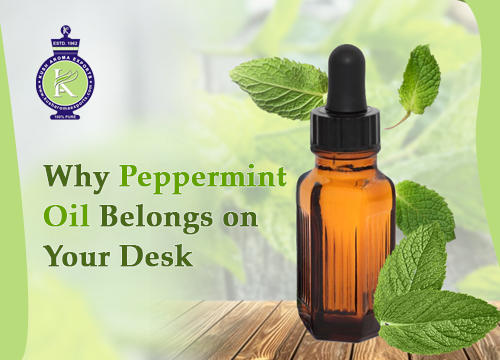
Why Peppermint Oil Belongs on Your Desk?

Among all the digital noise, productivity tricks, and endless to-do lists in today’s world, we sometimes miss out on the easy things that can make so much difference in our everyday work life. One such easy gem is peppermint essential oil. Hidden away in a tiny bottle, this natural gem provides a surprising list of advantages — from enhancing concentration and mental focus to relieving headaches and developing a cooling working atmosphere.

Whether you’re working from a busy office, a home office setup, or a corner in a café, peppermint oil has a place on your desk. Here’s why.

1. Peppermint Oil Increases Focus and Mental Clarity

Aromatherapy is not merely a spa fad. Science has demonstrated that odor can directly influence the brain’s limbic system — the area that handles memory, emotion, and attention. Peppermint oil, for example, includes menthol, which activates the hippocampus and assists in elevating alertness and clarity.

According to a 2013 paper in the International Journal of Neuroscience, a whiff of peppermint oil made test subjects’ cognitive performance and alertness rise. When you feel you’re getting a mental fog during a mid-afternoon slump, a sudden sniff of peppermint can be like nature’s reset button. 

Real-Life Application 

Have a rollerball bottle of peppermint oil diluted on your desk. Rub a little on the temples or nape of the neck prior to a critical meeting or intense work session. Alternatively, put a few drops into a diffuser for background assistance. 

2. It’s a Natural Energy Booster

Rather than grabbing a fourth cup of coffee or an energy drink full of sugar, use peppermint oil. Its refreshing scent can stimulate the central nervous system, providing a gentle, non-caffeinated energy boost. 

Breathing in peppermint oil encourages improved oxygenation to the brain, leaving you more alert and less mentally exhausted. Consider it a breath of fresh air in a bottle — ideal for that mid-afternoon productivity slump. 

Quick Fix: The Tissue Hack 

Add a few drops on a tissue or cotton ball and put it beside your keyboard. The aroma will waft upward slowly, brightening your mood and keeping you focused as the hours drag on. 

3. It Relieves Headaches and Tension

Hours in front of the screen and slouching are a headache for your neck. Rather than reaching for ibuprofen each time, grab for peppermint oil. 

The menthol in peppermint induces a cool sensation that relieves muscles and enhances blood flow, particularly around the neck and temples. Researchers have found peppermint oil as effective as over-the-counter medication in relieving some headaches. 

How to Use It 

Dab a drop of diluted oil on your temples and massage gently. You’ll feel a cool tingling sensation that can provide almost instant relief. Bonus: the scent itself may help reduce feelings of stress and overwhelm. 

4. It Reduces Stress and Anxiety

Let’s be real — deadlines, reminders, and Zoom meetings can test even the most peaceful temperaments. Although lavender is generally the prescription for relaxation, peppermint oil has its own calming effects. 

While peppermint oil is stimulating, it also induces feelings of calm and balance. It is able to center your emotions and ease you out of panic and into problem-solving state more easily. 

Desk Meditation Tip 

Blend peppermint with an earthy oil such as frankincense or a citrus oil such as bergamot for a brief desk-side aromatherapy pause. Simply close your eyes, inhale deeply a few times, and let the natural oils get to work. 

5. It Refreshes the Air (and Your Mind)

Let’s get real: sometimes our workspace can become stale — stale coffee, lingering lunch aromas, or just that recycled office air. Add a few drops of peppermint oil to a diffuser and instantly refresh the environment. 

It not only deodorizes the space but also makes a cleaner, fresher work environment. A clean, nice-smelling office can better your mood and inspire greater concentration and productivity. 

6. It May Relieve Nausea and Digestive Disturbance

Stress can wreak havoc on your stomach, and missing lunch or grabbing it quickly at your desk isn’t helping. Peppermint oil has been used for centuries to calm nausea, indigestion, and bloating. 

Have it at the ready during high-stress times, travel-intensive weeks, or even after a quick lunch. Simply smelling it can settle the stomach; using diluted oil on the tummy may have a similar effect. 

7. It’s Fantastic for DIY Desk Cleaners

Want to stay away from chemical-filled cleaning sprays but keep your desk clean of germs? Peppermint oil’s antibacterial and antiviral qualities make it an excellent addition to homemade natural cleaners. 

Combine it with water and vinegar in a spray bottle and you’ve got a light, effective surface cleaner that is amazing-smelling. It’s perfect for cleaning keyboards, phones, and desktop surfaces. 

8. It Maintains Respiratory Wellness

When allergy season arrives or you’re facing dry office air, peppermint oil is a breath of relief — literally. It works as a decongestant and expectorant, loosening airways and making it simple to breathe. 

If you’re congested, place a drop of the diluted oil on your chest, or inhale it from a steam bowl. It can also be added to a diffuser to purify the air and improve breathing during the day. 

9. It Gets Along with Other Essential Oils

One of the advantages of peppermint oil is that it mixes well with other essential oils. Desire a calming atmosphere? Blend with lavender. Require citrus energy? Mix with lemon or sweet orange. Seek grounding? Combine it with cedarwood. 

Blending your own allows you to adapt your workspace environment to your emotional state and activity. 

10. It’s Small, Inexpensive, and Long-Lasting

Peppermint oil doesn’t take up much space. A small bottle fits easily in your drawer, pencil cup, or laptop bag. It’s also cost-effective — a little goes a long way, and one bottle can last for months depending on use. 

If you’re into simple, multi-purpose desk essentials, peppermint oil checks all the boxes. 

How to Use Peppermint Oil Safely at Your Desk 

– Before diving into daily use, here are a few safety tips:

– Always dilute peppermint oil with a carrier oil (like jojoba or coconut) before applying to skin.

– Avoid contact with eyes and mucous membranes, as menthol can cause irritation.

– Test for allergies or sensitivities by doing a patch test first.

Use in moderation: Peppermint oil is strong. Just a drop or two is usually enough.

If you have a shared or scent-sensitive workspace, use personal inhalers or apply a diluted version to your skin instead of diffusing into common air.

Conclusion: A Little Bottle with Big Benefits 

From improving concentration to easing tension headaches and boosting energy levels, peppermint oil offers a versatile toolkit for enhancing your workday. It’s easy to use, compact, and potent — making it an ideal addition to any desk setup, whether you’re grinding through spreadsheets or crafting your next big idea. 

So the next time you revamp your workspace or pack your remote work bag, don’t forget that tiny bottle of peppermint oil. It may be small, but its impact on your productivity, wellness, and mood is mighty. 

Health Benefits of Peppermint Essential Oil & Its Uses, Peppermint Oil for Easing Sinus Problems, How To Make Homemade DIY Peppermint Lip Balm?, How to make peppermint candles?, How to use Peppermint oil for Nausea?

Essential Oils for Reducing Heartburn and Digestive Discomfort
Essential oils, health care

Essential Oils for Reducing Heartburn and Digestive Discomfort

Heartburn and indigestion are universal ailments that everyone experiences, typically interrupting normal life and inducing much discomfort. While over-the-counter drugs and lifestyle modification are usually advised, interest in herbal remedies, specifically essential oils, is rapidly on the rise. The plant extracts seem to be very effective, but they have been used in traditional medicine for centuries. Do they actually alleviate heartburn and indigestion? Let’s delve into the science, advantages, and best practices of applying essential oils to cure these conditions.

Reason of Heartburn and Digestive Discomfort

You should understand why digestive discomfort and heartburn exist prior to understanding the use of essential oils. Acid reflux or heartburn is the condition where stomach acid flows back into the esophagus and irritates it, leading to a burning sensation in the chest. It could be as a result of food, stress, or reclining for a short time after eating. Digestive uneasiness, by contrast, covers a large variety of complaints, including gas, bloating, cramps, and indigestion which usually result from faulty digestion, intolerances of foods, or dysbiosis.

While conventional medications like antacids or proton pump inhibitors can provide relief, these tend to come with side effects or fail to address the root cause. Consequently, most have turned to other treatment alternatives, and one such alternative is essential oils, which are said to calm digestion and suppress inflammation.

How Essential Oils Work for Digestive Health?

The essential oils are derived from plants and have strong substances that can potentially affect the body in some way or another. With proper application, they can:

Fight inflammation: Some of the essential oils possess anti-inflammatory constituents that are capable of soothing the digestive system.

Induce relaxation: Digestive diseases often result from stress, and some oils are known to soothe the nervous system.

Stimulate digestion: Some oils stimulate the release of digestive enzymes to aid in food breakdown.

Relieve spasms: Antispasmodic oils will relax spasms and discomfort in the intestines and stomach.

Then again, bear in mind that essential oils are not a panacea. They have to be used together with modification of diet, reduction of stress, and adequate hydration.

Top Essential Oils for Heartburn and Digestive Discomfort 

Here are some of the most effective essential oils for addressing heartburn and digestive issues:

  1. Peppermint Oil

Peppermint oil is among the most used essential oils for gastrointestinal health. Its active ingredient, menthol, possesses antispasmodic activity that can relax the muscles of the digestive tract, thus alleviating cramping and bloating. It also facilitates stimulation of bile secretion, which assists in fat digestion. 

Yet, peppermint oil must be used carefully by individuals with acid reflux, as it can unwind the lower esophageal sphincter (LES), which would increase symptoms in others. One should begin with a small amount and see how your body reacts.

  1. Ginger Oil

Ginger has been used for centuries to treat nausea, indigestion, and stomach discomfort. Ginger oil, extracted from the ginger root, has compounds such as gingerol and shogaol, which act to inhibit inflammation and stimulate digestion. It is especially effective in treating nausea and motion sickness.

  1. Lemon Oil

Lemon oil is alkalizing and used to neutralize stomach acid and heartburn. Lemon oil also aids the liver in digestion and detoxification. Simply place a drop of lemon oil in a glass of water (food-grade) to get immediate relief.

  1. Fennel Oil

Fennel oil is a long-standing remedy for indigestion, bloating, and gas. It has anethole, a substance that calms the digestive system and inhibits spasms. Fennel oil also induces gastric juice secretion, facilitating breakdown of food.

  1. Chamomile Oil

Chamomile is famous for its soothing effect, and therefore is a great option for stress-related digestive disorder. It also possesses anti-inflammatory activity that may calm down the mucous membrane of the stomach and intestines to provide relief from pain.

  1. Lavender Oil

Although lavender oil is best recognized for its calming and sleep-inducing effects, it also relieves digestive discomfort. By easing stress and anxiety, it indirectly causes better digestion. It also possesses weak antispasmodic properties that can soothe stomach cramps.

How to Use Essential Oils Safely

Essential oils are very strong and must be handled with caution. Here are some safe but effective methods to incorporate them in your routine:

Aromatherapy: Put a few drops of the preferred oil in a diffuser and inhale the steam. It is especially effective for gastrointestinal problems caused by stress.

Topical Use: Mix the essential oil with a carrier oil (such as coconut or jojoba oil) and apply to your abdomen. This will soothe cramps and bloating.

Internal Use: Use food-grade essential oils internally, but only with the help of a healthcare provider initially. Adding one drop of lemon or ginger oil to water will alleviate heartburn instantly.

Inhalation: Put one drop of oil on a cotton ball or tissue and breathe in. This is a great portable remedy.

Precautions and Considerations

While essential oils can be beneficial, they are not suitable for everyone. Keep the following in mind:

Never apply undiluted essential oils directly to the skin, as they can cause irritation.

Patch test: Always perform a patch test before using a new oil topically.

Consult a professional: If you’re pregnant, nursing, or have a medical condition, consult a healthcare provider before using essential oils.

Quality matters: Choose high-quality, pure essential oils from reputable brands to ensure safety and efficacy.

A Natural Approach to Digestive Health 

While essential oils can provide relief, they work best when combined with other healthy habits. Here are some additional tips for managing heartburn and digestive discomfort:

Eat smaller meals: Large meals can overwhelm the digestive system, leading to acid reflux and bloating.

Avoid trigger foods: Spicy, fatty, and acidic foods are common culprits for heartburn.

Stay upright after eating: Lying down immediately after a meal can increase the risk of acid reflux. 

Manage stress: Practice relaxation techniques like yoga, meditation, or deep breathing to support gut health.

Stay hydrated: Drinking enough water is essential for proper digestion.

Conclusion 

If you’re looking for a natural way to soothe heartburn and digestive discomfort, essential oils can be a valuable addition to your wellness toolkit. From peppermint to ginger, these plant-based remedies offer a gentle yet effective approach to supporting digestive health.

Essential Oil can help ease stress-related digestive issues while promoting overall relaxation. Whether used in a diffuser or diluted for topical application, this exquisite oil is a must-have for anyone looking to enhance their well-being naturally.

Essential Oils for Gamers: Boosting Focus, Relaxation, and Performance 
Essential oils, Essential Oils Benefits, health care

Essential Oils for Gamers: Boosting Focus, Relaxation, and Performance 

Gaming has evolved far beyond a mere hobby—it’s now a way of life. Whether you’re an esports pro or a casual weekend warrior, the demands of long gaming sessions—quick reflexes, sustained focus, and mental clarity—are real. But did you know that essential oils can help you level up your gaming experience? These natural extracts, derived from plants, can provide both mental and physical benefits that every gamer needs.

This blog will explore the benefits of essential oils for gamers, the best oils to use, and how to incorporate them into your gaming setup. Get ready to optimize your focus, reduce stress, and enhance your gaming performance naturally.

Why Gamers Should Use Essential Oils?

Gaming requires sharp focus, mental stamina, and sometimes, a way to unwind after an intense session. Essential oils can:

Enhance Focus

Certain oils stimulate cognitive function, helping you stay alert during long gaming sessions.

Promote Relaxation

When frustration from losing a match kicks in, essential oils can calm your mind and body.

Boost Energy

Fighting off fatigue during late-night raids? Energizing oils can keep you awake and ready.

Improve Physical Comfort

Prolonged gaming can lead to neck pain, backaches, and even eye strain. Essential oils with anti-inflammatory properties can alleviate physical discomfort.

Top Essential Oils for Gamers 

Here’s a list of the best essential oils for enhancing your gaming experience:

Peppermint Oil: The Focus Enhancer

Benefits: Peppermint oil is known for its ability to increase concentration and mental clarity. Its invigorating scent can help you stay sharp, especially during strategy-heavy games.

How to Use: Diffuse it in your gaming room or dab a small amount on your wrists for an instant energy boost.

Lemon Oil: The Mood Booster

Benefits: The refreshing scent of lemon oil uplifts your mood and reduces stress. It’s perfect for countering the frustration of a tough loss.

How to Use: Add a few drops to a diffuser or mix with water as a room spray.

Lavender Oil: The Stress Reliever

Benefits: Known for its calming properties, lavender oil helps ease anxiety and promotes relaxation. It’s a must-have for gamers dealing with high-pressure tournaments.

How to Use: Apply diluted lavender oil to your temples or use it in a nighttime diffuser to wind down.

Rosemary Oil: The Memory Booster

Benefits: Rosemary oil enhances memory retention and cognitive performance key traits for mastering complex gameplay.

How to Use: Diffuse it before gaming or add a drop to a carrier oil and massage it on your neck.

Eucalyptus Oil: The Physical Soother

Benefits: Eucalyptus oil alleviates muscle tension and soothes aches from prolonged sitting. Its cooling effect is also refreshing.

How to Use: Mix it with a carrier oil for a relaxing massage or use it in a cooling spray.

Cedarwood Oil: The Grounding Ally

Benefits: Cedarwood’s earthy aroma promotes relaxation and helps you stay grounded during intense gaming moments.

How to Use: Place it in an essential oil diffuser to fill your space with a soothing aroma that promotes tranquility.

Bergamot Oil: The Anti-Stress Hero

Benefits: Bergamot oil is both uplifting and calming, making it ideal for reducing gaming-related stress.

How to Use: Combine a few drops with a carrier oil for a calming massage, or diffuse it to create a soothing ambiance that helps melt away stress.

How to Use Essential Oils While Gaming

Integrating essential oils into your gaming routine is easy. Here are some practical tips:

Diffusers for Ambiance

Use an essential oil diffuser to disperse the fragrance in your gaming space. Choose oils based on your needs peppermint for focus or lavender for relaxation.

Personal Inhalers 

Create a portable aromatherapy inhaler. These are small, discreet, and perfect for a quick pick-me-up during breaks.

Topical Application

Mix essential oils with a carrier oil (like coconut or jojoba oil) and apply to pressure points such as your temples, wrists, or neck.

Room Sprays 

Blend essential oils with water and a little witch hazel to make a refreshing room spray.

Gaming Chair Mist 

Add a few drops of your favorite oil to a spray bottle and lightly mist your gaming chair for an immersive sensory experience.

Bath Soaks 

After a long gaming session, unwind with a relaxing bath infused with lavender or eucalyptus oil.

Safety Tips for Using Essential Oils

  • Dilute Properly: Essential oils are potent. Always mix essential oils with a carrier oil to ensure safe application on your skin.
  • Patch Test: Test for allergies by applying a small amount to your skin and waiting 24 hours.
  • Use Quality Oils: Choose 100% pure, therapeutic-grade oils from reputable brands.
  • Avoid Eye Contact: Keep oils away from your eyes and other sensitive areas.
  • Ventilation: Ensure your gaming room is well-ventilated when using diffusers.

Enhancing Your Gaming Setup with Essential Oils 

Transform your gaming space into a haven of focus and relaxation. Here’s how:

  • Mood Lighting: Pair your diffuser with LED lights that sync with your gaming rig for a visually immersive experience. 
  • Customized Scents: Mix oils to create your signature gaming scent—combine peppermint for focus and cedarwood for grounding. 
  • Portable Aromatherapy: Use personal inhalers or roller blends for gaming on the go.

Conclusion: Level Up with Essential Oils

Gaming is more than just a hobby; it’s a passion that requires both mental and physical endurance. By integrating essential oils into your routine, you can boost your focus, relax your mind, and even enhance your overall gaming performance. Whether you’re battling enemies in an intense FPS or exploring open worlds, these natural remedies can be your secret weapon. 

So, what are you waiting for? Upgrade your gaming experience with the power of essential oils and take your skills to the next level. And don’t forget, every gamer needs a balanced approach—hydrate, stretch, and remember to take breaks!

Essential Oils
Essential oils, health care

How to Make a Natural Mosquito Repellent with Essential Oils

Mosquitoes are more than just an annoyance—they can carry diseases and disrupt outdoor activities. While store-bought repellents can be effective, many are filled with chemicals like DEET, which may have harmful effects on your health and the environment. Thankfully, nature has a solution in the form of essential oils. Creating your own natural mosquito repellent using essential oils is simple, effective, and allows you to avoid harsh chemicals while enjoying the outdoors without the constant swatting.

In this blog, we’ll walk you through everything you need to know about making a natural mosquito repellent using essential oils, including the most effective oils, how to mix them, and tips for getting the best results.

Why Use Essential Oils as Mosquito Repellent?

Essential oils have long been used for their various benefits, including insect-repelling properties. Unlike chemical-based repellents, essential oils are derived from plants, making them a natural and eco-friendly option. Additionally, many essential oils offer other benefits, such as soothing the skin, calming the mind, and even boosting your immune system.

Here are some reasons to opt for essential oils as a natural mosquito repellent:

  • Non-toxic and eco-friendly: Essential oils don’t harm the environment or your health like synthetic chemicals do. 
  • Safe for children and pets: Unlike some chemical repellents, many essential oils are safe for young children and pets when used properly. 
  • Pleasant aroma: Essential oils leave a refreshing scent, unlike the strong chemical smell of traditional repellents. 
  • Multi-purpose: Many essential oils provide additional benefits, such as reducing stress or promoting relaxation.

The Best Essential Oils for Mosquito Repellent 

Not all essential oils are created equal when it comes to repelling mosquitoes. Some oils contain compounds that mosquitoes find particularly offensive. Here are some of the best essential oils for keeping those pesky bugs away: 

Lemon Eucalyptus Oil: This oil is one of the most effective natural repellents. Studies have shown that lemon eucalyptus oil can provide protection similar to DEET.

Lavender Oil: Known for its calming effects, lavender oil also repels mosquitoes due to its strong scent. Plus, it’s gentle on the skin and can reduce inflammation caused by bites.

Peppermint Oil: Peppermint oil is highly effective at repelling mosquitoes, and its cooling effect can also help soothe any bites that occur.

Tea Tree Oil: This oil has antimicrobial properties and works well at repelling insects, including mosquitoes.

Citronella Oil: A common ingredient in many commercial insect repellents, citronella oil is known for its strong, lemon-like scent that mosquitoes hate.

Geranium Oil: Geranium oil is another strong repellent that also has antibacterial and antifungal properties, making it great for keeping bugs away and protecting the skin.

Cedarwood Oil: This oil not only repels mosquitoes but also ticks and other pests. Its woody scent is also refreshing.

Read More: Utilizing essential from prevention from Scorpion

How to Make a Natural Mosquito Repellent Spray 

Now that we know which essential oils are best for repelling mosquitoes, let’s dive into creating your own natural mosquito repellent spray. This DIY recipe is easy to make, safe to use, and effective.

Ingredients:

  • 10 drops Lemon Eucalyptus oil
  • 10 drops Lavender oil
  • 5 drops Peppermint oil
  • 5 drops Tea Tree oil
  • 1 tablespoon Witch Hazel (acts as a natural preservative and skin toner)
  • 2 tablespoons Distilled Water (acts as a base for the spray)
  • 1 tablespoon Carrier oil (such as coconut oil, almond oil, or jojoba oil to dilute the essential oils)
  • Small spray bottle (preferably glass, as some essential oils can degrade plastic)

Instructions:

  • Start by adding the witch hazel to your spray bottle.
  • Add the distilled water to dilute the solution.
  • Next, drop in the essential oils lemon eucalyptus, lavender, peppermint, and tea tree.
  • Add the carrier oil to help dilute the essential oils and prevent skin irritation.
  • Close the bottle and give it a good shake to mix all the ingredients together.
  • Your natural mosquito repellent spray is now ready to use! Simply shake the bottle before each use and apply it to exposed areas of your skin whenever you head outdoors.

Tips for Using Your Natural Mosquito Repellent 

Test on a small patch of skin: Before applying the repellent all over your body, do a quick patch test on a small area to ensure your skin doesn’t react negatively to the essential oils.

Reapply as needed: Natural repellents don’t last as long as chemical ones, so you may need to reapply the spray every 2-3 hours, especially if you’re sweating or swimming. 

Avoid sensitive areas: Be sure to avoid getting the spray near your eyes, mouth, or any broken skin, as essential oils can be irritating in these areas.

Store in a cool, dark place: Essential oils can degrade when exposed to sunlight or heat, so store your repellent in a cool, dark place to keep it effective.

Why Choose a Natural Mosquito Repellent?

While chemical-based mosquito repellents may be more convenient, they come with a host of potential health risks. DEET, one of the most common active ingredients in mosquito repellents, has been linked to skin irritation and, in rare cases, more severe health problems. For those with young children, sensitive skin, or simply a desire to use fewer chemicals, a natural mosquito repellent is an excellent alternative.

Natural repellents are effective, eco-friendly, and versatile. They also offer additional benefits, like soothing irritated skin or providing a calming aroma. Plus, you have complete control over the ingredients, ensuring that you’re using a product that’s safe for you and your family. 

Conclusion 

Creating your own natural mosquito repellent with essential oils is a simple and effective way to keep mosquitoes at bay without relying on harmful chemicals. Not only are essential oils safer for your health and the environment, but they also smell wonderful and offer additional benefits for your skin and well-being. Whether you’re spending time in the backyard, going for a hike, or enjoying a summer evening outside, your DIY mosquito repellent will be your go-to.

For premium, high-quality essential oils, check out Kush Aroma Exports, your trusted source for all-natural products. Make your outdoor experience not only safer but also refreshing and fragrant.

Natural Relief: Essential Oils for Knee Joint Pain 
Essential oils, health care

Natural Relief: Essential Oils for Knee Joint Pain 

Knee pain can be a real drag. It disrupts your mobility, limits your activities, and can even leave you feeling frustrated. While there are various conventional treatments available, some people prefer a more natural approach. Here’s where essential oils come in.

Essential oils are concentrated liquids extracted from plants that offer a range of therapeutic benefits. While research on their effectiveness for knee pain is ongoing, some studies suggest they may provide relief.

How Essential Oils May Help Knee Pain

Several properties of essential oils make them potentially helpful for knee pain:

  • Anti-inflammatory: Inflammation is a major contributor to knee pain, especially in conditions like arthritis. Some essential oils, like ginger and eucalyptus, possess anti-inflammatory properties that can help reduce swelling and discomfort.
  • Pain-relieving: Certain essential oils have analgesic properties, meaning they can help numb pain. Peppermint oil, for instance, contains menthol, a natural pain reliever with a cooling effect.
  • Improved circulation: Essential oils like rosemary can stimulate blood flow, which may help deliver nutrients to the affected area and promote healing.
  • Relaxation: Stress and anxiety can worsen pain perception. Essential oils known for their calming properties, like lavender, can help you relax and manage stress, potentially reducing the perceived intensity of knee pain.

Important Considerations Before Using Essential Oils

Before diving into the world of essential oils for knee pain, there are some important things to keep in mind:

  • Safety: Essential oils are potent and can be irritating to the skin if used undiluted. Always dilute them in a carrier oil like coconut oil, jojoba oil, or sweet almond oil before topical application.
  • Individual Sensitivity: Some people may experience allergic reactions to certain essential oils. It’s essential to perform a patch test before using any new oil. Apply a diluted amount on your inner forearm and wait 24 hours to see if there’s any redness or irritation.
  • Pregnancy and Medical Conditions: Pregnant and breastfeeding women, as well as individuals with certain medical conditions, should consult their doctor before using essential oils.
  • Not a Replacement for Medical Care: Essential oils should be used as a complementary therapy, not a replacement for medical advice or treatment. If you experience persistent knee pain, consult your doctor for a proper diagnosis and treatment plan.

Popular Essential Oils for Knee Pain

Now, let’s explore some of the most popular essential oils for knee pain:

Peppermint Oil This invigorating oil contains menthol, which offers a cooling sensation and pain relief. It can also help improve circulation around the knee joint.

Ginger Oil:  Ginger boasts anti-inflammatory properties that can help reduce swelling and pain associated with conditions like arthritis. It’s also known for its warming effect, offering additional comfort.

Lavender Oil:  This calming oil promotes relaxation and reduces stress, which can indirectly improve pain perception. Lavender oil may also be helpful for managing sleep disturbances that can accompany knee pain.

Eucalyptus Oil:  Known for its anti-inflammatory properties, eucalyptus oil can help reduce swelling and discomfort in the knee joint. 

Rosemary Oil:  This stimulating oil may improve circulation, bringing fresh blood flow to the affected area.

How to Use Essential Oils for Knee Pain

There are several ways to use essential oils for knee pain relief:

  • Massage: Dilute chosen essential oil(s) in a carrier oil (1-2 drops per teaspoon of carrier oil). Gently massage the diluted blend into the affected area for a few minutes. 
  • Warm Compress: Combine a few drops of essential oil with hot water in a bowl. Soak a washcloth in the solution, wring it out, and apply it to your knee for 10-15 minutes. 
  • Diffuser: Add a few drops of essential oil (like lavender for relaxation) to a diffuser to create a calming atmosphere.

Additional Tips

  • Frequency: For best results, use essential oils 2-3 times daily.
  • Consistency: It may take a few days or weeks to experience noticeable relief. Be consistent with your application.
  • Heat and Ice Therapy: Consider alternating essential oil applications with hot or cold compresses for additional pain relief.
  • Rest: Allow your knee time to heal. Avoid activities that aggravate the pain.

Enhancing Your Essential Oil Experience

Here are some additional ways to enhance your essential oil experience for knee pain relief:

Combine Essential Oils: You can create synergy by blending different essential oils with complementary properties. For example, combine calming lavender oil with anti-inflammatory ginger oil for a well-rounded approach.

Meditation and Mindfulness: Pair your essential oil application with meditation or mindfulness practices to further reduce stress and promote relaxation, potentially improving pain management. 

Healthy Lifestyle: Maintaining a healthy weight, eating a balanced diet, and engaging in regular exercise can all contribute to improved knee health and potentially reduce pain.

Conclusion

Knee pain can be a frustrating limitation, but exploring natural remedies like essential oils offers a potential path to relief. By understanding the various properties of essential oils and following safe application practices, you can incorporate them into your pain management routine. Remember, consistency is key, and essential oils should be used alongside a healthy lifestyle and, when necessary, conventional treatment plans recommended by your doctor.

Ready to explore the world of essential oils for knee pain? Check out the range of Khush Aroma Exports, we are the best essential oil manufacturer.

Top essential oils during Summers
Essential oils, health care

Top essential oils during Summers

Summers brings long, sunny days, vacations, and opportunities for outdoor fun. But with the heat comes challenges – sunburn, bug bites, and that general feeling of sluggishness. This is where essential oils can come to the rescue! These concentrated plant extracts offer a natural way to address many common summer woes and create a more enjoyable season.

Here’s a guide to the top essential oils for a refreshing summer, along with their benefits and tips on how to use them safely and effectively:

Lavender: The All-Around Soothing Oil

Lavender is a true all-purpose essential oil, and it shines in the summer months. Its calming properties help ease anxiety and promote relaxation, perfect for unwinding after a hot day. Lavender is also known for its:

Soothing sunburns: Dilute a few drops in carrier oil (like jojoba or coconut) and apply topically for relief.

Promoting restful sleep: Diffuse lavender oil at bedtime to create a calming atmosphere.

Combating bug bites: Its anti-inflammatory properties can help reduce itching and swelling from bites.

Peppermint: A Cooling and Uplifting Experience

Peppermint oil is a breath of fresh air, literally! Its invigorating aroma is perfect for beating the summer heat and boosting energy levels.  Here’s how peppermint oil can be your summer companion:

Cooling sensation: Apply a diluted solution (1 drop in carrier oil) to your temples or pulse points for a refreshing feeling.

Aiding digestion: Diffuse peppermint oil to ease nausea or indigestion, common issues in hot weather.

Improving focus: Inhale peppermint oil or diffuse it while studying or working to enhance concentration.

Citrus Oils: Sunshine in a Bottle

Lemon, orange, grapefruit, and other citrus essential oils capture the essence of summer with their uplifting and energizing scents.These bright oils offer a range of benefits:

Mood booster: Diffuse citrus oils to combat summer sluggishness and create a cheerful atmosphere.

Natural air freshener: Add a few drops to a diffuser or homemade cleaning spray for a refreshing scent.

Skin benefits: Some citrus oils (like lemon) have astringent properties, making them suitable for oily skin (in diluted form).

Important Note: Citrus oils can be photosensitive. Avoid applying them to skin before sun exposure.

Tea Tree Oil: Your Skin’s Summer Savior

Tea tree oil is a natural antiseptic and antifungal powerhouse, making it ideal for addressing common summer skin concerns:

Acne control: Tea tree oil’s antibacterial properties help fight acne-causing bacteria. Apply a diluted solution directly to blemishes (spot treatment).

Minor cuts and scrapes: Tea tree oil’s antiseptic properties can help prevent infection in minor wounds.

Athlete’s foot and fungal infections: Tea tree oil can be diluted and used topically to combat fungal issues that thrive in warm, humid weather.

Eucalyptus Oil: Clearing the Air

Eucalyptus oil has a powerful, invigorating aroma with decongestant properties, making it a great choice for:

Colds and congestion: Diffuse eucalyptus oil to help clear stuffy sinuses and promote easier breathing.

Muscle aches: Eucalyptus oil’s anti-inflammatory properties can help soothe muscle soreness after a day of outdoor activity. 

Natural insect repellent: Some studies suggest eucalyptus oil may be a mild insect repellent. 

Geranium Oil: Balancing and Uplifting

Geranium oil offers a beautiful floral aroma with a surprising range of benefits:

Mood balancing: Geranium oil is known for its mood-lifting properties, helping to combat summer blues. 

Soothing sunburns: Diluted geranium oil can be applied topically to soothe sunburn discomfort. 

Skin benefits: Geranium oil can help balance oily skin and reduce the appearance of wrinkles (when diluted and used topically).

Bergamot Oil: Uplifting and Relaxing

Bergamot oil offers a unique citrusy aroma with a calming undertone. It’s a great choice for:

Reducing stress and anxiety: Bergamot oil’s calming properties can help ease tension and promote relaxation.

Uplifting mood: The citrusy notes in bergamot oil offer a mood-boosting effect.

Skin benefits: Bergamot oil has mild antiseptic properties and can help balance oily skin (when diluted and used topically).

Important Note:  Bergamot oil can be photosensitive. Avoid applying it to skin before sun exposure.

Chamomile Oil (Roman or German): Tranquility in a Bottle

Chamomile oil comes in two varieties – Roman and German. Both offer calming properties perfect for unwinding after a long summer day. Here’s how chamomile oil can enhance your summer:

Promoting relaxation: Diffuse chamomile oil in the evening to create a calming atmosphere and encourage restful sleep.

Soothing anxiety: Inhale chamomile oil or apply a diluted solution (1 drop in carrier oil) to your temples for stress relief.

Promoting wound healing: Chamomile oil’s anti-inflammatory properties can aid in the healing of minor cuts and scrapes.

Safe and Effective Use of Essential Oils

Essential oils carry strong potency and require careful handling. Here are some guidelines to ensure their safe and effective use:

Dilution is key: Essential oils are highly concentrated and can irritate the skin if applied undiluted. Always dilute them with a carrier oil like jojoba, coconut, or sweet almond oil before topical application. A recommended starting ratio is 1 part essential oil to 10 parts carrier oil.

Patch test: Before applying any new essential oil to your skin, do a patch test on a small area of your inner forearm. Apply a diluted solution and wait 24 hours to check for any irritation.

Internal use: Essential oils are not meant for internal consumption.

Pregnancy and children: Consult a healthcare professional before using essential oils if you are pregnant, breastfeeding, or have young children.

Sun sensitivity: Some essential oils (citrus and bergamot) are photosensitive and can increase sun sensitivity. Avoid applying them to skin before sun exposure.

Conclusion

Harness the power of essential oils to enrich your summer adventures naturally and flexibly. From promoting relaxation and boosting energy to addressing skin concerns and creating a refreshing atmosphere, these potent plant extracts can be your allies for a healthy and enjoyable summer. Remember to use essential oils responsibly with dilution and consult a healthcare professional if you have any concerns.

Embrace the Power of Essential Oils this Summer!

Ready to harness the power of essential oils for a more refreshing summer? Look no further than Kush aroma Export! We offer a wide range of 100% pure, therapeutic-grade essential oils, expertly sourced from around the world.